


Fuel Additives FAQs
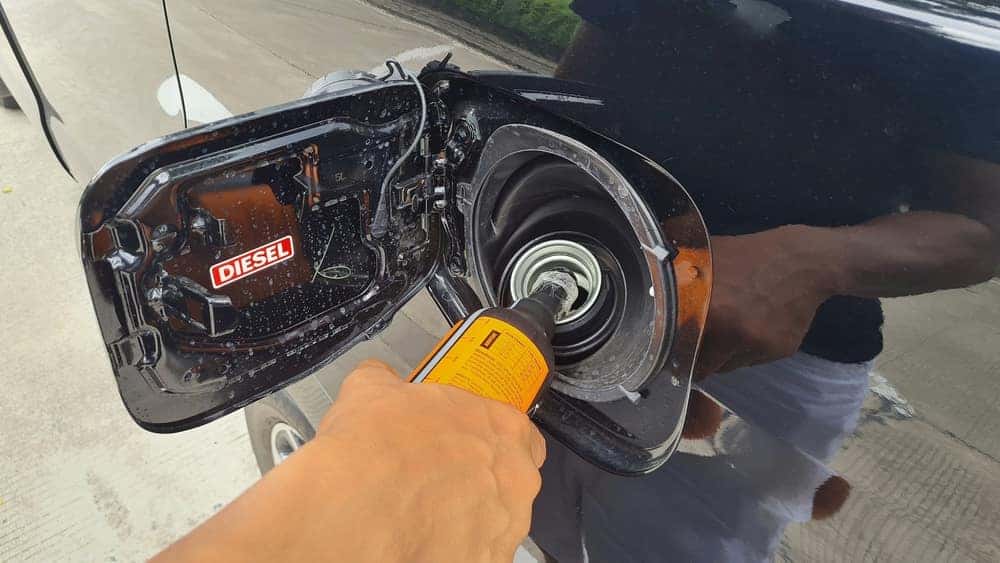
Fuel additives can help your vehicle’s engine perform better if you use them properly. There are some misconceptions about these products, particularly if you think your car will instantly see improved results by adding these chemicals to your tank.
Thompson Sales answers some frequently asked questions about fuel additives in today’s educational blog post.
What are fuel additives?
Fuel additives for vehicles are substances specifically formulated to prevent corrosion or increase the octane rating of gasoline or diesel for internal combustion engines.
What do fuel additives do?
The goal of fuel additives is to improve the engine performance of your vehicle.
Are fuel additives worth the extra costs?
Yes, if you use them properly and understand what benefits they bring.
Related Post: Car Maintenance Tip: Do Fuel Additives Really Work?
How often should I use a fuel additive in my gas tank?
For fuel injector cleaners, manufacturers recommend once every 3,000 miles. However, some brands may go up to 10,000 miles between fuel additives because you have a newer car or use high-quality gasoline.
What types of fuel additives are there?
There are four main types of fuel additives on the market:
Fuel injector cleaners are designed to keep carbon deposits away from the injectors.
Fuel system cleaners represent the most popular fuel additives you’ll see on retail shelves.
Fuel performance enhancers, which claim to improve gas mileage.
Fuel stabilizers keep the gasoline stable when storing your vehicle for long periods.
Can fuel additives damage your vehicle’s engine?
Yes, if you use them improperly or use them too much. You must follow your vehicle owner’s manual and then the instructions on the fuel additive container for best results.
What chemicals are in fuel additives?
You might find several types of chemicals in fuel additives.
- Butyl rubber provides a detergent for diesel fuel injectors.
- Ferox and ferrous picrate both work to improve fuel economy.
- Tetranitromethane enhances the octane rating of fuels.
- Ether and other hydrocarbons help engines to start in hard-to-start conditions.
- Antiknock agents to keep your engine from knocking.
- Lead scavengers are designed to keep the small amounts of lead found in gasoline out of your fuel system.
Various types of fuel additives are available with these types of detergents.
Related Post: Our Car Maintenance Pros Answer: What’s in Your Car’s Gasoline?
Why do I need to use fuel additives for my vehicle?
Fuel additives are particularly helpful if you drive a lot, such as commuting back and forth to work every day. Stop-and-go traffic can wreak havoc on your fuel economy and fuel injectors.
Heavy-duty engines on trucks, farm equipment, and delivery vehicles can benefit from fuel additives because these vehicles run a lot. Not only do these vehicles run regularly, but they can also put on a lot of miles as they travel.
Fleet owners can also benefit from fuel additives because they need to save money on fuel efficiency. The more vehicles your company owns, the more fuel additives can help your bottom line, especially if you buy them in bulk.
Older vehicles that don’t have the same fuel efficiency as they used to can benefit from fuel additives because they offer an easy way to keep gunk out of your fuel system.
How do fuel additives work to reduce problems in your fuel system?
Fuel additives remove deposits that can accumulate over time and clog your fuel system. Clogs in the fuel system can happen within your gas tank, along fuel lines, and in the fuel injectors. When gasoline flows more easily, it atomizes more readily in the combustion chamber for the pistons to work. Valves along the fuel line won’t have heavy metal deposits like lead or aluminum. Some fuel additives also keep your fuel tank clean to prevent small bits of metal from entering your fuel line.
What are the results of fuel additives in your gas tank?
Fuel additives can stop sluggishness in your engines. They can also prevent gas from freezing in your gas line. Octane boosters can enhance a high-performance engine. Anti-gel agents keep diesel fuel running smoothly in adverse conditions. Some fuel additives are meant for frigid temperatures or high-moisture areas.
A majority of the fuel additives on store shelves work best for your everyday vehicle that takes you back and forth to work, school, and shopping.
Where can I get quality car repairs in Springfield, Missouri?
Thompson Sales on East Independence. Make an appointment with our service center today and we’ll take care of you.
0 comment(s) so far on Fuel Additives FAQs