


Vehicle Tune-Up FAQs

Thompson Sales wants you to get the most out of your vehicle, which is why we offer certified service technicians to help you keep your car in top condition.
Today, we answer frequently asked questions about getting a vehicle tune-up.
What is the purpose of a vehicle tune-up?
A vehicle tune-up is designed to keep your car, truck, or SUV running in top condition so you can extend the life of your vehicle.
Why does it make sense to get a vehicle tune-up?
A certified technician can identify everyday things that can cause your car to run less efficiently before they become costly repairs.

What does a vehicle tune-up consist of?
A certified technician examines:
- Wear-and-tear parts like brakes, belts, hoses, wires, filters, and coolant.
- Spark plugs and wires
- Battery operation
- Distributor cap
- Rotor
- Fuel filter
- Oxygen sensor
- PCV valve
- Coolant level check
- Transmission fluid check
- Oil level check
What can a certified technician replace during a vehicle tune-up?
- Spark plugs, frayed electrical wires, and other worn ignition components.
- New filters, such as an engine air filter, cabin air filter, or fuel filter.
- Belts and hoses, like the serpentine belt, timing belt, and belt tensioner.
- Vehicle fluids such as motor oil, coolant, brake fluid, transmission fluid, and power steering fluid.

Why are vehicle tune-ups necessary?
You can save money on more expensive repairs over the life of your vehicle. Your car can also last longer.
This is because technicians identify potential problems while also keeping your vehicle in top shape and running as close to factory specifications as possible.
How often should I get a tune-up for my vehicle?
Every 25,000 to 100,000 miles. This depends on the recommendations of your car’s owner manual. We recommend having an annual tune-up to keep your car running in top shape.

What are some signs that my vehicle needs a tune-up?
Pay attention to these signs, any of which may indicate your vehicle needs a tune-up:
- Decreased fuel mileage. Unless you track your fuel consumption or your vehicle does it for you with sensors and the computer, you may not notice a drop in fuel mileage. Pay attention to how often you fill up your tank and how far you can drive on one tank of gasoline. Decreased fuel mileage can come from any number of sources, from misaligned wheels and underinflated tires to oxygen sensor malfunctions and spark plug misfirings.
- New noises you didn’t hear before. Did you notice a new noise when you drove this morning? That noise could be harmless, or it could be a sign your car needs a tune-up. Listen for thumping, screeching, or grinding noises. These may indicate loose parts, worn parts, low fluid levels, or brakes that need repair or replacement.
- Diminished braking capacity. Does it take a longer distance to bring your vehicle to a stop? It could be a problem with the brakes, the brake cylinder, or the brake fluid. A certified mechanic can help identify issues with the brakes before they become a major problem.
- Engine doesn’t start. Several things can cause this, including a lack of fuel getting to the cylinders, a faulty starter, a bad battery, or a faulty spark plug. A regular tune-up can identify many of these difficulties before they turn into a major headache.
- Warning lights appear. Don’t ignore warning lights on your dashboard, whether it’s the check engine light or a battery light. A certified technician can identify the problem and fix it.
- Stalling. Your vehicle might stall from one of several problems, including a lack of fuel getting to the engine, bad filters, faulty spark plugs, or a host of other difficulties. Again, a certified technician can delve into your vehicle to see what’s going on.
- Slow acceleration. Have you noticed that your car accelerates more slowly than it used to? This might be a problem with the cylinders, spark plugs, or something in the fuel.
- Misfiring engine. You can tell your engine is misfiring by a shaking sensation and a noticeable loss of power. This may come from an engine cylinder that can’t get power to your car. This may come from a faulty electrical connection or a misfiring spark plug. A vehicle tune-up can detect this problem early.
- Car overheats. Is your car running hotter than normal? Does it overheat often? This could be due to a broken thermostat, low coolant levels, or a malfunctioning radiator or water pump. Get your car serviced right away if it overheats.
- Vehicle pulls to one side. You’re holding the steering wheel straight, and you’re driving on a straight stretch of road. Then, your car starts to move to the left or right even though you’re not turning the wheel. This could indicate misaligned wheels, uneven inflation in the tires, wear on the steering or suspension, or unevenly worn brakes.
- Vibrations or shaking. Do you notice some vibrations or shaking that wasn’t there before? This might be due to an uneven surface on the road or something internal with your car. You might feel vibrations in your feet, through the steering wheel, or in the whole car.
How long does a vehicle tune-up take?
Anywhere from two to four hours. The time depends on the make, model, and age of the vehicle. Newer cars with a lot of sensors may need less time for a tune-up compared to older vehicles.
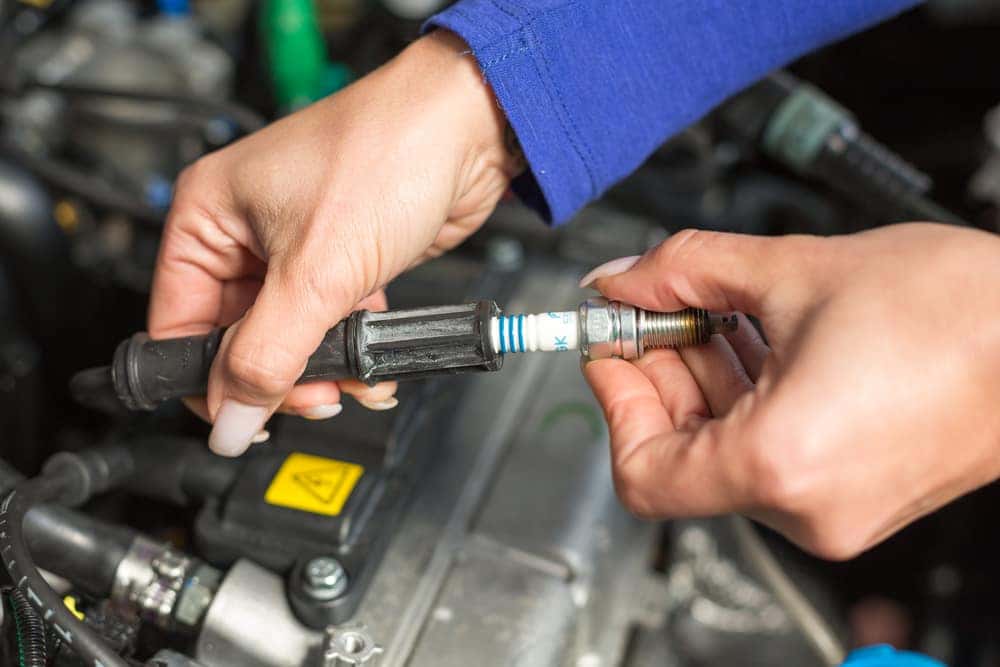
What is a basic vehicle tune-up?
Most service shops define a basic tune-up as fluids, filters, and plugs. This means examining the oil, coolant, transmission, wiper, and power steering as well as air filters, the fuel filter, and the oil filter as well as the spark plugs. That’s because problems with these things are the most common causes of larger problems later.
How much does a vehicle tune-up cost?
Anywhere from $40 to $150 for a minimal tune-up. Specialized tune-ups may range from $200 to $800, which depends on the make, model, year, and exotic nature of the vehicle.
Where can I get a vehicle tune-up in Springfield, Missouri?
Make an appointment with the certified technicians at Thompson Sales in Springfield, Missouri. We can perform a tune-up on any make or model of vehicle.
0 comment(s) so far on Vehicle Tune-Up FAQs