


5 Winter Car Maintenance Tips for Springfield Drivers
If you’ve lived in the Ozarks long enough, you know that our winters are anything but predictable. We often swing from sunny, mild afternoons to freezing rain and ice storms overnight, creating a freeze-thaw cycle that is particularly tough on vehicles. That’s why winter car maintenance is critical to keep your car reliable through every twist of the forecast.
At Thompson Sales, we want to help you stay safe on the roads this season. Whether you are commuting down Glenstone or heading out on a rural highway, following these steps for winter vehicle maintenance in Missouri will give you peace of mind when the temperature drops.
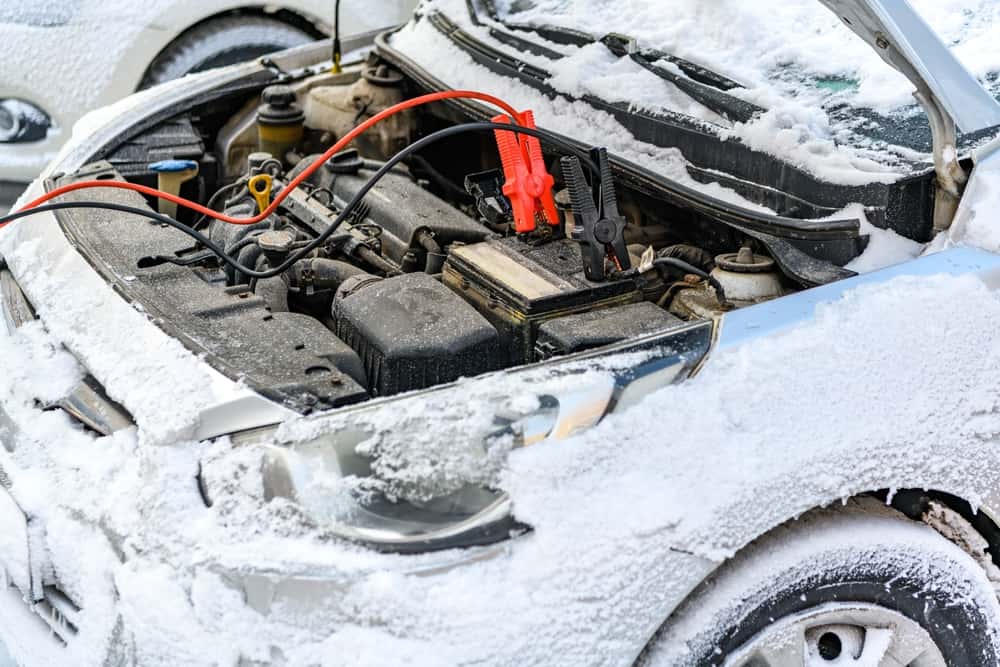
1. Check Battery Health Before Freezing Temps
Cold weather is your car battery’s worst enemy. When the temperature dips below freezing, your engine requires more power to start, but your battery generates less energy. If your battery is already weak, that first cold morning could leave you stranded in the driveway.
Watch for these signs of a weak battery:
- Slow Cranking: The engine sounds sluggish or takes longer than usual to turn over.
- Dim Lights: Headlights or interior lights appear dimmer than normal before the engine starts.
- Old Age: Most batteries last 3–5 years. If yours is in that range, it is living on borrowed time.
Our Advice: Don’t wait for a no-start situation. Have your battery tested before the first hard freeze arrives. The service team at Thompson Sales can quickly test your battery’s cold-cranking amps and install a replacement if needed.
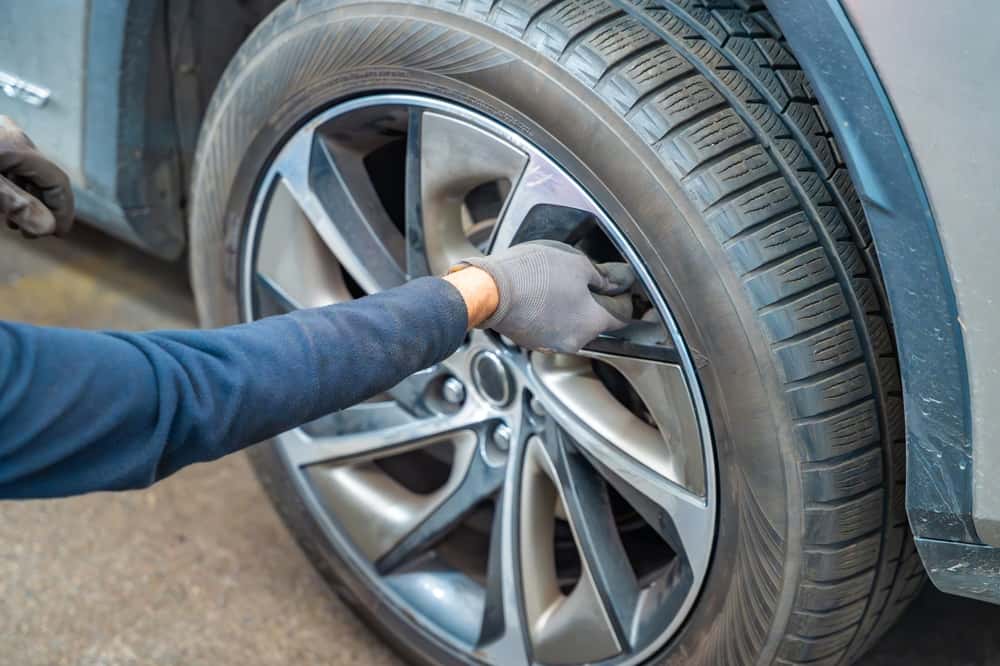
2. Inspect Tire Tread and Pressure for Icy Roads
Tires are your only point of contact with the road, and their performance changes drastically in the winter. As the air gets colder, tire pressure drops, typically losing about 1 PSI for every 10°F drop in temperature. Low pressure combined with worn tread is a recipe for sliding on slick Springfield hills or wet intersections.
How to stay safe:
- Check Pressure Monthly: Keep a gauge in your glove box and inflate tires to the PSI listed on your driver’s side door jamb (not the max number on the tire wall).
- Measure Tread Depth: If your tread is shallow, your tires cannot channel away slush and snow, increasing the risk of hydroplaning.
- Consider Winter Options: While all-season tires are common, dedicated winter tires offer superior grip if you frequently drive on unplowed backroads.
During a winter service visit, we can inspect your tires for uneven wear, correct your pressure, and check your alignment to ensure maximum traction.
3. Test Antifreeze and Coolant Levels
Your engine’s coolant (often called antifreeze) does two jobs: it prevents your engine from overheating and stops the fluids from freezing solid in sub-zero temps. If your coolant level is low or the mixture is too watery, the liquid could freeze inside the engine block, causing severe and expensive damage.
What to look for:
- The 50/50 Rule: For most vehicles in Missouri, a 50/50 mix of antifreeze and water provides the best protection against freezing.
- Fluid Levels: Check the reservoir when the engine is cold to ensure it is at the “Full” line.
While you are under the hood, it is smart to check other fluids that are vital for winter vehicle maintenance in Missouri, such as your oil (which can thicken in the cold) and brake fluid. If you aren’t comfortable checking these yourself, let us handle it during your next oil change.
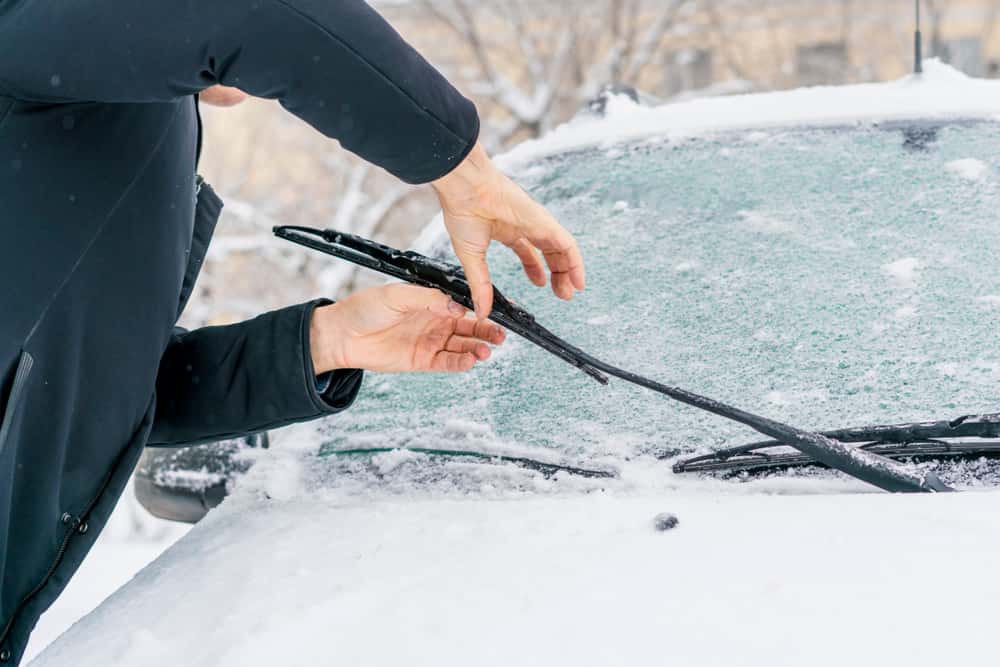
4. Replace Worn Wiper Blades for Snow and Ice
Visibility is often the biggest challenge while driving during an Ozarks winter. Between shorter days, early sunsets, and road spray from salted highways, you need a clear windshield to drive safely. Old wiper blades that leave streaks or miss spots can make driving into the glare of oncoming headlights dangerous.
It’s time to replace your blades if:
- They chatter or skip across the glass.
- The rubber looks cracked or torn.
- They leave large streaks of water or grime behind.
Pro Tip: Switch to a winter-grade windshield washer fluid. These formulas are designed to resist freezing in the reservoir and help melt frost and clear road salt more effectively than standard blue fluid. We can swap out your blades and top off your fluid in just a few minutes.
5. Keep an Emergency Kit in Your Vehicle
Even with the best maintenance, winter weather can sometimes catch us off guard. Breakdowns or getting stuck in a ditch are more dangerous when it is freezing outside, especially if you are driving on less-traveled roads outside of Springfield. An emergency car kit can help you stay safe and comfortable during a less-than-ideal situation.
Pack a basic winter emergency kit with these essentials:
- Warmth: A thick blanket, gloves, and extra warm clothing.
- Visibility: A flashlight with fresh batteries or a headlamp.
- Power: Jumper cables or a portable jump starter pack.
- Tools: An ice scraper, a snow brush, and a small collapsible shovel.
- Basics: A first-aid kit, phone charger, bottled water, and non-perishable snacks.
Store this kit in a tote in your trunk or back seat so it is always within reach.
Winter Car Maintenance FAQs
1. Why does my car struggle to start in the winter?
Cold weather is tough on batteries. When temperatures drop below freezing, your engine requires more power to turn over, but the chemical reaction inside your battery slows down, generating less energy. If your battery is over 3 years old or showing signs of “slow cranking,” it may fail during the first hard freeze.
2. How often should I check my tire pressure during winter?
It’s best to check your tire pressure at least once a month. As the air gets colder, tire pressure drops, typically losing about 1 PSI for every 10°F drop in temperature. Always inflate tires to the PSI listed on your driver’s side door jamb rather than the maximum number on the tire wall.
3. What is the best coolant mixture for Missouri winters?
For most vehicles in the Ozarks, a 50/50 mix of antifreeze and water provides the best protection. This prevents the liquid from freezing inside the engine block during sub-zero temps and protects against overheating.
4. What should I keep in my winter emergency car kit?
Because breakdowns can be dangerous in freezing weather, keep a tote in your vehicle with these essentials:
- Warmth: A thick blanket, gloves, and extra clothes.
- Visibility: A flashlight (with fresh batteries) or headlamp.
- Tools: Ice scraper, snow brush, collapsible shovel, and jumper cables.
- Basics: First-aid kit, phone charger, water, and non-perishable snacks.
5. Do I need special windshield washer fluid for winter?
Yes. It is highly recommended to switch to a winter-grade windshield washer fluid. Unlike standard blue fluid, winter formulas are designed to resist freezing in the reservoir and are more effective at melting frost and clearing road salt.
Schedule a Winter Service Inspection at Thompson Sales
You don’t have to handle winter car care in Springfield all on your own. Our service team knows exactly what Ozarks winters throw at your vehicle, and we are here to help you get ready. From testing your battery to inspecting your brakes and belts, we can cover all the essentials in one appointment so you can drive with confidence.
Ready to get winter-ready?
- Schedule winter car maintenance at Thompson Sales.
- Call our Service Department today to ask about winter tires or recommended maintenance for your specific model.
0 comment(s) so far on 5 Winter Car Maintenance Tips for Springfield Drivers