


Car Radiator FAQs
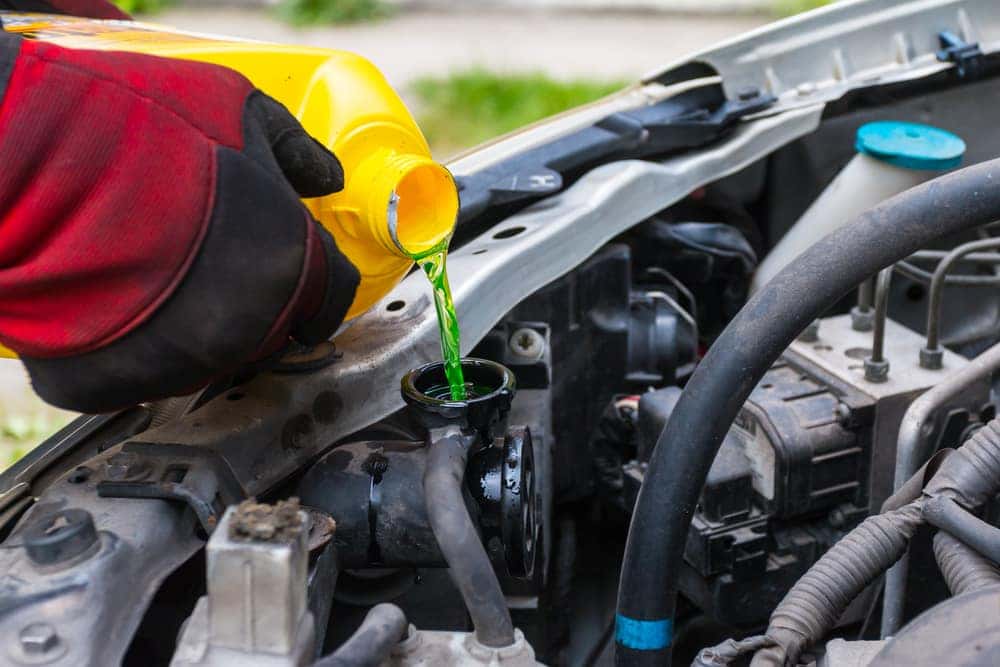
Thompson Sales takes care of all types of vehicle maintenance, including oil changes, tire rotations, transmission service, and tune-ups.
One thing we can do is radiator maintenance, including flushes and fills, to keep your car running in top condition.
Read our answers to frequently asked questions about car radiators to get a better idea of what these parts do for your vehicle.
What does a radiator do in a car?
Your vehicle’s radiator has the sole purpose of eliminating heat in an engine using a combination of a fan and coolant to prevent the engine from overheating.
Why does my car radiator need to eliminate heat from the engine?
Overheating can cause severe damage to the pistons, crankcase, and transmission when the temperature becomes too hot for lubricants to work properly, which makes moving parts seize up, grind, and deform.

What is a car radiator made of?
Manufacturers typically make radiators out of aluminum, a metal that is both lightweight and sturdy.
Where is the radiator in my car?
The main part of the radiator typically sits right behind the grille at the front of your car’s engine compartment. This is where the fan is.

What are the major parts of my car’s radiator?
Your car’s radiator is part of the overall cooling system.
The radiator has a few main parts that each play an important role in keeping your car’s engine cooler:
Radiator Core
The core represents the largest part of the radiator. Fan blades in the core help vent the air by sending a solid push of air over the coolant before it is sent through the cooling system again.
Pressure Cap
The pressure cap seals the coolant in the cooling system, so it maintains the right pressure. If the coolant loses pressure, it cannot go through the radiator properly, and the pressure prevents the coolant from boiling and becoming ineffective.
Two Tanks
The inlet tank helps the hot liquid flow from the engine to the radiator. After the fans cool it, the liquid goes through the outlet tank and back to the engine, where the process starts over and the liquid recirculates.
Radiator Hoses
Special radiator hoses keep this system working properly. They connect the engine to the inlet and outlet tanks and then to the radiator itself.
How does my car’s cooling system work?
The radiator is part of the overall cooling system in your vehicle.
The cooling system works in a few steps:
- The water pump pushes the coolant through specific areas of the engine called water jackets.
- The pressurized coolant moves through water jackets, or hollow areas of the vehicle’s engine, where it absorbs heat.
- The pressurized coolant moves to the inlet tank where it collects briefly before going to the radiator through a hose.
- Once in the radiator itself, the coolant separates and travels through narrow channels. When the car is idle, the fan turns rapidly to cool as much of the surface area of the coolant as possible to dissipate the heat efficiently and effectively. If your vehicle is moving forward, air comes through the grille to cool the liquid.
- The coolant goes to the outlet tank before moving back to the engine, where the process starts over again in a continuous cycle.
What causes a radiator to break down?
A radiator can break down in a few ways.
- A faulty thermostat displaying the wrong temperature on the dashboard.
- A leaking head gasket can cause engine fluids to lose pressure.
- Too hot during the summer. If the air going through the grille is too hot, it doesn’t shunt enough heat away from the coolant to be effective.
- Not maintaining proper coolant levels. If there is less liquid in your coolant system, it doesn’t absorb enough heat, and your engine might get too hot. Hot fluids can cause a radiator to crack.
What causes a radiator to crack?
Dirty coolant is the main cause of a cracked radiator because it causes corrosion over time due to the composition of the coolant. Over time, bad coolant can cause pitting, which might lead to leaks and overheating.

How much does a new car radiator cost?
The average cost of replacing a radiator ranges between $935 and $1,132. Costs vary depending on the size of the radiator and the labor costs in your local area.
How can I tell when a car radiator is bad?
Look for these four main signs of a bad radiator:
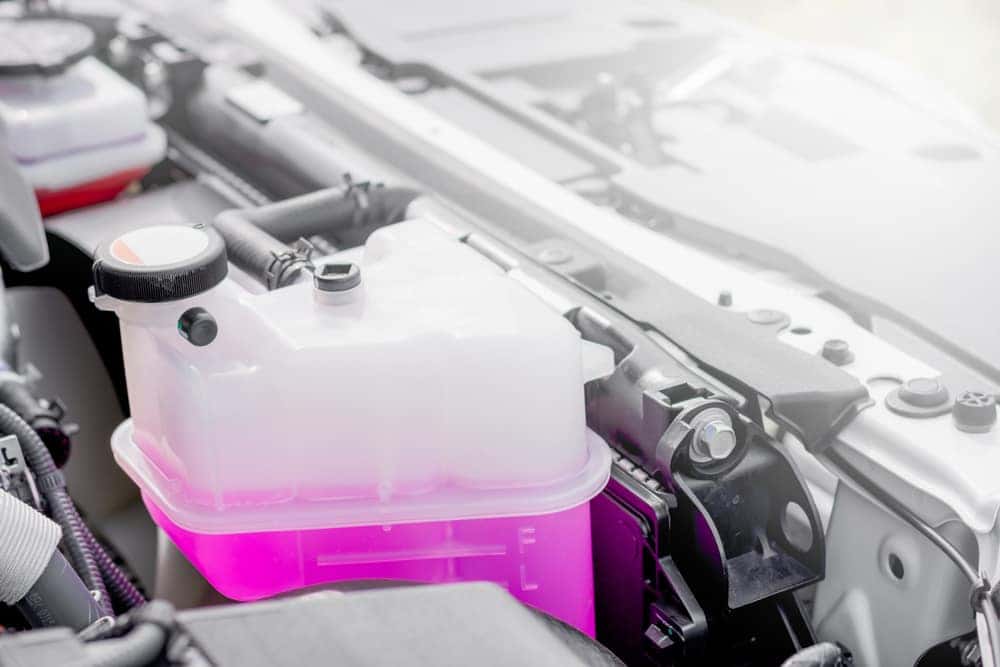
- Low coolant levels when you check the reservoir. Your vehicle’s coolant reservoir has indicators on it to show what the levels should be when the vehicle is hot and cold. Anything below the normal, and you should add radiator fluid or take your vehicle in for service.
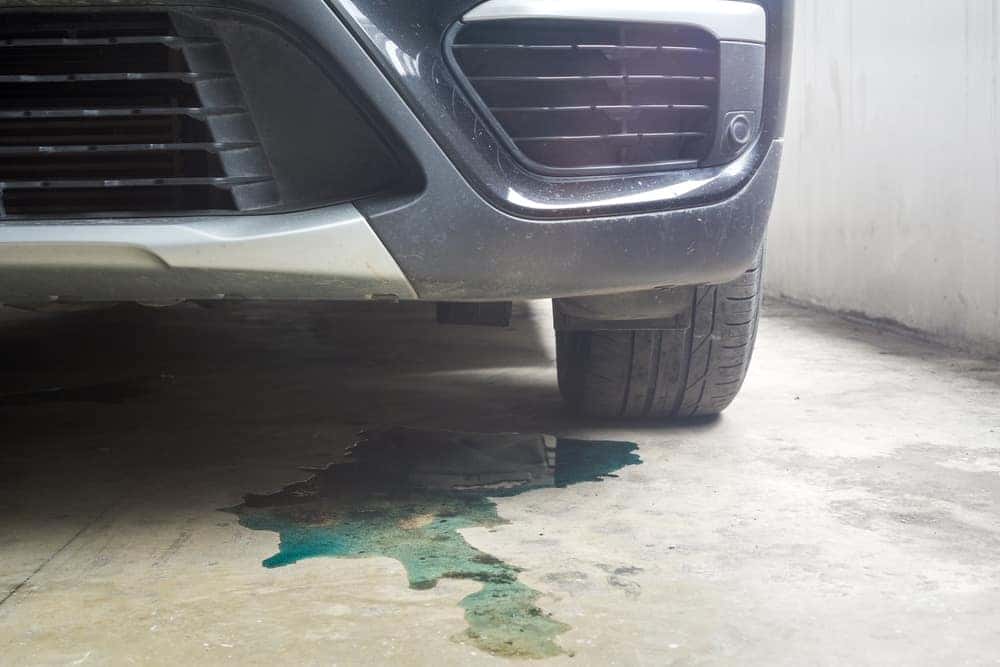
- Coolant leaking under your car. If you see drips or puddles of coolant underneath your vehicle by the grille, it might be a sign of a bad radiator, and you need to get it looked at.
- Overheating engine. Your engine’s thermostat shows the temperature of the engine, and when/if it redlines, you might have a bad radiator.
- Sludge buildup in the radiator. If your coolant has a rusty tinge or oil color rather than standard orange, red, pink, yellow, or green, there is a problem with sludge in the coolant.
When should I add coolant to the reservoir?
Always check coolant levels when you fill up your car’s gas tank.
When you add radiator fluid to your car’s radiator reservoir, do so when the engine is cold and you haven’t run your car in a while.
How do I add radiator fluid to my car?
- Loosen the radiator cap gently and then step back while the system releases pressure.
- Remove the cap completely.
- If the coolant level is low, add the correct coolant to the fill line when the engine is cold.
- Replace the cap tightly.
Why does my radiator need a flush and fill?
Deposits and rust build up in your radiator over time, which causes your radiator to function less effectively.
Your technician will thoroughly flush your car’s radiator and coolant system, run a special cleaner through it, and then fill it up with the right amount of brand-new coolant to keep the radiator working in peak condition.
How often should I get a radiator flush and fill?
According to your owner’s manual.
In general, flush and fill your radiator every five years or 100,000 miles, whichever comes first.
Where can I get car radiator maintenance in Springfield, Missouri?
The certified technicians at Thompson Sales in Springfield, Missouri, can perform maintenance on your car radiator. Contact us or call (417) 763-6811 for more information.
0 comment(s) so far on Car Radiator FAQs