


Ready for Race Day? Check Out These 12 Must-Know Tips
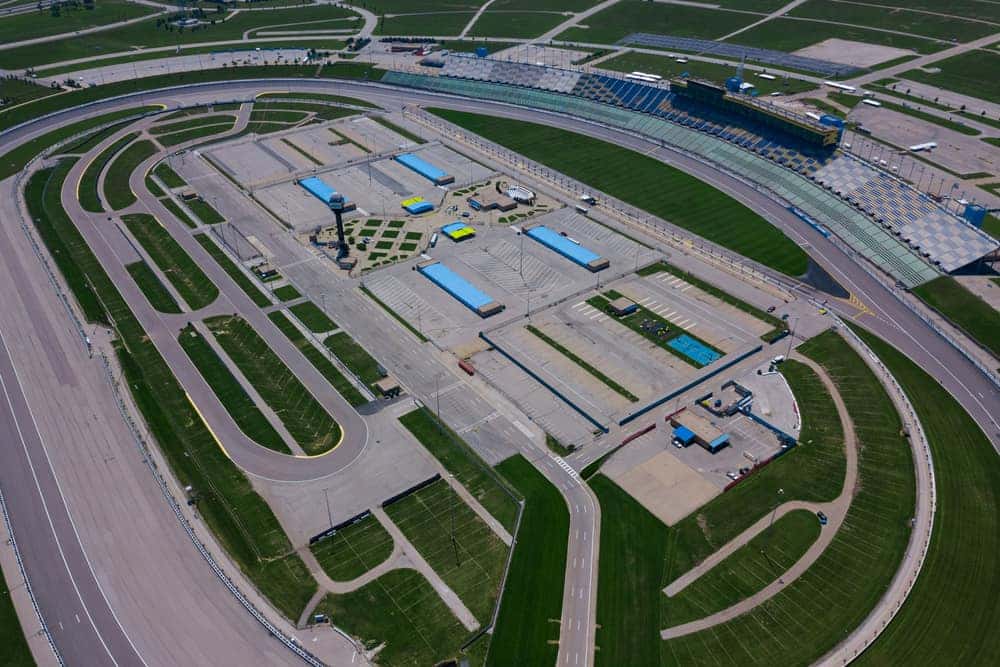
The heat radiates from the pavement. Engines come to life. You can hear the occasional scrape as metal meets metal heading to the straightaway.
It’s race day. And you love the adrenaline rush of cheering on your favorite driver.
Whether you’re headed for the Thursday 7 p.m. main event or make a weekend out of the closest NASCAR tilt, we’ve got 12 tips for getting ready for race day from Thompson Sales. While none of the new or used vehicles on our lot will qualify for racing anytime soon, you can imagine yourself behind the wheel when attending your favorite race.
Table of Contents
- Thompson Sponsors Pete Richardson’s #64 Racecar
- Race Tracks Within 200 Miles of Springfield
- Where to Get More Information
- RVing or Hoteling?
- Racetrack Sizes: From Local Tracks & Drag Strips to NASCAR
- What to Pack for Your Racing Trip
- How Soon to Arrive
- Infield or No Infield?
- Pre-Race Festivities
- While the Race Is Going On
- Adverse Weather
- After the Race
- Trick Out Your Car, Truck, or SUV at Thompson’s Body Shop
Thompson Sales Sponsors Pete Richardson’s #64 Racecar
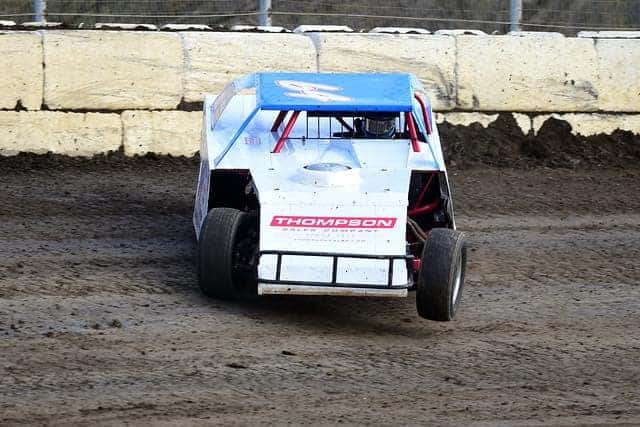
Thompson Sales proudly sponsors Pete Richardson’s #64 racecar, appearing on several dirt tracks across the Midwest in modified divisions. Over the span of 61 starts in the 2022 racing season, Pete saw 12 victories and 48 top-five finishes on his way to the season championship in the POWRi Midwest Mod National standings!
You’ll see Pete a Lucas Oil Speedway in Wheatland, Monett Motor Speedway, and Springfield Raceway out by the airport, among other venues. We’re proud of Pete for representing our company every week on the race track!
Race Tracks Within 250 Miles of Springfield
If you want to get closer to the action and see several races in one evening, there are many race tracks within 250 miles of Springfield. Here are some racetracks and drag strips within an afternoon’s drive of the Queen City of the Ozarks, as well as two bonus tracks if you love NASCAR action. These tracks generally have races from April through October:
- Springfield Raceway – Located right in Springfield, MO, this 1/4 mile clay oval track hosts regular dirt track racing events. Fans can take a spin on the racetrack, too!
- Ozark Raceway Park – Situated in Rogersville, MO, just outside Springfield, this 1/8 mile asphalt drag strip is well-known for hosting events like Street Machine Nationals. This track has been around since 1977.
- Lebanon I-44 Speedway – Located in Lebanon, MO, this 3/8 mile asphalt oval is a favorite for both spectators and racers.
- Lucas Oil Speedway – Located in Wheatland, MO, this 3/8 mile clay oval is a premier facility for dirt track racing and a fan favorite during the summer and fall months, especially when the outlaw cars come to town.
- Mo-Kan Dragway – Located in Asbury, MO, around 90 minutes from Springfield, Mo-Kan is a historic 1/4 mile asphalt drag strip that’s been around since 1962 during the Golden Age of muscle cars.
- Monett Motor Speedway – A 3/8 mile clay oval track located in Monett, MO, about an hour from Springfield.
- World Wide Technology Raceway – Home of NASCAR, IndyCar, and NHRA races, along with other world-class automotive events, this racetrack just east of St. Louis in Illinois is a great place to cheer on your favorite big-name driver. The 1.25-mile oval track can be converted into a road course.
- Kansas Speedway – Slightly longer than the track in St. Louis, Kansas Speedway is 1.5 miles as a tri-oval, and it hosts spring and fall NASCAR events. Throughout the year, you can take tours and attend concerts held at the venue. In May 2024, Kansas Speedway hosted the closest finish ever in a NASCAR race, where Kyle Larson edged Chris Buescher at the finish line by just one inch.
Where to Get More Information
The best place to get more information about these racetracks is on the websites for them. Many of them have online ticket sales. You can, of course, buy tickets when you get there. The staff at each raceway will have additional information and tips on where to park, nearby amenities, what you can and can’t bring into the stands, and any traditions at the racetrack. Feel free to ask them any questions you may have!
RVing or Hoteling?
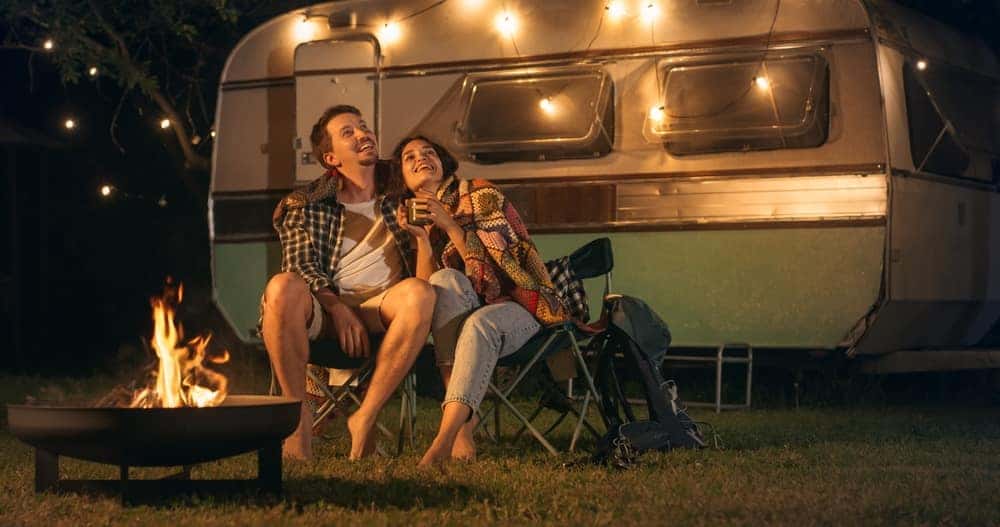
Nothing says fun like camping in an RV while attending a race. Larger venues, like those for NASCAR or IndyCar races, may have infield campgrounds because the oval tracks are so large. Your choices depend on how much time you’re going to spend at races, your level of comfort, and what kind of experience you want to have.
Consider a racetrack road trip. You might find a venue with Thursday night races, and then the following day, another venue has races on Friday night. Then, you can head to a weekend race on Saturday!
RVing at a Car Race
RVing allows you to stay close to the track, often in designated camping areas. Even smaller tracks in rural areas might have nearby RV campgrounds. You also have the comfort of your own space, including a bed, kitchen, and bathroom, making your stay more enjoyable. Moreover, RV parks at race tracks are social hubs where you can connect with fellow fans and share the experience. It’s a lot of fun connecting with people on your RV trips as you make new friends.
RV spots at popular tracks fill up quickly. Be sure to check the track’s website for information on available spots and amenities well in advance. Make sure to bring everything you normally would with an RV, with one notable exception: binoculars. If you’re camped at the infield of a huge racetrack, binoculars can help you zoom in on the action.
Familiarize yourself with the track’s rules regarding RV parking and hookups. Arrive to secure a good spot and set up your RV without a rush. There might be special events for RVers before the main event!
Staying in a Hotel for a Car Race
Hotel accommodations offer a different set of benefits. Hotels provide varying levels of comfort, from basic to luxurious, and include amenities like clean linens, daily housekeeping, and room service, depending on where you stay.
Larger racetracks located in or near bigger cities have easier access to additional attractions, dining options, and entertainment. With a hotel, you avoid the setup and maintenance involved with RVing, which can simplify your race day experience.
Opt for a hotel close to the race track to reduce travel time, and check if the hotel offers shuttle services to and from the track. If not, consider a taxi or ride-sharing because sometimes larger tracks will charge for parking. Reading reviews can help make sure the hotel meets your comfort and convenience standards.
Racetrack Sizes: From Local Tracks & Drag Strips to NASCAR
As you can imagine, smaller tracks will have a more intimate feel and put you closer to the action. You might feel more at home with the drivers who are growing a following.
Meanwhile, larger tracks and venues will have more events, glitzier promotions, and the best drivers on the circuit to go along with the higher-speed cars.
Drag strips and smaller venues likely have bench grandstand-style seating, much like a high school football stadium. These tracks are generally less than a ½ mile in length.
NASCAR tracks, on the other hand, bottom out at ½-mile in length at Martinsville in Virginia. Oval tracks can get as long as 2.5 miles on superspeedways, while some road courses can exceed 3 miles.
The size of the track also determines the types of events there. NASCAR events may last Thursday or Friday and into Sunday. You could see truck races on Friday, slower cars on Saturday, and then the cream of the crop on Sundays. Meanwhile, smaller tracks will have multiple races on the same night, often featuring the same drivers in multiple races. There are likely to be qualifying heat races of 10 to 15 laps, followed by the main event covering 30 to 50 laps.
Again, it depends on the racing experience you want to have. Think of dirt tracks and smaller tracks as the minor leagues for baseball, while NASCAR is the big leagues. Drivers are more accessible at smaller tracks, and NASCAR drivers often start as dirt or short-track racers. You could get to know up-and-coming drivers before they hit the big circuit! Kyle Larson, Christopher Bell, and Chase Briscoe on the NASCAR circuit all got their starts on short tracks.
What to Pack for Your Racing Trip
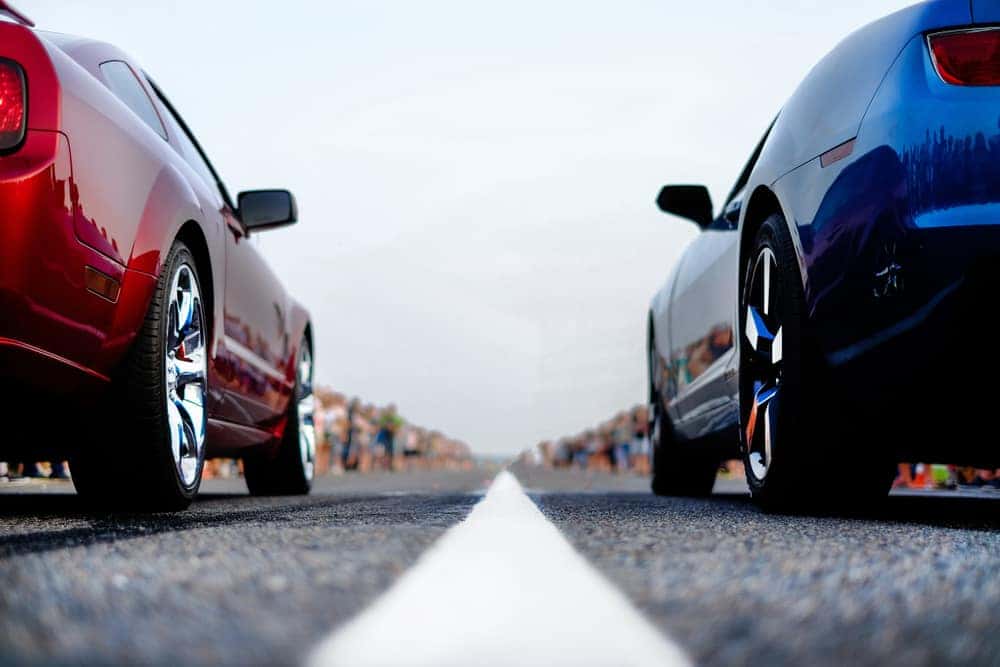
Once you decide where you are going for your racing trip, it’s time to plan what to pack. How much to pack depends on what accommodations you need and how long you’re staying. In an RV, you already have most of what you need. If you’re staying in a hotel, you’re probably packing lighter.
Here’s a checklist of essential items to pack for a day at the racetrack:
1. Comfortable Clothing
- Weather-Appropriate Attire: Lightweight, breathable clothes for hot days, and pack a jacket or sweater for cooler weather. Dressing in layers is a good idea, as temperatures can change throughout the day.
- Hat and Sunglasses: The sun can be intense at an outdoor race, so bring a hat or cap and a pair of sunglasses to protect your eyes.
- Comfortable Shoes: You’ll likely be walking or standing a lot, so wear comfortable, supportive shoes or sneakers.
- Rain Gear: If there’s a chance of rain, pack a waterproof jacket or poncho. Some tracks still race in light rain, so be prepared!
2. Personal Items
- Sunscreen: Apply sunscreen before you leave and bring extra to reapply throughout the day, especially if you’ll be in the sun for several hours.
- Ear Protection: Car races can be extremely loud, so bring earplugs or noise-canceling headphones to protect your hearing.
- Small Backpack or Tote: A small bag to carry your items can keep everything organized and within reach. Check the track’s rules on bag sizes and types.
- Binoculars: If you’re sitting far from the action, a pair of binoculars can help you get a closer view of the track.
3. Food and Drinks
- Water Bottle: Staying hydrated is key, especially in hot weather. Some tracks have water refill stations, so bringing a refillable bottle is a great idea.
- Snacks: Pack some light snacks like granola bars, fruit, or nuts to keep you energized throughout the day. Check if the track allows outside food.
- Cooler: If permitted, a small cooler with drinks and snacks can save you money and keep you refreshed.
4. Seating and Comfort
- Seat Cushion or Folding Chair: If you have general admission seating or plan to be in bleachers, a seat cushion or small folding chair can make a big difference in comfort.
- Blanket: A small blanket can be useful if you’re sitting on the grass or need extra warmth.
- Umbrella or Shade Tent: Some tracks allow small umbrellas or personal shade tents, which can provide relief from the sun if you’re in an exposed area.
5. Tech and Entertainment
- Portable Charger: If you’re using your phone for photos, apps, or live updates, a portable charger ensures you won’t run out of battery.
- Race Scanner or App: Many die-hard fans bring a race scanner to listen in on driver communications, or you can download race-specific apps that provide live updates.
- Program or Race Guide: Grab a race program to follow the schedule and keep track of drivers, standings, and any special events happening throughout the day.
6. Health and Safety Items
- Hand Sanitizer or Wipes: With public facilities and large crowds, it’s a good idea to have hand sanitizer or wipes for cleanliness, especially.
- Medications: Bring any necessary medications with you, along with basic items like ibuprofen, band-aids, or allergy relief.
- ID and Cash: Some places may still prefer cash for smaller purchases like food or souvenirs, so it’s good to have some on hand, along with your ID for purchasing alcohol if necessary.
Bonus Items
- Flag or Souvenir Gear: If you have a favorite driver or team, bring a flag or wear their merchandise to show your support.
- Track Map: Some race tracks can be large and confusing, so having a map can help you navigate easily.
How Soon to Arrive
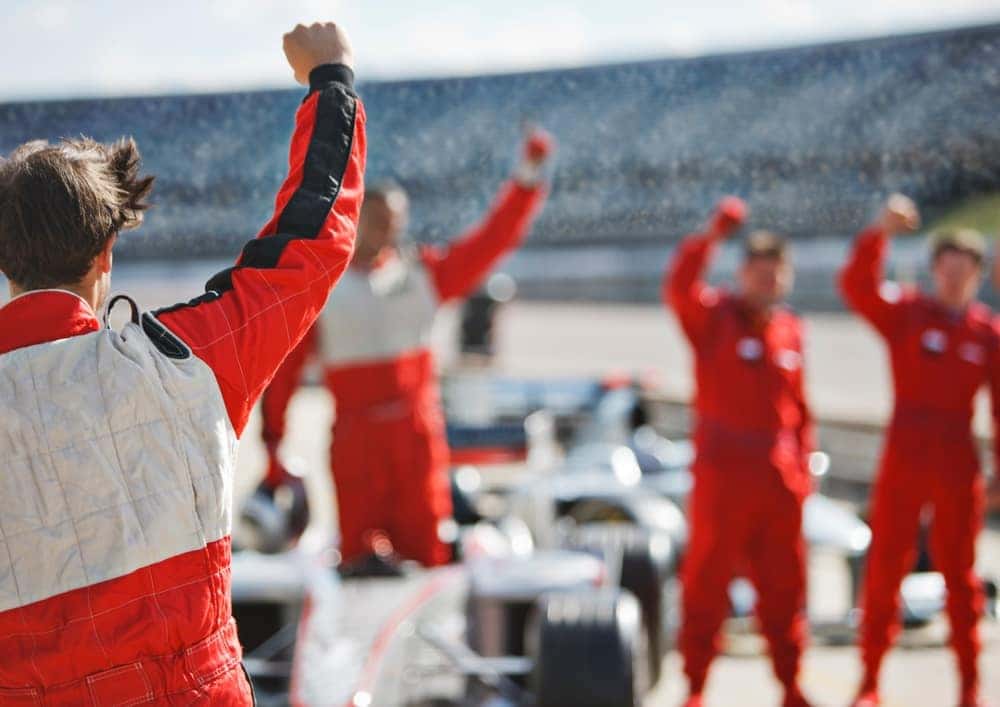
Make a day out of it. Smaller tracks typically open an hour or two before the racing action starts. Getting there early means you can relax with a meal, talk to your companions, and enjoy the atmosphere. You can also scope out the top drivers, research who is in the race, and acclimate to the weather. Parking lots often open well before the gates. So, if you want to get a great parking spot, get there when the lots open. Depending on the size of the venue, getting there early and leaving later will help you avoid traffic jams.
For major events and larger tracks, RV camping on the infield often starts one to two days before the race. Again, the earlier you get there, the better your spot can be. For general admission tickets for the race, get there three to five hours before the race starts. That way, you can get a good seat. Reserved seating is a bit different because you have assigned seats. Arrive two to three hours before the race to soak up the atmosphere.
Look over the pre-race schedule. There might be a concert, a walk through pit lane, or a food-type event like a barbecue or fish fry. Make sure to arrive early because it can get congested with traffic the closer it gets to race time!
Infield or No Infield?
Infields offer unique views of the race at larger venues. Many infield spots are reserved for RVs, and they have a special race day atmosphere for everyone to enjoy. Consider these pros and cons of choosing an infield spot at large tracks:
Pros
1. Proximity to the Action
The infield puts you closer to the track, offering an up-close view of the cars as they speed by. You’ll be right in the heart of the race, with the roar of the engines and the energy of the event all around you.
2. Exclusive Access
Many infield areas offer additional perks, such as access to pit zones, garages, and driver interviews. These behind-the-scenes opportunities provide an insider’s view that you won’t get from grandstand seating.
3. Community Atmosphere
Infield camping or tailgating allows fans to create a community vibe, often with fellow die-hard race enthusiasts. It can feel like a festival, with socializing, barbecues, and shared excitement.
4. Freedom of Movement
In some cases, infield spots allow you to move around, explore different viewing angles, or walk around to other parts of the infield during the event. However, you must observe the limitations and stay away from restricted areas.
Cons
1. Limited Sightlines
Depending on the track design, the infield often has obstructed views, making it difficult to see the entire race or key turns. This can be a drawback for those wanting a panoramic or complete view of the action from the grandstand.
2. Noise and Crowds
The infield can get extremely loud and crowded, particularly during major races. The noise levels from the engines can be overwhelming without proper ear protection, and navigating through large crowds may become tiring.
3. Logistics and Access
Getting in and out of the infield can be challenging, especially with race-day traffic. Additionally, you might have fewer amenities compared to grandstand seating, such as comfortable restrooms or food vendors nearby. So, if you brought a car with you behind the RV, understand that the infield may get crowded.
Pre-Race Festivities
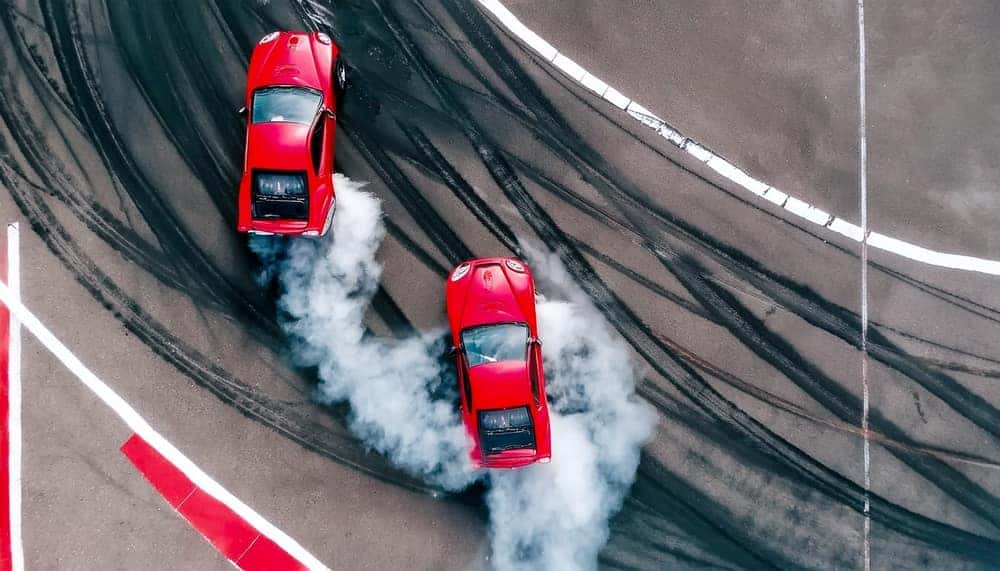
Larger venues will have more pre-race activities than smaller ones. But you can still enjoy the full pre-race experience depending on what’s available at your chosen track.
Types of Pre-Race Festivities
1. Driver Introductions
Before the race, drivers are often introduced to the crowd, and it’s a great chance to see your favorite racers up close. At some tracks, drivers even ride around the track on trucks or carts, giving fans a wave.
2. Pit Walks and Garage Tours
Many tracks offer pit lane walks where fans can get a behind-the-scenes look at the race cars and crews preparing for the race. Some events allow access to the garages, where fans can watch teams make last-minute adjustments.
3. Fan Zones
These areas are often filled with interactive exhibits, sponsor booths, merchandise stalls, and simulators. You might find virtual racing, meet-and-greets with former drivers, and car displays. Fan zones are a great place for families to enjoy activities. Larger venues might have a museum or hall of fame to see.
4. Concerts and Live Entertainment
Many major races feature live music, from local bands to big-name performers, as part of the pre-race entertainment. There may also be DJs, cheerleaders, or even stunt shows to keep the energy up.
5. Parades and Flyovers
Pre-race parades may include historic cars, military tributes, or themed vehicles. Flyovers by military jets are common at large events, creating a dramatic pre-race spectacle.
6. Autograph Sessions
Some races offer opportunities to meet drivers for autographs or photo ops, typically in dedicated fan areas or sponsor booths.
7. Food and Beverage Tents
Tracks often host food and beverage tents featuring local cuisine, beer gardens, and specialty snacks for fans to enjoy before the race.
Tips to Enjoy Pre-Race Festivities
As with anything, you get out of something that you put into it. If you love the full race day experience, here are some ways to immerse yourself in the pre-race events:
1. Arrive Early
To make the most of the pre-race events, arrive several hours before the race starts. Popular festivities, like driver introductions and pit walks, can get crowded, so getting there early ensures you won’t miss out.
2. Check the Schedule
Each track will have a unique schedule of events. Check the official event or track website ahead of time to plan your day and prioritize the activities you don’t want to miss. Remember, larger tracks will have more events that last longer.
3. Wear Comfortable Shoes
Pre-race festivities often involve a lot of walking, especially if you’re moving between different areas like fan zones, pit walks, or food tents. Wear comfortable shoes and dress appropriately for the weather.
4. Take Photos
There are plenty of opportunities for great photos during pre-race festivities, from meeting drivers to seeing cars up close. Make sure your phone is charged for capturing these moments.
5. Stay Hydrated and Fed
With all the excitement, it’s easy to forget to eat and drink. Stay hydrated, especially if it’s a hot day, and grab a snack before the race starts, as concession lines can get long later.
6. Engage with Fellow Fans
Pre-race festivities are social events where you can meet other fans who share your passion. Chatting with others simply makes the experience more fun!
While the Race Is Going On
While the race is happening, there’s a lot to take in and enjoy beyond just watching the cars zoom around the track.
Track the drivers’ progress, keeping an eye on lap times and position changes. Using a race app or scanner can enhance this experience, as you can listen to live commentary, hear team communications, and access real-time stats. This helps you stay informed about strategies, pit stops, and potential lead changes that you might not catch by just watching the action unfold.
Visiting the fan zones or concession stands during quieter moments or caution laps can give you a break from the noise while still allowing you to stay connected to the ongoing race through big screens or live updates. Since the race may not have any stops in the action, longer races mean you’ll need to choose your break times wisely for going to the bathroom and getting food. Longer races at larger venues can last three hours!
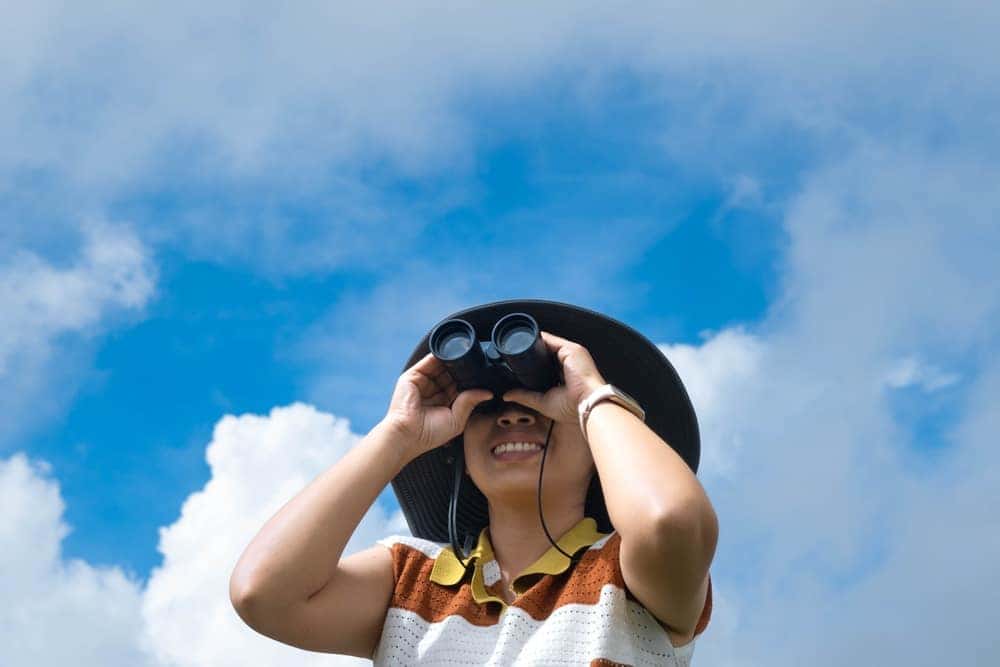
Binoculars are a must at a racetrack, no matter where you sit. The action along the backstretch of an oval track can be several hundred feet from your vantage point. Be careful if you’re using binoculars around sunset. You don’t want to blind yourself by pointing them at the sun.
Adverse Weather
If you’re from the Ozarks, you know that weather can change quickly. Always have your phone handy with a weather app to stay in the know. When adverse weather hits while you’re watching a race, there are several steps you can take to stay safe and comfortable while still enjoying the event.
First, prepare for rain by packing rain gear like waterproof jackets, ponchos, and even plastic seat covers if you’re in uncovered seating. Many tracks allow small umbrellas but be mindful of obstructing the view of other fans. If it’s a light rain and the race continues, staying dry will keep you comfortable. In the case of heavier rain that might delay or temporarily stop the race, head to covered areas or your car if possible. Always keep an eye on the weather forecast before race day, so you’re ready with the appropriate clothing and gear.
If there’s extreme heat, make sure to stay hydrated and protect yourself from the sun. Wear sunscreen, a wide-brimmed hat, and lightweight, breathable, light-colored clothing. Seek shade during breaks, and make use of cooling stations or misting fans if they’re available at the track. Take breaks in shaded or indoor areas to avoid heat exhaustion if the hot weather becomes too unbearable.
In the case of lightning or severe storms, it’s important to prioritize safety. Follow track announcements and instructions from officials, who may advise evacuating the stands or moving to a secure location. Tracks often have designated safe areas, such as enclosed buildings or underneath grandstands, where fans can wait until it’s safe to return. Races are typically paused during lightning for safety reasons, so use this time to stay sheltered and check updates on when the race may resume.
After the Race
After the race ends, there’s still plenty to do to wrap up your experience and make the most of the day. One of the first things to consider is taking your time leaving the venue. Traffic can be heavy when fans try to exit at once, so it’s often a good idea to hang back and let the crowd thin out.
While waiting, you can explore any remaining activities around the track, like visiting merchandise stands, checking out fan zones, or grabbing a final snack. Some tracks may even have post-race events, such as concerts or meet-and-greets with drivers, so it’s worth sticking around for these bonus activities, even at small tracks.
If you’re camping or in an RV, the post-race period is a great time to relax and debrief with friends or fellow fans. Many RVers turn the post-race atmosphere into a continuation of the tailgating experience, sharing their thoughts on the race, grilling food, or just enjoying the evening. It’s also an opportunity to start packing up and tidying your space, making the next day’s departure easier and less rushed in the morning.
Consider heading to a local spot to extend the experience and allow you to join in discussions with other fans who attended the race. If you’re traveling, double-check that you have everything packed up and secure before you head out. You’ll have a smooth and stress-free departure from the track and a memorable conclusion to your race day.
Trick Out Your Car, Truck, or SUV at Thompson’s Body Shop
Want to trick out your vehicle to make it truly yours? The body shop at Thompson Sales can put on a new paint job, install improved tires and bigger wheels, and install lift kits.
Contact us or call (417) 763-6811 if you want to explore some of the customizations we can do.
0 comment(s) so far on Ready for Race Day? Check Out These 12 Must-Know Tips