


Synthetic Oil vs. Conventional Oil: Which Is Best for Your Vehicle?
You’ve likely heard this question at every oil change you’ve ever scheduled: “Would you like synthetic oil or conventional oil?” For many Ozarks drivers, the price difference is the main factor in the decision. However, whether synthetic oil is better than conventional oil for your vehicle depends on your vehicle type, driving habits, and how long you plan to keep your ride on the road.
At Thompson Sales Company, we believe in empowering our customers with the right information to protect their investment, whether it’s a brand-new Cadillac or one of our high-quality used vehicles. Keep reading to understand synthetic oil vs. conventional oil and choose which is best for you.
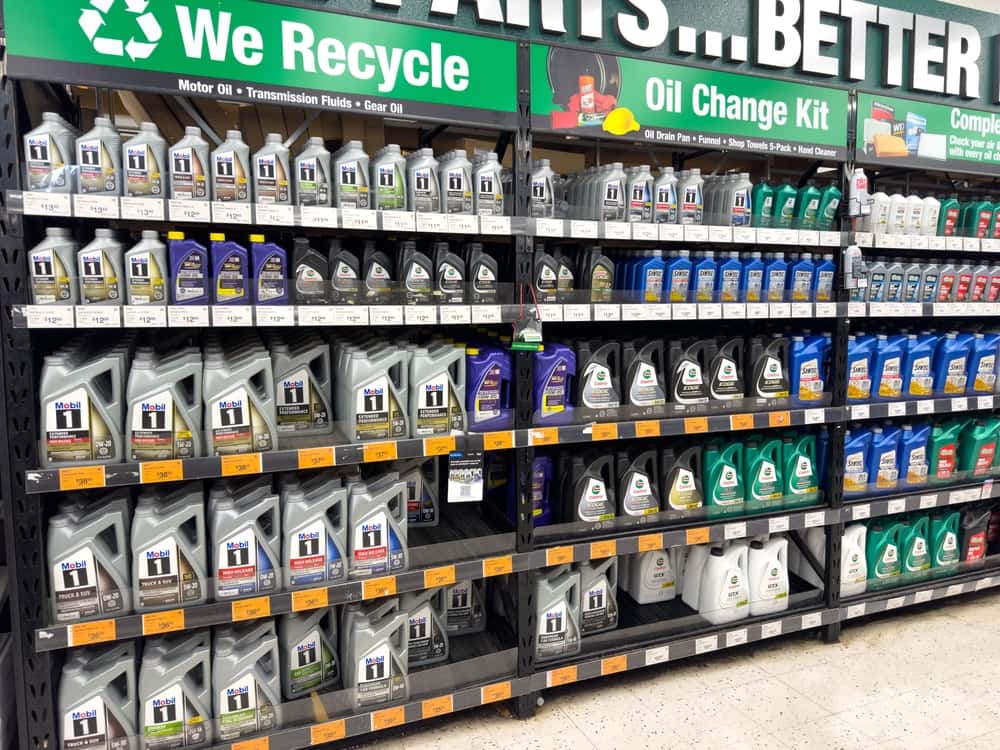
What’s the Difference Between Synthetic and Conventional Oil?
The primary difference between synthetic and conventional oil lies in how they’re made and how they behave under stress. While both start in the ground, their journeys to your engine are very different.
- Conventional Oil: This is refined from crude oil. While effective, it contains more natural impurities and is less consistent at a molecular level. It provides adequate protection for light-duty driving but breaks down faster under extreme heat or heavy use.
- Synthetic Oil: This is chemically engineered and highly refined. Scientists strip out impurities and add high-performance additives that allow the oil to remain stable at both higher and lower temperatures.
At a Glance:
- Conventional Oil: Lower upfront costs; best for older engines or light, infrequent driving.
- Synthetic Oil: Superior resistance to oil sludging; better protection for turbocharged engines; ideal for heavy-towing trucks and SUVs.
Most modern vehicles now require synthetic or synthetic-blend oil from the factory to meet performance and efficiency standards.
How Does Motor Oil Actually Work in Your Engine?
Think of motor oil as the lifeblood of your vehicle. Its job is far more complex than just greasing parts. This is why regular car maintenance, including oil changes, is integral. In your engine, oil performs four critical tasks:
- Lubrication: It creates a microscopic film between moving metal parts to prevent friction and wear.
- Cooling: It carries heat away from the combustion chamber and moving components.
- Cleaning: It picks up dirt, carbon, and metal shavings, moving them to the filter.
- Protection: It contains inhibitors that prevent rust and corrosion from forming inside your engine block.
In Springfield, our driving conditions can be surprisingly tough on oil. Between humid summers, freezing Ozark winters, and the stop-and-go traffic on Glenstone Avenue, your oil is constantly fighting to maintain its viscosity. High-quality synthetic oils excel here because they don’t “thin out” as easily in the heat or “gel up” during a Missouri cold snap.
Schedule an Appointment at Our Service Center

Key Benefits of Synthetic Oil vs. Conventional Oil
So, is synthetic oil better for your car? For the vast majority of drivers, yes. Here’s why.
- Extreme Temperature Stability: Synthetic oil flows better in sub-zero temperatures, ensuring your engine is lubricated the moment you turn the key on a frosty January morning.
- Engine Longevity: By resisting sludge and deposits, synthetic oil keeps the internal components of your engine cleaner and extends the longevity of your vehicle.
- Better Protection for Towing: If you use your truck to pull a boat to Table Rock Lake, synthetic oil provides the extra film strength needed to protect your engine under the high heat of towing.
- Potential Fuel Economy: Because synthetic oil reduces internal engine friction more effectively than conventional oil, it can lead to slight improvements in MPG.
At Thompson Sales, our service team doesn’t just push the most expensive option; we look at your odometer and your lifestyle to ensure you’re getting the best protection for your budget.
When Is Conventional Oil Still a Good Option?
Conventional oil isn’t “bad.” It’s just basic. It might still be a great choice if:
- You drive an older, high-mileage vehicle that has always used conventional oil.
- You drive very few miles and change your oil based on a 6-month time interval rather than mileage.
- Your vehicle manufacturer specifically lists conventional oil as an acceptable standard.
How Often Should You Change Your Oil?
The old “every 3,000 miles” rule is largely a thing of the past. With advancements in engine technology and synthetic lubricants, many modern vehicles can safely go 5,000 to 7,500 miles between changes.
However, “severe use” changes the math. If you frequently drive short distances (where the engine doesn’t reach full operating temperature), idle for long periods in traffic, or drive on dusty Ozark backroads, you may need more frequent oil changes.
Always check your vehicle’s Oil Life Monitor and consult your owner’s manual. When in doubt, our certified technicians are happy to provide a personalized recommendation based on your specific vehicle.

How Much Do Oil Changes Cost, and What Affects the Price?
While a synthetic oil change has a higher upfront cost than a conventional one, it is often the more economical choice over the life of the vehicle. Several factors influence the price:
- Oil Capacity: A large GMC Sierra 2500HD requires more quarts of oil than a compact sedan.
- Filter Quality: We use OEM-recommended filters designed to catch smaller particles.
- Engine Type: High-performance Cadillac engines or diesel engines require specific formulations.
Investing in a quality oil change at a dealership ensures that the technicians are using the exact grade of oil your engine was designed to use, which protects your warranty and your engine’s resale value.
How Oil Choice Matters for Trucks and Work Vehicles
In the Ozarks, trucks are more than just transportation; they’re tools. Trucks that haul heavy loads or navigate hilly terrain put immense pressure on engine bearings. Synthetic oil is a “must-have” for many used truck owners who want to reach the 200,000-mile mark and beyond. Keeping a meticulous service record with high-quality oil also makes your vehicle much more attractive to future buyers.
Check Out Our Used Trucks Guide
Schedule Your Oil Change at Thompson’s Service Center
Ready to give your engine the protection it deserves? Whether you need a routine oil change in Springfield, MO, or a full multi-point inspection, the team at Thompson Sales Company is here to help. Our certified technicians specialize in Buick, GMC, and Cadillac maintenance, but we are equipped to handle car maintenance for all makes and models.
Schedule your appointment online or reach out to our team with any questions.
Synthetic Oil vs. Conventional Oil FAQs
Is synthetic oil always better than conventional oil?
In terms of engine protection, yes. Synthetic oil outperforms conventional oil in almost every category, including temperature resistance, cleaning ability, and longevity.
Can I switch from conventional to synthetic oil?
Yes. It is a myth that you “can’t go back” once you switch. You can switch to synthetic at any time to provide better protection for your engine.
Does synthetic oil make my car last longer?
By reducing friction and preventing the buildup of harmful sludge, synthetic oil helps prevent the internal wear that typically leads to engine failure as a vehicle ages.
Do I need synthetic oil for my used truck?
If you use your truck for towing, hauling, or frequent highway driving, synthetic oil is highly recommended to handle the increased heat and stress placed on the engine.
0 comment(s) so far on Synthetic Oil vs. Conventional Oil: Which Is Best for Your Vehicle?