


11 Ways to Extend the Life of Your Vehicle
According to Car & Driver, the average vehicle on American roads is around 11 years old. Because of modern technology and improved construction materials, vehicles can last around 200,000 to 300,000 miles.
One key is to take care of your vehicle over the years with regular maintenance and repairs. We’ve got some additional tips on how to extend the life of your vehicle that can keep your car, truck, or SUV in better shape for many years, brought to you by the service team at Thompson Sales.
1) Keeping Up With Car Maintenance
Regular car maintenance helps your vehicle stay in top shape and last longer while also trying to avoid costly repairs and keeping your car running smoothly. For example, regular oil changes prevent engine wear due to friction by lubricating vital parts that move very quickly to create forward motion.
Following your vehicle’s maintenance schedule, generally every 5,000 to 10,000 miles, does two things. First, it follows the manufacturer’s recommendations for vital tasks that keep your car, truck, or SUV in good working order.
Second, it helps our service technicians spot items that might need to be taken care of in the coming months. For instance, regular tire rotations every 7,500 miles can help us spot treadwear. If the treadwear patterns are normal, you’ll probably need new tires every 50,000 miles or so. If we see something abnormal in your tire treads, there might be a problem with wheel alignment that we will need to resolve.
Schedule service with our team when it’s time to update your car’s maintenance.
Top 10 Car Maintenance Tasks
- Oil changes
- Tire rotations
- Brake inspections
- Fluid checks and replacements
- Air filter replacement
- Fuel filter replacement
- Battery maintenance
- Belt and hose checks
- Alignment and suspension checks
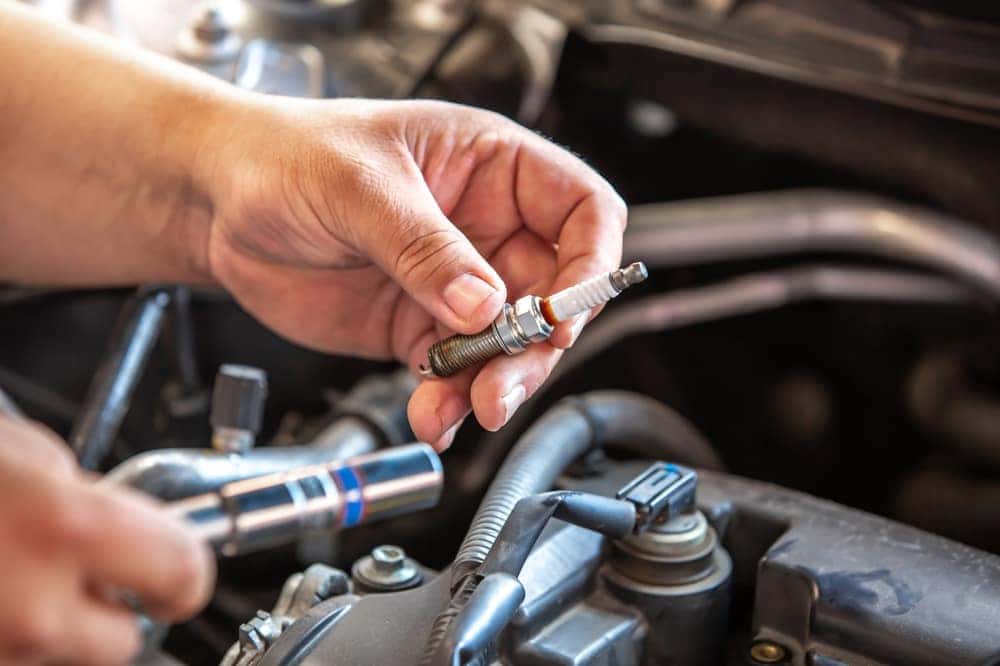
- Spark plug replacement
2) Use OEM Parts
Our service center only uses original equipment manufacturer (OEM) parts when performing car maintenance. For Buick and GMC, that means ACDelco.
Why are OEM parts important? They are the same exact parts that went into producing your car, truck, or SUV. If you have a shock or strut that needs to be replaced at 150,000 miles, our team will replace the original part with a brand-new one that was made by the same manufacturer.
Another reason why you should go with OEM parts is that they can keep your vehicle under warranty. If you decide to go to a service center that isn’t certified by GM, you could void your vehicle’s warranty.
Aftermarket parts, while cheaper, may not fit your vehicle exactly. They could also cause damage to your vehicle if they fail. And aftermarket parts do not have any warranty by the manufacturer. So, if something goes wrong, you may have to pay for the repair or replacement out of pocket.
You will have better peace of mind when you replace worn parts with OEM parts from the manufacturer. If we don’t have a part in stock for your vehicle, we can order it.
3) Use Full Synthetic Oil
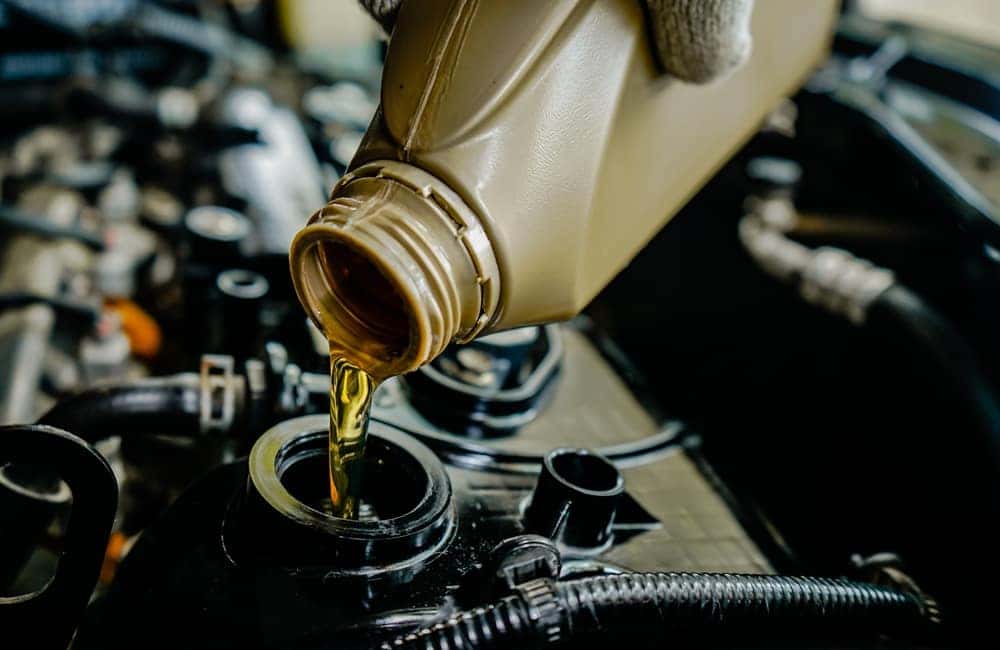
Around 75% of the gasoline-powered vehicles on the road today use full synthetic oil in their engines. This is due to turbocharged engines found in most new vehicles, and turbochargers require full synthetic oil to keep their fast-moving parts in top shape.
Some small parts of the turbocharger, like the turbine and compressor wheels, can move at 100,000 RPMs while generating lots of heat. Full synthetic oil keeps these parts in much better shape compared to conventional oil.
Other benefits of full synthetic oil include:
- Reduced friction, which reduces the heat in the engine.
- Better starting in the cold because full synthetic oil flows more easily at low temperatures.
- Longer life for the engine due to its superior lubricating properties.
- Additives, cleansers, and anti-oxidizers keep full synthetic oil cleaner for longer periods of time.
- Lack of impurities that reduce sludge build-up. Conventional oil isn’t as refined as full synthetic oil. Engine-killing sludge is more likely to form in the engine with conventional oil.
- Fewer oil changes with full synthetic oil. Yes, full synthetic oil changes cost more money upfront than conventional oil. However, you don’t have to change the oil as often. Conventional oil generally needs an oil change every 3,000 miles versus 7,500 miles for full synthetic oil. For every two full synthetic oil changes, you would have five conventional oil changes. Those extra costs add up. Plus, our service specials can help you save some cash on regular car maintenance like oil changes.
4) Regularly Wash and Wax to Protect the Paint and Undercarriage
You might not think that washing and waxing your car regularly–at least once a season–can protect your car’s condition. However, there are a few simple things you can do to keep your car’s value higher while keeping the exterior functioning great.
Dirt, grime, and road salt accumulate quickly, especially during harsh weather conditions, and these elements can corrode metal surfaces if left untreated. Washing your car regularly removes these harmful substances, preserving the integrity of your paint and preventing rust.
Definitely wash your car as soon as spring weather hits. Road salt can accumulate on the undercarriage, which can cause corrosion over time. Washing your car thoroughly, including the undercarriage, in March can remove any salt or grim that remains on parts.
You might see this residue as a white, thin, gritty substance against the metal parts of your car. Use a pressure washer underneath the engine and along the wheels, shocks, and struts to get all of the salt off.
Modern cars already have a strong paint job. Waxing your car adds an extra layer of protection to the paint. Quality car wax repels water, shields against UV rays, and guards against environmental contaminants like bird droppings, leaves, and tree sap.
Applying wax after washing creates a barrier that reduces fading and paint oxidation, maintaining your car’s glossy finish. This simple step saves money in the long run by preventing costly repainting or touch-ups.
Using proper tools and techniques during washes prevents scratches and swirl marks. Opt for a microfiber mitt and a pH-balanced car shampoo to gently remove dirt without harming the paint. Rinse the car thoroughly and dry it with a clean microfiber towel to avoid unsightly water spots, although water spots are not as big of a deal as road salt.
5) Fix Scrapes Promptly to Prevent Rust
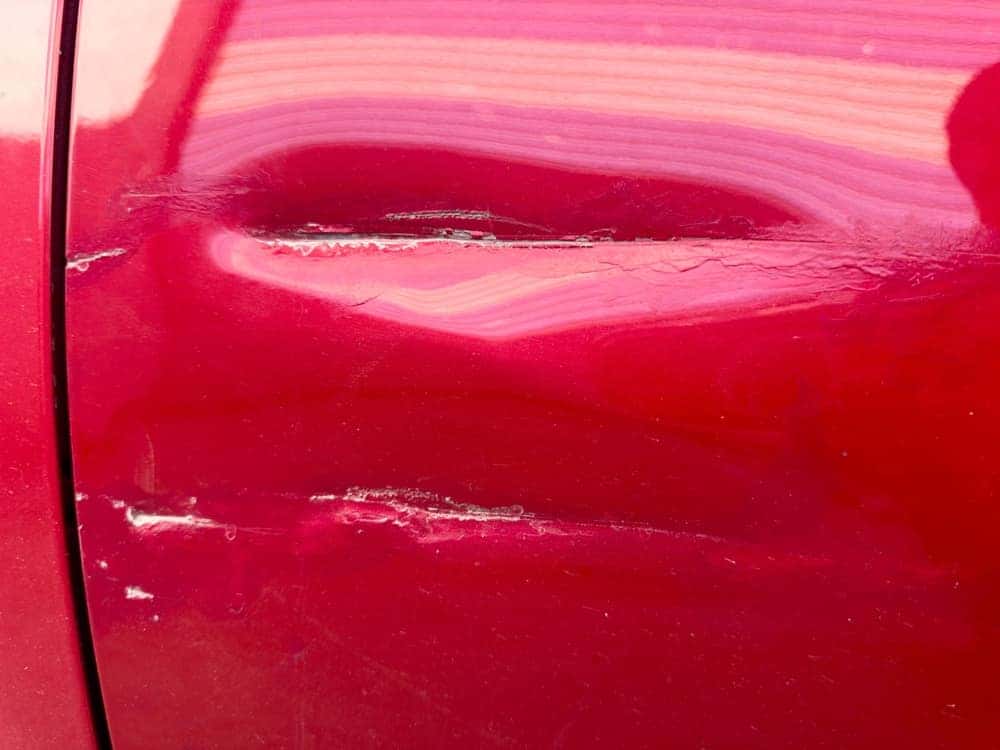
You’ve probably seen these before. A minor scrape on your door from a shopping cart or another car door. Someone’s key accidentally left a mark by the door lock. Putting your cargo carrier on top of the SUV accidentally left a mark due to the latches.
Small scrapes can lead to bigger problems later if you leave them untreated. That’s because if the scrape goes through all the paint layers, moisture can seep into the damaged area and rust the steel body of the vehicle.
Left untreated, rust compromises the strength of body panels and makes repairs more expensive. A quick fix with touch-up paint or a professional repair saves time and money while keeping your car in top shape.
Clean and dry the damaged area thoroughly before applying any DIY repair products. Removing dirt and debris ensures the paint adheres properly and creates a lasting seal. Sand the edges of the scrape lightly to smooth the surface, then use a primer if the damage exposes bare metal. Applying a matching touch-up paint restores the appearance and protects the area effectively.
For deeper scrapes or scratches, our body shop has highly skilled technicians to fill, sand, and repaint the area seamlessly. Your car, truck, or SUV will look great when our team finishes the repair job.
6) Accelerate and Decelerate Gradually
How you drive can make a big difference in the longevity and viability of engine parts. Rapid and sudden acceleration adds more stress to the engine and transmission, increasing wear over time. Smooth acceleration allows the engine to operate more efficiently. This means gradually increasing speed from a stop light and trying to pass on the highway.
Hard braking places excessive pressure on brake pads, rotors, and suspension components. Gradual deceleration not only extends the life of these parts but also improves fuel efficiency. Slowing down gently reduces the heat generated by friction, which prevents premature wear and maintains reliable braking performance.
Driving habits have another benefit aside from helping keep wear and tear at bay. Gradual acceleration and deceleration directly impact fuel economy because sudden shifts in speed cause parts to move more quickly. Gradual speed changes contribute to smoother gear shifts in both automatic and manual transmissions, reducing wear on clutch components and transmission gears.
Planning ahead while driving makes gradual acceleration and deceleration easier to achieve. Allow for safe following distances and anticipate traffic flow to minimize the need for sudden stops or rapid acceleration. You’ll also have a safer drive in addition to reducing wear and tear on these vital parts of the engine and brakes.

7) Drive Defensively
Gradually accelerating and decelerating are part of defensive driving. When you drive defensively, you increase your odds of avoiding an accident. Advanced safety features and GM’s SuperCruise technology help, but there is nothing that truly replaces human driving and taking proper precautions.
Defensive driving means focusing on the road, watching for unpredictable drivers, and adjusting to weather or road conditions as needed. These habits reduce the chances of emergency maneuvers that strain your car’s systems and compromise safety.
By anticipating potential hazards and reacting calmly, you avoid sudden stops, rapid acceleration, and unnecessary stress on your car. This approach minimizes wear on brakes, tires, and suspension while keeping you and your passengers safe.
Maintaining a safe following distance allows you to respond smoothly to traffic changes. Tailgating increases the likelihood of hard braking, which wears down brake pads and rotors quickly. A defensive driver observes traffic flow and adjusts speed gradually, reducing strain on vital components and improving fuel efficiency.
Monitoring blind spots and using turn signals consistently prevents accidents and reduces the risk of sudden impacts that damage your vehicle. Defensive driving includes checking mirrors frequently and scanning the road ahead for obstacles, giving you more time to adjust and avoid hazards. This proactive behavior helps maintain your car’s condition by avoiding collisions that require expensive repairs.
8) Look at the Tires Once a Week
We recommend looking at your tires once a week and then checking the tire pressure at least monthly. The easiest way to remember this is to look at the tires when you get gas.
A quick visual inspection identifies issues like uneven tread wear, cracks, or bulges, which may indicate underlying problems. Addressing these early prevents costly repairs to the wheels, struts, shocks, or brakes and reduces the risk of dangerous blowouts while driving.
During this visual inspection, check for embedded debris like nails or glass because these items can cause slow leaks that lead to flat tires. Prompt removal and patching of small punctures save you from unexpected roadside emergencies. Regular inspections also help identify alignment or suspension issues if wear patterns appear uneven. If you notice any of these issues, schedule service with our team, and we’d be happy to help.
Measuring tire pressure monthly improves fuel efficiency and extends tire life. Properly inflated tires reduce rolling resistance, which optimizes fuel consumption and enhances handling. Underinflated tires wear out faster on the edges, while overinflated ones wear down the center, both of which compromise safety and performance by changing how your tires grip the road. Your vehicle might not be able to stop in time if a tire is over- or under-inflated.
Examining tread depth helps you determine when you may need to get new tires. Worn-out treads reduce grip, especially on wet or slippery roads, increasing the chances of accidents. Use a tread depth gauge or the penny test to see if your tires have more than 2/32 of an inch of tread remaining. Replacing tires with insufficient tread creates better traction and keeps your vehicle roadworthy. We’d be happy to help you find new tires for your car, truck, or SUV.
Benefits of Regular Weekly Tire Checks
- Enhances safety by reducing the risk of blowouts.
- Optimizes fuel efficiency through proper inflation.
- Extends tire life by catching wear patterns early.
- Improves handling and braking performance.
- Provides better traction on wet or slippery roads.
- Detects alignment or suspension problems early.
- Prevents flat tires by identifying embedded debris.
- Saves money on repairs by addressing issues promptly.
- Increases comfort by maintaining smooth rides.
9) Monitor Vital Fluid Levels Weekly
Monitoring fluid levels plays a key role in vehicle longevity. Check the engine oil, transmission fluid, and coolant once a week when you fill up on gasoline. Check the brake fluid once a month.
Engine oil should be an amber color when it’s new. If you notice the oil level is too high or too low, it might be time for an oil change. Oil that is very dirty and has a dark brown or black color may signal that an oil change is in order. Many modern vehicles have an oil life indicator light on the dashboard that can tell you when it’s time to get fresh oil.
Transmission fluid is typically a translucent red color. If it’s dirty, the fluid will look dark red and less thick. Like oil, if the transmission fluid level is not where it should be, bring your vehicle in for service. Transmission fluid typically doesn’t need to be replaced until it reaches 50,000 miles or longer.
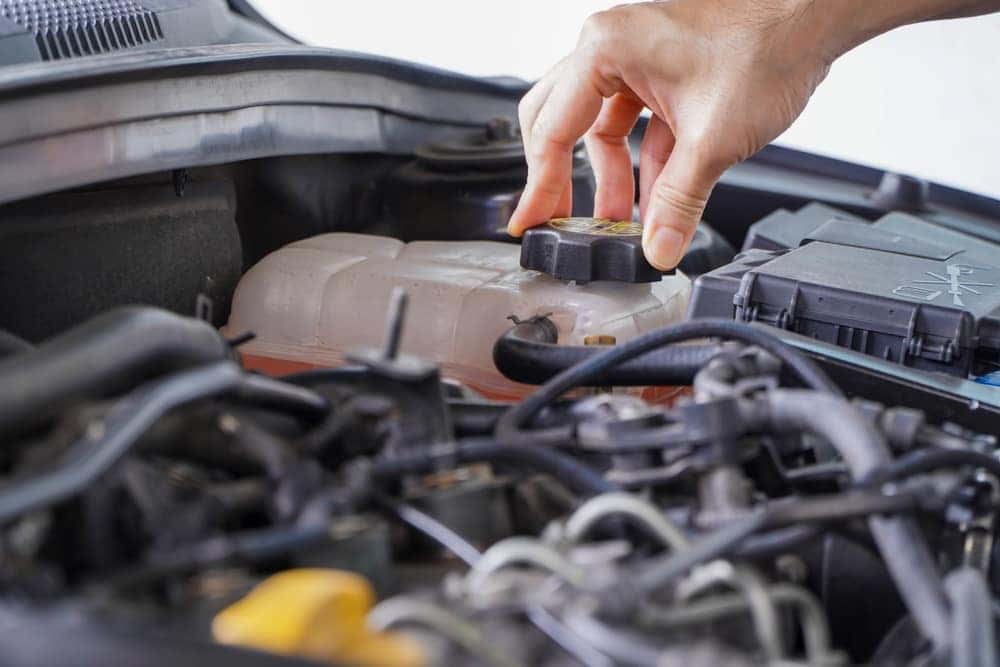
Coolant helps keep your engine from overheating or freezing. Looking at coolant levels with the reservoir when the engine is cool can help you see if the levels are where they should be. Take a look at the coolant in the reservoir, too, by removing the cap. Are there dirty particles floating in it? It might be time to get a coolant flush and fill.
Brake fluid and power steering fluid also require regular attention. Contaminated brake fluid compromises braking performance, while insufficient power steering fluid makes handling difficult.
Look at the windshield washer fluid every week so you’ll have the appropriate visibility for everyday drives. If it’s wintertime, consider replacing ordinary windshield washer fluid with de-icing fluid.
Every time you bring your vehicle in for a service appointment at Thompson Sales, our team performs a fluid check of every system to see if these vital fluids look great and are at the levels they need to be. If we notice anything that needs attention, we’ll let you know.
Benefits of Weekly Fluid Level Checks
- Prevents engine overheating and severe damage.
- Ensures proper lubrication of moving components.
- Reduces the risk of leaks or system failures.
- Promotes efficient vehicle operation under all conditions.
- Identifies contamination or degradation early.
- Saves money by avoiding expensive repairs or replacements.
10) Use the Correct Grade of Fuel
Using the correct grade of fuel protects your engine and optimizes your vehicle’s performance. Manufacturers design engines to run on specific octane levels, maintaining efficient combustion and minimizing engine knock. Choosing the recommended fuel grade prevents pre-ignition, which can damage pistons and other internal components over time. The preferred octane fuel for your vehicle is in the owner’s manual.
Higher or lower octane fuel than specified may harm engine performance. For engines requiring high-octane fuel, using regular gasoline leads to knocking, which stresses engine parts and reduces efficiency. Conversely, using premium fuel in an engine designed for regular gas wastes money without delivering performance benefits. Following the manufacturer’s guidelines helps your engine achieve optimal operation and prevents unnecessary wear.
Regularly using the proper fuel grade also supports better fuel economy and cleaner emissions. By optimizing combustion for the pistons, you enhance power delivery and reduce carbon buildup in the engine. Cleaner components lead to longer-lasting parts and fewer repairs.
Fuel additives can help keep your engine running properly if used correctly. Additives offer cleansing properties when it comes to fuel injectors while trying to prevent carbon build-up. Additives can also prevent gunk from forming in the gas tank and fuel lines, which can reduce performance. We recommend ACDelco’s fuel system treatment regimen for Chevy, Buick, GMC, and Cadillac vehicles.
11) Address Issues Promptly
As with anything in life, addressing issues promptly for your car, truck, or SUV is often the best way to prevent problems later. Addressing vehicle issues promptly protects your car’s integrity and prevents minor problems from escalating into costly repairs.
Unusual sounds, warning lights, or performance changes often signal underlying issues. Acting quickly to diagnose and repair these problems minimizes damage and helps your vehicle continue operating safely and efficiently.
Delaying repairs increases wear and tear on vital components. For example, ignoring brake squeaks can lead to rotor damage, and neglecting oil leaks may cause engine failure. Prompt attention reduces the risk of more extensive damage, keeping repair costs manageable and avoiding unexpected breakdowns.
Taking immediate action also enhances safety and reliability. A vehicle with unresolved issues may pose risks, such as reduced braking ability or engine overheating.
Contact Us for Top Car Maintenance in Springfield, MO
Our service center is one of the best in Springfield. Contact us, call (417) 763-6811, or schedule service with our team. We’re happy to help in any way we can!
0 comment(s) so far on 11 Ways to Extend the Life of Your Vehicle