


Are Used Electric Vehicles for Sale Worth the Investment?
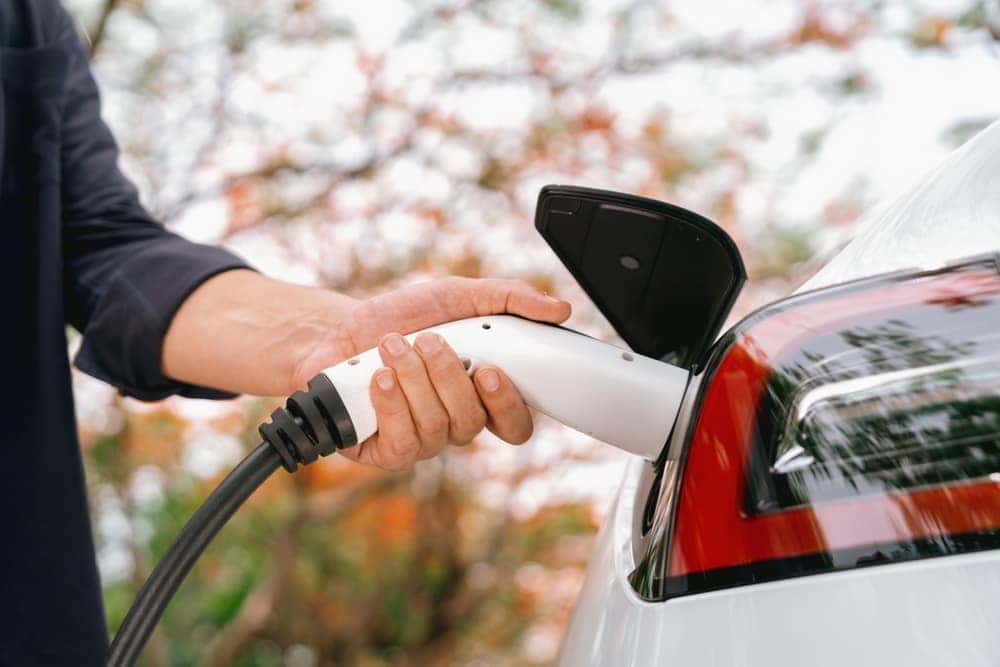
You’re seeing more and more electric vehicles on Springfield roads. From luxury models to more affordable options, EVs offer a way to lower your refueling and maintenance costs. They can also be powerful and luxurious, like the Hummer EV SUV and the GMC Sierra EV pickup truck. Gas prices are fairly affordable in Southwest Missouri compared to the rest of the United States. Yet, recharging an EV at home or with public charging stations is still cheaper than filling up with gasoline.
Even a used electric vehicle for sale can help you lower your overall costs of ownership. We’ll dive into whether or not a used electric vehicle for sale is worth your investment.
Why Do You Want to Buy an EV?
There are several reasons to invest in an EV:
- Lowering your refueling costs
- Lowering your maintenance costs
- Getting access to cutting-edge automotive features
- Lower prices due to government incentives
- Reducing dependence on foreign sources of oil
- Being more environmentally friendly by having a zero-emission vehicle
Whatever reason you want to buy an EV, it can be a valuable investment if you make sure the battery systems are in top shape.
EV Battery Warranty
The EV battery is probably the most important aspect of owning an EV. The federal government requires all new electric vehicles to have a minimum warranty of eight years or 100,000 miles. So, the first thing you need to do is assess how many miles are on the odometer. However, the mileage or years on the battery doesn’t tell the full story.

Watch for Diminished Battery Performance
Not getting the right cool breeze or hot air out of your vents? Test the functionality of the vents by opening, closing, and turning them.
It’s important to understand how an electric vehicle battery works. Many things can affect battery life in an EV:
Extreme heat and cold can shorten a battery’s life. If the ambient temperature is above 95 degrees Fahrenheit, it will shorten the range of an EV by 17%. Temperatures below 20 degrees Fahrenheit can decrease a battery’s range by 41% because drivers typically use the heat more. Decreasing the range leads to more charging, and more charging cycles can decrease the longevity of the battery.
EV batteries can last for 1,500 charge cycles, measured at 0% to 100% charge, based on current technology. So, it is highly recommended that an EV battery be kept at between 20 and 80% charge for the best results. Having a battery completely empty or full can lower its lifespan because of the charge cycles.
Regular use of DC Fast Charging (Level 3) can shorten an EV battery’s lifespan. That’s because this charging level can raise the internal temperature of a battery. High temperatures can lower the effectiveness of an EV.
Quick acceleration and deceleration could drain a battery faster. Draining a battery faster also leads to more charge cycles.
An engine diagnostic tool that mechanics use for gasoline-powered vehicles can also be used for EVs. This diagnostic tool can scan an EV’s battery health monitor to assess the health of the battery pack based on charging cycles and conditions in which charging cycles occurred.
So, before you purchase a used EV, running this diagnostic represents a great idea. That way, you can determine if the exact model you’re interested in is right for you. It’s also a good idea to see the service and maintenance history of the vehicle.
Are Used EVs Eligible for a Tax Credit?
Yes, some used EVs could be eligible for a federal tax credit. Certain conditions apply, according to the IRS:
- The price must be $25,000 or less.
- You must purchase the EV from a qualified dealer.
- Your adjusted gross income must be less than certain amounts.
- The vehicle model year must be two years old or older from the year in which you take the tax credit. For example, if you take the EV tax credit in 2025, the used EV must be 2023 or older.
- The vehicle must be for personal use.
The easiest way to get this tax credit is to transfer the tax credit to the dealer by signing a form at the time you purchase it. That will turn the tax credit into a discount on the retail price of the vehicle.
The credit equals 30% of the sale price up to a maximum credit of $4,000. So, that can save you a large portion of the cost of a used EV.
Hybrid and PHEV options
If you don’t want to invest in a full EV but still want to save on refueling costs, consider a hybrid or plug-in hybrid (PHEV). Both of these types of vehicles can get outstanding gas mileage, deliver more horsepower, and still make it easy to refuel your vehicle using traditional gasoline. Hybrid vehicles utilize both an electric motor and gasoline-powered engines.
A traditional hybrid uses an electric motor at low speeds and then switches to a gasoline engine at higher speeds. When the gasoline engine runs, it uses a small generator to charge the hybrid motor’s battery.
Meanwhile, a PHEV runs on electricity only for a certain number of miles, usually between 20 and 40, before switching automatically to the gasoline engine. If you have a short commute, you can drive to and from work without using a drop of gasoline. PHEV batteries need to be recharged at home overnight or at public charging stations, while refilling the gas tank at a gas station is still the norm.

Lower Maintenance Costs With EVs
Pure EVs have lower maintenance costs than gasoline-powered vehicles. That’s because electric vehicles have fewer moving parts. You won’t need to pay for new spark plugs, oil changes, new coolant, engine air filters, new drive belts, or transmission fluid changes.
You could save up to 50% on maintenance costs when owning an electric vehicle versus a gasoline-powered car, truck, or SUV. The most significant maintenance cost you need to worry about with an EV is a new battery pack. These could cost around $5,000. But even taking this cost into account, your maintenance costs could be lower than gasoline-powered vehicles.
Lower Refueling Costs With EVs
It costs around $500 to $700 to recharge an EV on average per year, depending on the location of the charging stations, the cost of electricity per kilowatt-hour (kWh), and the size of the battery pack. Meanwhile, it could cost between $2,000 to $2,500 per year to refuel your gas tank. The cost of refilling your gas tank depends on the size of the tank and the cost of gasoline per gallon. Gas prices can vary from state to state and city to city.
Another way to look at this figure is that it costs about 5 cents per mile, on average, to recharge your EV versus 13 cents per mile to refill your gas tank.
For full EVs, you can charge your electric vehicle at home or at public charging stations like the one at Thompson Sales. Public charging stations cost money, but the price is still cheaper than a gallon of gasoline.
Shop for a Quality Used Vehicle for Sale at Thompson Sales
All of our used vehicles are quality selections, including any EVs, hybrids, and PHEVs you might see on our lot from time to time. If you’re interested in a used vehicle for sale from our dealership, contact us or call (417) 763-6811 to schedule a test drive with our team. We’ll also answer any questions you have.
0 comment(s) so far on Are Used Electric Vehicles for Sale Worth the Investment?