


Electric Vehicles: A Comprehensive Guide for First-Time Buyers
We already have fuel-efficient vehicles on our lot. The 2024 Buick Encore GX gets 30/31 city/highway mpg with its 1.2L turbocharged engine. The 2024 Buick Envista achieves 28/32 city/highway mpg. Meanwhile, the 2024 GMC Terrain gives you 24/29 city/highway mpg.
What about a way to eliminate gas mileage by owning an electric vehicle?
Electric vehicles (EVs) have been gaining popularity among car buyers for many reasons. We’ve seen the overwhelming response to the Hummer EV time and again. We get one model in, and it’s sold in a week or two. If you see a new Hummer on our lot and you love it, don’t blink, or you’ll miss it.
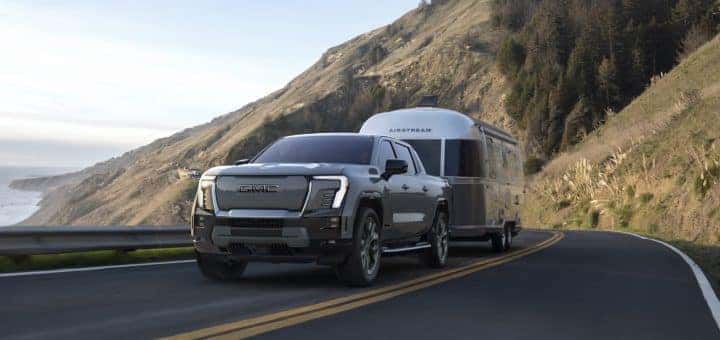
Supertrucks aside, first-time buyers looking to make the switch to an EV for everyday drives have several important factors to consider. We’re talking about this now because we expect the Sierra EV Denali Editions to come out in the summer of 2024. As of right now, GMC is taking reservations for them. Once they get production up and running, we may see some on our lot.
These pickups are awesome and powerful. GMC estimates 754 horsepower, 785 lb-ft of torque, and a range of 400 miles. Sound good? There are still things you need to know before you invest in an EV.
From understanding EV range to preparing your garage for charging, this comprehensive guide will cover everything you need to know before making your purchase as a first-time EV buyer. If you have any questions about the Sierra EV Denali Edition, let us know! Until then, keep reading.
Average Costs of an Electric Vehicle & Federal Incentives
Cost is a top consideration when investing in an EV. CarEdge notes that the average price of a new gasoline-powered vehicle was $47,401. Meanwhile, the average cost of an EV was $55,353. However, you can lower the price of an EV by $7,500 with federal incentives. That will put the average cost of an EV within $400 of the average cost of a new gasoline-powered vehicle.
Although nothing is official yet, GM expects the Sierra EV Denali Edition to achieve the full $7,500 EV tax credit from the federal government, according to Reuters. Starting in 2024, this means you can lower your price of select EVs by $7,500, making them more affordable. Talk to our finance center for more information about EV incentives.
What Is a Good EV Range?
Some of the best EVs on the market have been tested at 400 miles of range. The Sierra EV stands to get about that range, so it could be one of the top EVs on the market once people start driving it in Springfield.
GMC heard what consumers wanted. EV range is vitally important when considering the leap to an electric vehicle. How far an EV can go on one charge, akin to how far a gasoline-powered car, truck, or SUV can go on one tank of gas, directly influences your vehicle’s usability and convenience. The range of electric vehicles on the market today varies significantly. Some are made for daily commutes and get 100 miles per charge. Others are great for towing, hauling, or longer trips with 300 to 400 miles per charge.
How do you plan to drive with your EV? Do you just want to save gas on commutes to and from work? Do you love weekend getaways and summer vacations? Many electric vehicles, like the Sierra EV, have the range you need for any type of driving. As GM’s Ultium battery packs evolve and get more efficient and powerful, so too will the brand’s electric vehicles.
Charging Time: What to Expect
The charging time of an electric vehicle is another consideration for your daily drives. Electric vehicles can be charged in multiple ways, each offering different speeds.
Level 1 Charging Time
- Charged through a standard 120-volt outlet
- The most accessible charging type
- The slowest method
- 4-5 miles of range per hour of charging
- It may take 48 to 72 hours to charge fully from 0%
Level 2 Charging Time
- Requires a 240-volt supply, similar to an outlet for an electric oven or dryer
- Must be professionally installed by an electrician in your garage
- Chargers may cost around $500 before labor
- Fuel savings are still significant, even after installation
- Charge anywhere from 8 to 12 hours, depending on battery size and charging system
- Conveniently charge overnight in your garage
- You can find Level 2 charging stations in public, like the ones on our lot in Springfield.
Level 3 Charging Time: DC Fast Charging
- Public charging stations only
- Achieve 100 miles of range in as little as 30 minutes
- Public charging stations cost money, but they are still less expensive than gasoline.
One thing to note is that the time of day you choose to charge your EV can impact your experience and your costs. Charging during off-peak electricity hours can reduce costs but might require adjusting your schedule.
Planning your charging times around your daily activities, taking advantage of faster charging options when necessary, and being mindful of the electricity rates can enhance your EV ownership experience by ensuring your vehicle is ready when you need it. Regardless of the charging level you use, electricity is still cheaper than gasoline.
Costs of Electricity Versus Gasoline
Transitioning to an electric vehicle (EV) offers financial advantages, particularly when comparing the costs of electricity to gasoline. The cost of “fueling” an EV, essentially charging it, can be significantly lower than the cost of gasoline, especially when considering when gas prices go up due to global events, hurricanes in the Gulf of Mexico, or when coastal refineries shut down for maintenance or repairs. The volatility of gas prices will be a thing of the past with EVs.
With electric vehicles, drivers can expect a more stable and predictable cost of operation. Electricity prices tend to fluctuate less than gasoline prices, which can vary widely. This stability makes it easier for EV owners to budget their transportation costs.
Motor Trend noted in 2023 that the average cost to fully charge an electric pickup truck from another brand in the state of Missouri was $11.96. Imagine filling up your gas tank for $12. A GMC Sierra 1500 has a gas tank of 24 gallons. Multiply that by $3 a gallon for gas in Springfield. That’s $72 for a full tank. Even at $20 for a full charge for a Sierra EV, that’s spending nearly one-fourth of your gasoline costs! Your actual figures may vary.
Preparing Your Garage for an Electric Vehicle
Setting up your garage for an electric vehicle is a critical step in transitioning to EV ownership. The convenience of home charging can greatly enhance your electric vehicle experience, ensuring that your vehicle is always ready to go when you are.
Upgrading to a Level 2 charging station is highly recommended for faster, more efficient charging at home. This upgrade typically requires a 240-volt outlet, similar to what you’d use for a heavy appliance like a dryer or an oven. The charging station you’ll need generally goes on the wall, and it’s the only thing the charging box is used for.
You’ll need to hire a licensed electrician to assess and possibly upgrade your garage’s electrical capacity. An electrician can ensure that your home’s electrical system can support the additional load of an EV charger and adhere to local building codes and regulations. They can also assist with the installation of the charging station to make sure it’s done properly.
You can easily charge your EV overnight while you’re sleeping. You won’t even need to use public charging stations for jaunts around Springfield.
How Extreme Weather Affects EV Batteries and Battery Life
The performance and longevity of electric vehicle (EV) batteries are significantly influenced by the climate in which you drive the vehicle. In regions experiencing extreme heat, elevated temperatures can lead to accelerated battery degradation. The chemical reactions within the battery occur more rapidly in high temperatures, potentially reducing its overall lifespan and efficiency.
On the other hand, cold climates pose a different set of challenges for EV batteries. Low temperatures can temporarily decrease the battery’s range because the battery needs to expend additional energy to heat itself up for optimal operation, a process that doesn’t occur in traditional gasoline vehicles.
Extreme heat and cold also affect the range of the EV’s battery because it takes more electricity to run the air conditioner or heater. If you’re running your EV at home, consider starting it in the garage and running the heat or air conditioner for a couple of minutes before pulling out into the outdoor temperature.
Geotab gathered information on the optimal ambient temperature for EV battery effectiveness. It found that batteries are at 100% efficiency between 50 and 90 degrees Fahrenheit.
It’s also worth noting that the impact of temperature on EV batteries isn’t solely about the immediate surroundings. For instance, parking an EV in direct sunlight during a hot day or in an unheated space during winter can exacerbate the effects of temperature extremes.
Manufacturers are continuously working on improving EV battery technology to make them more resilient to temperature extremes. Many modern EVs come equipped with thermal management systems designed to maintain the battery’s temperature within an optimal range, thus enhancing performance and extending its life under various weather conditions.
When shopping for an EV, understanding the effectiveness and type of thermal management system used can provide valuable insight into how well the vehicle will perform.
The Warranty on EV Batteries: What You Need to Know
As you might expect, EV batteries aren’t cheap. They’re one of the most expensive components of the electric vehicle. One of the requirements set forth by the federal government is that manufacturers have 8-year, 100,000-mile warranties on EV batteries. California requires a warranty of 10 years and 150,000 miles, according to CarEdge.
Some experts, notes U.S. News & World Report, state that EV batteries can last 200,000 miles or more. The trick is that you have to drive your EV efficiently. There isn’t a lot of data to support these mileage figures just yet because there haven’t been enough EVs driven for many years just yet. There will be more solid information from independent research in a few years.
Lower Maintenance Costs Compared to Gasoline-Powered Vehicles
One of the standout benefits of electric vehicle ownership is the significant reduction in maintenance costs when compared to traditional gasoline-powered counterparts. This cost efficiency stems from the inherent simplicity of EVs’ design.
Electric vehicles are powered by an electric motor, which dramatically decreases the number of moving parts and the complexity of the vehicle’s drivetrain. Without the need for a combustion engine, transmissions, exhaust systems, and many other components that are susceptible to wear and tear, EVs avoid a myriad of potential repairs and replacements.
The National Auto Dealers Association (NADA) says that in five years, EV owners can expect to pay $300 less in vehicle maintenance costs because EVs have fewer moving parts. You won’t need oil changes, new spark plugs, or fuel filters. However, we do recommend regular tire rotations because EVs tend to be heavier than gasoline-powered vehicles.
Additionally, regenerative braking systems in EVs reduce brake wear, extending the life of brake pads and rotors and further lowering maintenance costs. Prepare for regular maintenance such as tire rotations, cabin air filter replacements, brakes, the 12-volt battery, and the eventual replacement of the propulsion battery, though the latter is a long-term consideration given the durability and warranty coverage of modern EV batteries.
When Will GMC Make More Electric Vehicles?
GMC plans to make more EVs in the future as battery technology improves. The CEO still plans to make GMC fully electric by 2023, according to the Detroit News. There is a rumored plug-in hybrid (PHEV) version of the GMC Sierra in development, notes Motor Trend. A PHEV will give you flexibility when charging at home for short drives and using the gasoline engine for long drives.
Experience the Thompson Sales Difference
Are you still interested in an electric vehicle from GMC? We’re happy to help! Contact us or call (417) 866-6611 to schedule a test drive with our team.
0 comment(s) so far on Electric Vehicles: A Comprehensive Guide for First-Time Buyers