


Stay Ahead of Danger: A Comprehensive Guide to Defensive Driving
We want you to get the most out of your driving experience with a Buick or GMC vehicle from Thompson Sales. Whether you favor daily commutes from Ozark to Springfield or love taking family trips to exciting new places, driving carefully and safely helps you to arrive on time and without incident.
Read our complete guide to defensive driving so you can develop great driving habits for life after buying your new vehicle in Springfield, MO.
Table of Contents
- What Is Defensive Driving
- Hazard Perception
- Risk Assessment
- Space Management
- Visual Scanning
- Situational Awareness
- Emergency Maneuvers
- Safest Cars for Sale at Thompson Sales
- Test-Drive a New Vehicle in Springfield, MO
What Is Defensive Driving?
Defensive driving involves preventing accidents by anticipating potential hazards and taking proactive measures to avoid hazards that could cause an accident. Defensive driving means being fully aware of your surroundings, maintaining a safe distance from other vehicles, and adjusting your driving to road conditions, weather, and the behavior of other drivers. The goal is to reduce risks while you’re on the road, even the risks posed by other drivers or pedestrians.
You can train yourself to react to unexpected situations when driving, such as sudden stops, reckless drivers, or hazardous conditions like rain or fog. Key things to remember include scanning the road ahead, minimizing distractions, and having a plan if things go wrong. Think of defensive driving as playing a sport. The more you practice, the better you become at it until it’s second nature.
Hazard Perception
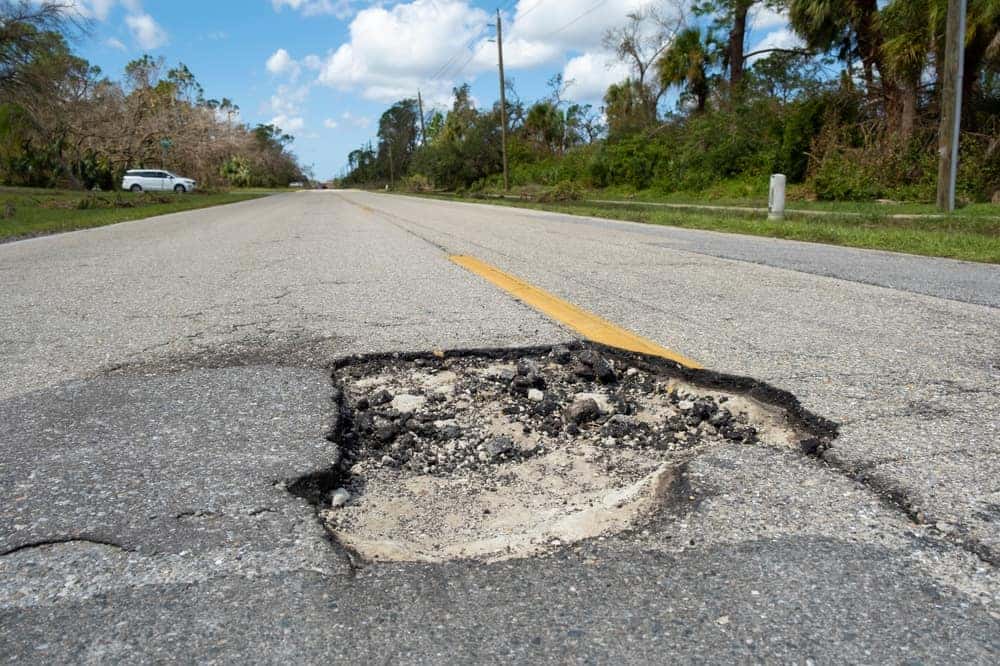
Use hazard perception to identify and assess potential hang-ups on the road before they pose an immediate danger. You already pay attention on the road. Perceiving hazards means giving you more time to react appropriately to avoid danger.
Hazards to watch out for include other vehicles, pedestrians, cyclists, debris in the road, and changing road conditions. For instance, you see a car in the next lane swerve slightly or a pedestrian waiting to cross a busy street. You can then prepare for any sudden changes in traffic flow. You could slow down or adjust lane position to help reduce the likelihood of an accident.
Risk Assessment
Risk assessment is slightly different from hazard detection. This is where you evaluate potential dangers on the road and determine the likelihood of those hazards causing an accident. You can figure out what items to pay attention to and which ones you don’t have to watch as much.
You must consider various factors, such as the speed and behavior of surrounding vehicles, weather conditions, and road layout. You could also assess pedestrians and any animals nearby. For example, approaching a sharp curve at high speed or driving in foggy conditions presents higher risks. By recognizing these risks early, you can adjust their speed, increase the following distance, or change lanes to improve safety.
Let’s say you notice a small animal moving on the side of the road, but you also notice the headlights of an oncoming vehicle around a curve. Should you swerve to potentially avoid hitting the animal? Or do you risk hitting the animal to avoid possibly swerving into oncoming traffic?
Space Management
Maintaining adequate space around your vehicle allows you to have a buffer zone to react to sudden changes in traffic conditions.
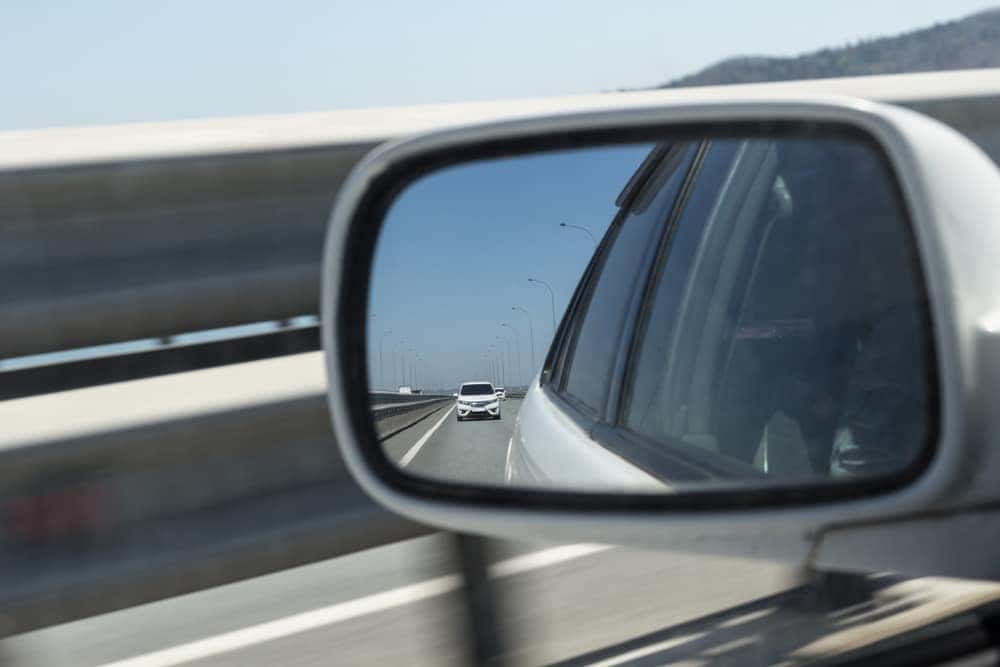
Effective space management includes maintaining a safe following distance from the vehicle ahead so you can adjust to any sudden changes. It also involves trying not to stay in someone’s blind spot for too long when passing or being passed.
If you see a vehicle approaching from behind and coming in fast, consider slowing down or changing lanes (if warranted) to let the driver by. If someone happens to match your speed exactly when passing, think about slowing down so that you aren’t in the driver’s blind spot.
Visual Scanning
Visual scanning means glancing around to the back and sides to make sure you are not near anything that could cause an accident. Look at the road ahead mostly, but also use a quick glance to see traffic behind you with your mirrors. Then, see what’s going on to the sides with your peripheral view.
When looking ahead, look far down the road to anticipate upcoming changes, check mirrors to monitor the positions of other vehicles, and scan the sides of the road for potential hazards like pedestrians, animals, or cyclists. The goal is to spot potential hazards well in advance before they become hazards.
Don’t spend too much time glancing at one area. Spend a few seconds looking ahead, then behind, and then to the sides. You don’t have to shift your head very much. Just move your eyes to see each area as you drive forward.
Situational Awareness
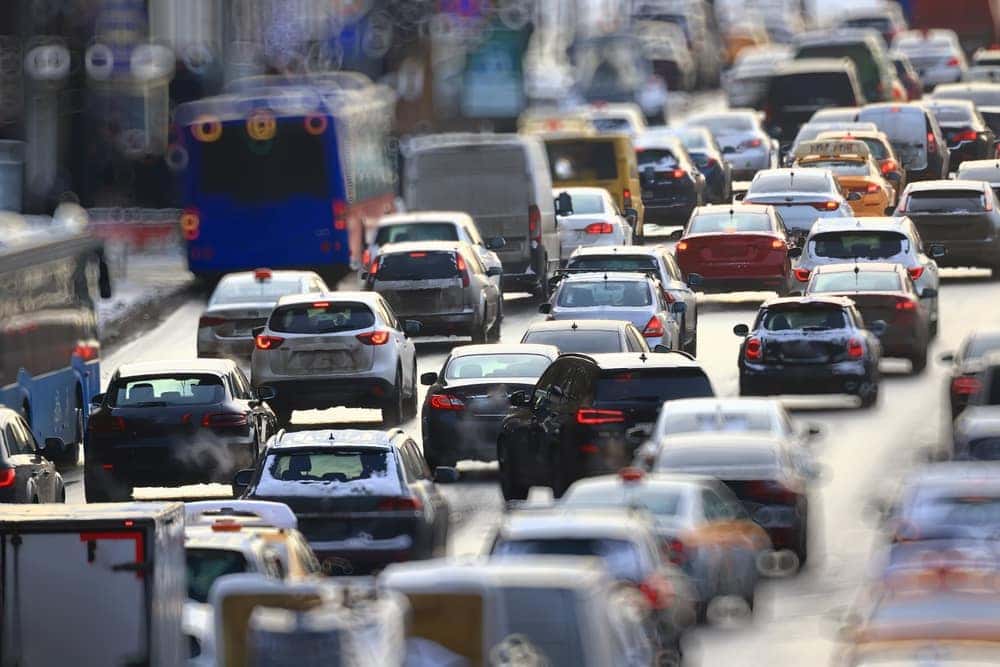
Situational awareness occurs when you’re tuned into everything happening around you so you can anticipate potential issues before they become serious problems.
Think of situational awareness as a football play that combines all aspects of defensive driving. Before the ball is snapped, you, as a player on the field, need to identify any hazards to your progress, assess the risks of moving in one direction or another, manage the space between you and the other players, and visually scan the field. Once the ball is snapped to the quarterback, everything comes into focus as the play begins.
It starts by scanning your surroundings, from the behavior of other drivers to the condition of the road. Notice subtle cues like a car’s brake lights flickering or a pedestrian eyeing the crosswalk. If you see a vehicle swerving or a cyclist moving erratically, your heightened awareness lets you adjust your speed or position because you noticed these things before the vehicle or bicyclist moved. You’ll become a master of anticipation when you hone your situational awareness.
Emergency Maneuvers
Practicing defensive driving hopefully means you never have to take sudden action. But sometimes, you may have to make emergency maneuvers. Think of these as quick reflexes that enable you to avoid an accident. Yes, there are advanced safety features that can help with this. But you still need to be prepared and in control.
To master emergency maneuvers, practice rapid braking, emergency lane changes, and evasive steering. For example, if a vehicle unexpectedly cuts into your lane, knowing how to quickly and safely maneuver into an open lane can prevent a collision. In practice, you’ll need quick thinking and practiced responses to make sure you avoid an accident.
Practicing these skills can happen in a number of ways. Consider a large, empty parking lot or taking a defensive driving course. Empty stretches of road or a long driveway can also work. Just be careful!
Safest Cars for Sale at Thompson Sales
The Buick Envision frequently achieves five-star ratings from model year to model year, according to the National Highway Traffic Safety Administration (NHTSA). The 2023 version received a five-star overall rating. The 2024 Buick Encore GX also scored five stars, as did the 2024 Buick Enclave for the automaker’s advanced safety features.
For GMC, the Sierra 1500 pickup truck achieved a five-star rating from the NHTSA. The GMC Terrain SUV followed suit with its five-star mark. The NHTSA is the premier crash-test agency in the United States.
Test-Drive a New Vehicle in Springfield, MO
Thompson Sales has been in business for more than 105 years as a family-owned and family-operated car dealership in Springfield, MO. We’d love to put you behind the wheel of your dream car!
Contact us or call (417) 763-6811 if you have questions or want to take a test drive with our team.
0 comment(s) so far on Stay Ahead of Danger: A Comprehensive Guide to Defensive Driving