


How to Select Your New Vehicle’s Interior and Exterior Colors
Shopping for a new vehicle for sale isn’t easy. You have a budget to consider, and you want to find the best deal for a new vehicle or quality used model. Plus, there are so many options out there. One selection you need to make is the color you want your car, truck, or SUV to be. Our guide covers how to select your new vehicle’s interior and exterior colors. You might find that your options aren’t as limited as you think.
Most Popular Car Colors
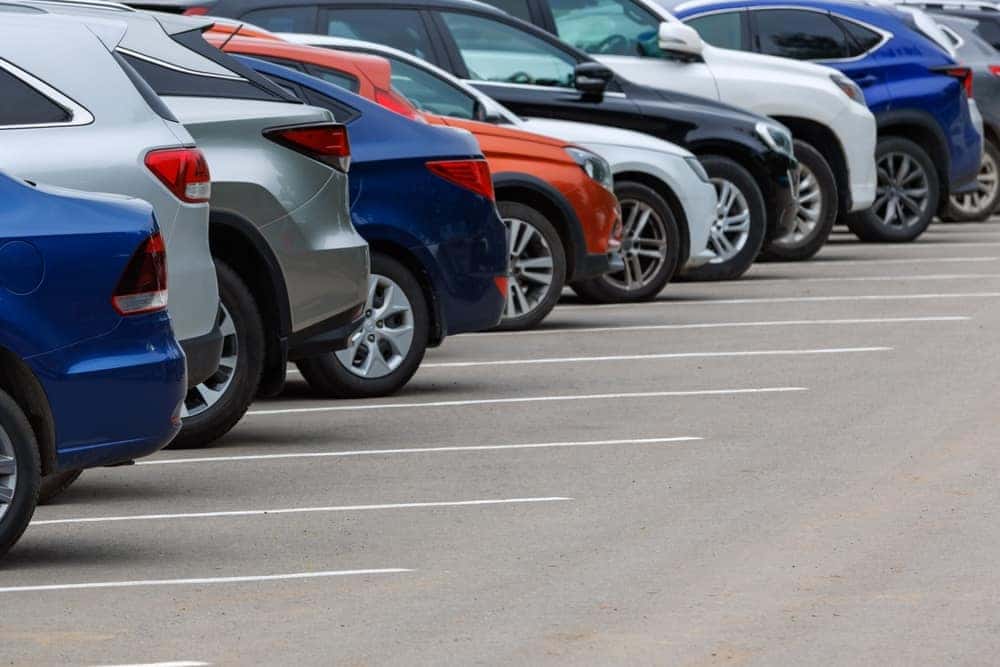
As of 2024, going into 2025, Kelley Blue Book reports the most popular exterior car colors are white, black, silver, and gray, in that order. As many as 80% of people who purchase new vehicles buy ones with these colors. These are neutral hues, in general, while silver adds a touch of class. White keeps things cool because the lighter shade doesn’t absorb as much heat compared to darker colors.
However, don’t let these popular colors limit your choices. Some higher trims of vehicles have special paint color options that stand out from the crowd. You might find some greens, yellows, traditional red shades, and sparkling blue colors on Springfield roads. If you want an entirely new paint job on your car, our body shop can accommodate you.
Interior Colors
Do you want to match, complement, or contrast the exterior color of your chosen vehicle? Interior colors give you a chance to do that. There are a few ways to find out which color meets your aesthetic taste.
Matching or complementing the exterior creates a cohesive look while contrasting colors can add a bold, unique flair. For instance, a white car pairs well with black, beige, or even red interiors, depending on the mood you want to evoke.
Focus on practicality when selecting colors. Lighter shades like cream or beige create an open, luxurious feel but can show stains and dirt more easily. Darker tones, such as black or dark gray, hide wear and tear but may make the space feel smaller. Keep in mind that darker shades, while easier to clean, will absorb sunlight and turn it into heat more readily versus lighter colors.
Use accent colors, stitching, or trims to reflect your personality without overwhelming the space. For a timeless look, stick to neutral tones and classic finishes. If you prefer a modern edge, experiment with bold hues or metallic accents.
Test swatches or view samples under different lighting to ensure the chosen colors match your vision and enhance your driving experience. We can show you several color palette options with some samples.
Interior Materials
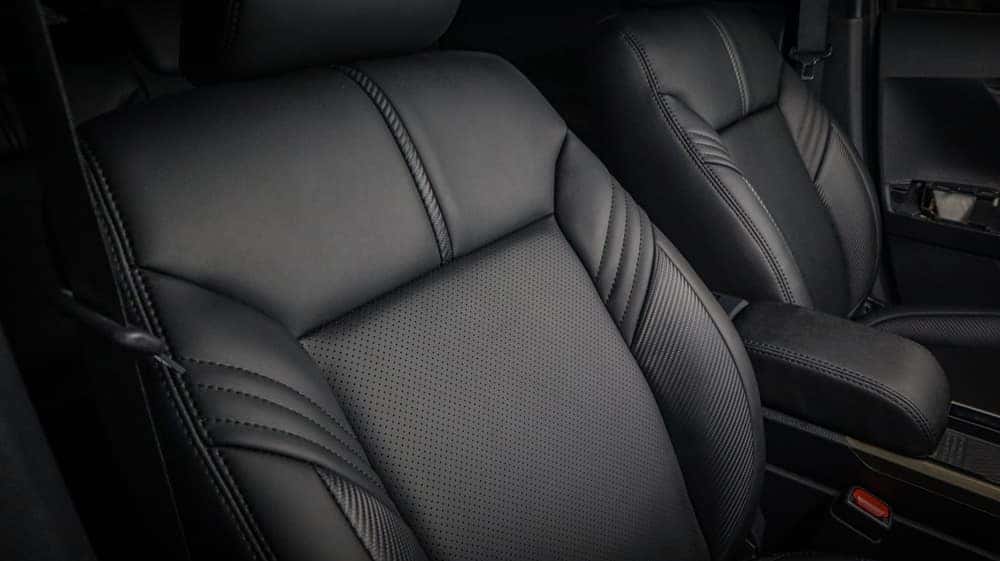
Choosing the right interior materials for your car should balance durability, comfort, and style. Consider your lifestyle. Families with children or pets may prioritize durable and easy-to-clean materials like synthetic leather or treated fabrics. If you prefer a more luxurious feel, consider leather.
Leather offers a luxurious feel and long-term durability but can be expensive and may require more maintenance. There are also various types of leather styles. Some are more luxurious than others. Perforated or ventilated leather is often cooler because of the small yet stylish holes in the leather that allow air to flow through the material.
Cloth or fabric upholstery is more affordable and versatile. It’s usually more comfortable in the heat and cold because cloth is less susceptible to temperature changes. However, cloth may be less resistant to stains or wear. Consider microfiber cloth for a very soft feel.
Don’t forget about your aesthetic preferences. Textured fabrics add a casual, cozy feel, while smooth leather or Alcantara adds sophistication. Look for trim and accents that meet your aesthetic tastes.
Exterior Colors
Selecting the right exterior color is similar to selecting the interior color. What type of vehicle do you want? How does the color complement its design? Sleek, sporty cars often shine in bold shades like red or metallic blue, while larger SUVs or trucks look rugged in neutral tones like gray, black, or white.
Think of the practical implications of your choice. Light colors, such as white or silver, reflect sunlight and help keep the car cooler in warm climates while hiding dirt and scratches better. Darker colors like black or navy blue offer a sophisticated look but may require more frequent cleaning and show imperfections more easily. How often do you plan on washing your car? Having a dark-colored vehicle might mean monthly car washes compared to a lighter-colored model.
Choose a shade that reflects your personality and long-term preferences. More popular colors tend to have a higher resale or trade-in value. Bold colors may lower the value but stand out from the crowd.
Resale Value and Color
Neutral colors tend to retain better resale value. These colors are often considered “safe bets” and tend to maintain higher resale value because of their universal appeal.
Meanwhile, unique shades like green, yellow, or orange can make your car stand out but may appeal to a narrower audience. These shades appeal to a more niche market.
We’d be happy to show you what colors we have on our lot for your preferred model. Our team can also help you find the right color option for you.

How do dirt, grime, and pollen appear on different car colors?
Dirt, grime, and pollen appear differently in various car colors due to contrasts in visibility. Regular washing and waxing can help mitigate pollen, dirt, and grime on vehicles.
Dirt and grime are highly noticeable, especially dark stains like mud or grease, on white cars. Pollen, however, may blend in, especially if it’s a pale yellow or greenish hue, making it less obvious at a glance.
Dust, pollen, and water spots are incredibly visible on black paint. Even light layers of dirt give the car a dull, unkempt appearance, and pollen creates a noticeable haze.
Gray and silver shades are excellent at masking dust and grime. Pollen may still be visible in certain lighting but generally less so compared to black. Their neutral tone makes them forgiving of most everyday dirt and dust.
Dirt and grime can be moderately visible in red, light blue, or bright colors, depending on the color’s intensity. Bright or bold colors like red and blue highlight pollen more than neutral tones, especially when the coating is shiny.
Lighter greens and yellows will make dirt and grime show up more prominently, while pollen blends more into yellows. Dark green doesn’t highlight dust and dirt but highlights the lighter colors of pollen.
Locate the Right Color Combination for You
Thompson Sales is happy to help you find your dream car, truck, or SUV. If you can wait a few months, we can help you place a custom order with the factory. We can also locate a vehicle that meets your needs with our vehicle finder service.
Contact us or call (417) 763-6811 if you have questions or want to take a test drive at Thompson Sales.
0 comment(s) so far on How to Select Your New Vehicle’s Interior and Exterior Colors