


Used Vehicle Depreciation Explained in Detail
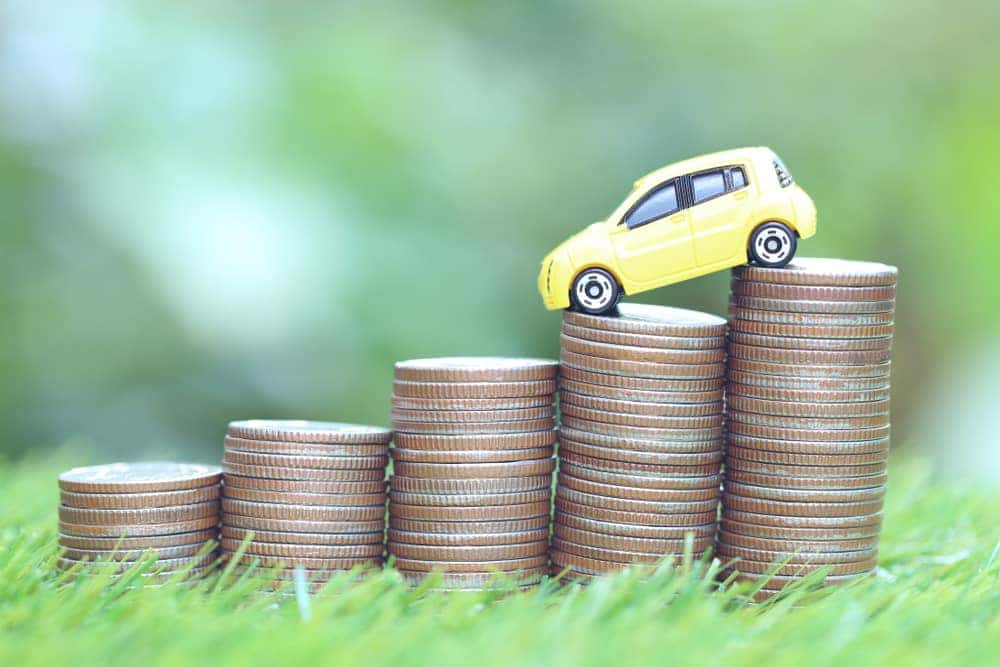
When browsing our inventory of used vehicles for sale, you’ll notice that some cars, trucks, and SUVs have varying prices. You might even see slight price differences between two models that have the same production year and trim. The reason for these differences comes from many factors, including the age, mileage, features, and the popularity of the vehicle.
One thing remains the same for all used vehicles for sale on our lot: they are always lower in price compared to when they were new. This is called depreciation, which we explain in detail in this guide.
What Is Depreciation?
Depreciation refers to the gradual decrease in a vehicle’s value over time. As soon as someone buys one of our new models and drives it off the lot, it loses value because the dealership no longer has control over the vehicle’s condition.
A vehicle’s depreciation continues throughout its life simply because the car, truck, or SUV’s parts will wear out at some point and need to be replaced.
How Much Does the Average Car Depreciate?
The average new vehicle loses 20% of its value by the end of the first year of someone owning it. So, if you buy a new vehicle at $30,000 in January 2025, expect it to be worth around $24,000 in January 2026. Remember, this is just a generalized figure. The actual depreciation depends on several factors, which we will discuss later in this guide.
After five years, the average vehicle is worth around 40% of its value when it was new. So, that same vehicle at $30,000 in January 2025 would be worth $12,000 in January 2031, losing $18,000 after five full years on the road.
After five years, the value of a vehicle slows dramatically. In general, it may lose 10% of its value per year.
Why Do Cars Depreciate So Much So Quickly?
Several reasons contribute to a vehicle’s value depreciating so much in the first year.
- Not a “New” Vehicle Anymore. As soon as the first owner drives it, the vehicle is now a used model.
- New Automotive Technology. When the next model year comes out, there is newer technology found in cars compared to previous years. Therefore, those newer features might be more popular with shoppers.
- Wear and Tear. The first year of a vehicle’s driving often leads to the highest rate of wear and tear on the engine. A new vehicle hasn’t been driven for an appreciable amount of time yet. The engine parts run more with the first year, and are more susceptible to the environmental conditions, temperature changes, acceleration, and braking on a regular basis.
- Ample Supply of New Vehicles. Manufacturers always produce plenty of new vehicles when the next model year comes out. This can drive down the demand for used cars.
- Value Factored Into Leases. A two-year lease on a vehicle factors in the depreciation of the used model when it is returned to the dealership.
- Dealer Fees. The final price someone pays for a new vehicle includes dealer fees,and a destination fee. These are factored into the auto loan or lease. Used vehicles don’t have these fees, so the value of the vehicle is less.
What Factors Influence a Vehicle’s Depreciation?
These main factors contribute to how much a vehicle depreciates over time:
- Age. Newer cars depreciate more of their value in the first few years. Depreciation slows down after that.
- Mileage. In general, the more mileage on an engine, the less value a vehicle has if all other things are equal.
- Condition. Well-maintained cars will be more valuable than ones that are not in good shape.
- Brand. Some brands retain more of their value than others based on the reputation of the automaker.
- Model. Various models within a brand will keep more value over time.
- Features. A car, truck, or SUV with more features on it will have a higher value.
- Popularity and market demand. An example of this would be fuel efficiency if gas prices are high. If gas prices go up, fuel-efficient vehicles tend to be more popular and will retain more of their value.
- Accident history. A vehicle that has been in an accident will have less value because shoppers tend to buy used vehicles for sale that have no accidents on the vehicle history report.
How to Slow Your Vehicle’s Depreciation
You can slow your vehicle’s depreciation in several ways.
- Choose a Brand With Higher Resale Value. Reliable and luxury brands typically have higher resale values. Look for these brands when purchasing a used vehicle on our lot.
- Keep Average Annual Mileage Low. The average American drives 12,000 to 15,000 miles per year. Drive fewer miles if you want to keep your engine in better condition and raise the resale value.
- Keep Up With Regular Maintenance. Follow the right maintenance schedule for your vehicle with oil changes, tire rotations, fluid top-offs, and brake checks.
- Avoid Aftermarket Add-Ons. Buyers generally prefer stock vehicles rather than ones with aftermarket upgrades added later.
- Clean Your Vehicle Regularly. Once-a-season car washes and complete interior cleanings can maintain your vehicle in great condition on the outside and inside.
- Park in a Garage. Parking your vehicle in a garage can prevent degradation due to sunlight and extreme temperatures over time.
- Avoid Accidents When Possible. You can’t predict or prevent accidents caused by other drivers. But you can put yourself in a better position to avoid accidents, like driving defensively. Advanced safety features can also help prevent collisions on the road.
Used Vehicles for Sale in Springfield, MO
Thompson Sales is happy to help you find your dream car, truck, or SUV. Talk to us about finding a great deal on an outstanding vehicle. You can look over our new vehicle specials or used vehicle specials to see some models with lower prices.
Contact us or call (417) 763-6811 if you have questions or want to take a test drive at Thompson Sales.
0 comment(s) so far on Used Vehicle Depreciation Explained in Detail