


Is Your Car Overheating? Follow These 10 Steps to Keep Your Cool
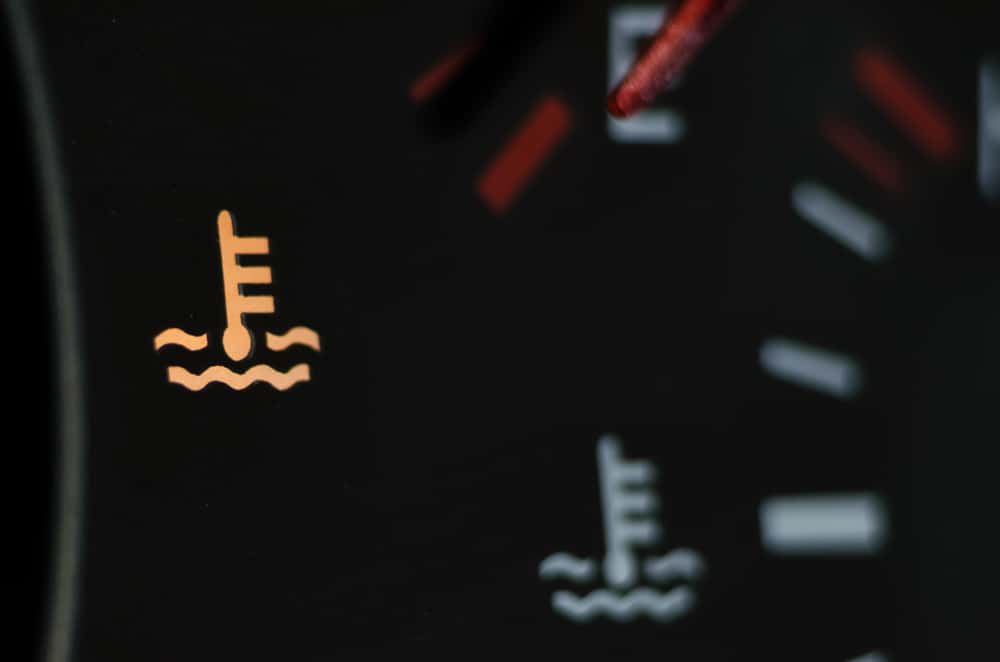
Car overheating never bodes well, but when your temperature gauge suddenly spikes, being prepared makes all the difference. An overheating engine can lead to serious damage if not handled properly.
By learning what to do in these situations, you can stay safe and protect your vehicle. That’s why Thompson Sales in Springfield, Missouri, is here to share our maintenance insights. Keep reading to discover ten essential steps to safely navigate your car overheating.
Step 1: Turn Off the Air Conditioning and Turn On the Heater
When your car begins to overheat, the first thing you should do is turn off the air conditioning. Running the AC places additional stress on the engine, exacerbating the overheating problem. Instead, turn on the heater at full blast. While uncomfortable, this helps draw excess heat away from the engine and into the cabin. This gives your cooling system a chance to recover.
Step 2: Pull Over Safely During Car Overheating
As soon as it’s safe, pull over to a secure location. Continuing to drive with an overheating engine can cause irreversible damage. Look for a rest area, parking lot, or wide shoulder where you can stop without endangering yourself or others.
Step 3: Turn Off the Engine
Once you’ve pulled over, turn off your car’s engine immediately. This prevents further overheating and allows the engine to begin cooling down. Be cautious about opening the hood right away—steam and heat could pose a safety risk.
Step 4: Wait for the Engine to Cool
Give your engine time to cool down completely before attempting any further actions. Depending on how hot it got, this could take anywhere from 30 minutes to several hours. Avoid touching any components under the hood during this period.
Step 5: Check Coolant Levels
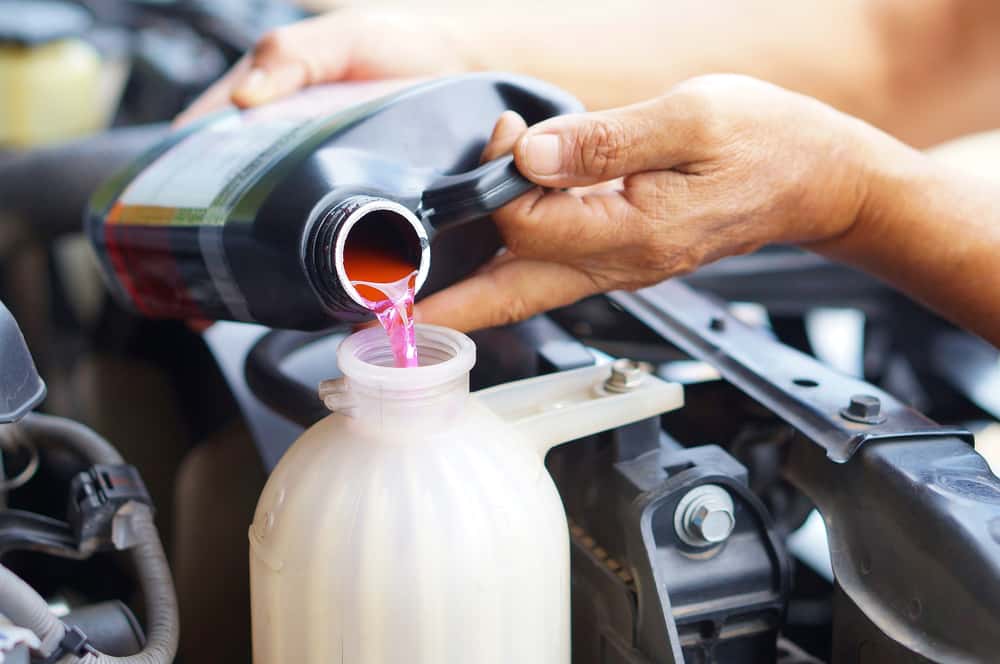
After ensuring that your engine has cooled down, check your coolant levels. Locate the coolant reservoir near the radiator and inspect whether it’s low or empty. If coolant is needed, carefully add it according to your vehicle’s specifications. Avoid using cold water directly in a hot radiator, as this could cause thermal shock and damage.
Step 6: Inspect for Leaks
While checking coolant levels, inspect under your vehicle for signs of leakage. Puddles of coolant or water could indicate a problem with hoses, seals, or other cooling system components.
Step 7: Restart and Monitor
Once you’ve added coolant and checked for leaks, restart your engine cautiously. Keep an eye on the temperature gauge to ensure it stays within normal ranges. If overheating persists despite these actions, do not continue driving.
Step 8: Avoid Risky Actions
There are several things you should avoid when dealing with an overheated engine. Here are some essential steps to follow.
- Do not open the radiator cap while the engine is hot; pressurized steam can cause severe burns.
- Do not pour cold water into a hot radiator.
- Do not ignore warning lights or unusual sounds coming from your engine.
Step 9: Call for Assistance
If you’re unable to resolve the issue or suspect significant damage, call for help. Your insurance or AAA service may include roadside assistance. A professional mechanic will be able to diagnose and repair any underlying problems with your cooling system or engine.
Step 10: Prevent Future Car Overheating
Preventative maintenance is key to avoiding overheating incidents in the future:
- Regularly check coolant levels and top off as needed.
- Inspect hoses and belts for wear and tear.
- Follow your vehicle manufacturer’s recommended maintenance schedule.
- Ensure that your radiator is clean and functioning properly.
Why Is My Car Overheating?
Now that you know what to do, let’s understand what causes engines to run hot. Understanding why cars overheat is essential for preventing breakdowns and costly repairs. The causes of overheating often stem from issues within the cooling system, engine components, or fluid levels.
Low Coolant Levels
Coolant regulates engine temperature by absorbing heat and transferring it to the radiator for cooling. Low coolant levels, often caused by leaks in hoses, the radiator, or the water pump, can disrupt this process. Regularly checking and topping off your coolant can prevent this issue.
Faulty Thermostat
The thermostat controls the flow of coolant between the engine and the radiator. If it becomes stuck or fails mechanically, coolant may remain trapped in the engine, causing temperatures to rise rapidly. Signs of a malfunctioning thermostat include bloated hoses and unusual temperature gauge readings. If you need a new thermostat, the Thompson Parts Department is happy to order and install your new equipment!
Failing Water Pump
The water pump circulates coolant throughout the engine and cooling system. A failing pump—due to worn bearings, impeller damage, or leaks—can halt coolant flow, resulting in overheating. Grinding noises or visible coolant leaks near the front of the engine often indicate water pump problems.
Radiator Issues
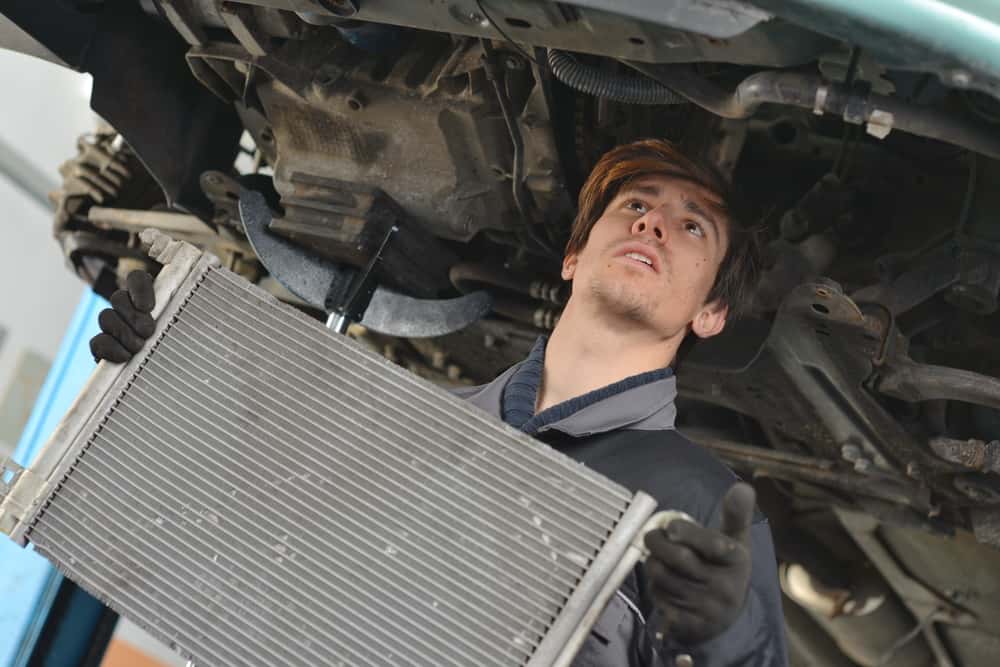
The radiator is responsible for dissipating heat from the coolant. Problems such as clogged fins, physical damage, or malfunctioning radiator fans can hinder its ability to cool effectively. Blockages from debris like leaves or plastic bags can also restrict airflow, exacerbating overheating.
Cooling System Leaks
Leaks in the cooling system—whether from hoses, gaskets, or cracks in the radiator—can reduce coolant levels. Regular inspections can help detect leaks early before they cause significant damage.
Low Oil Levels
Motor oil not only lubricates engine components but also helps dissipate heat generated by friction. Insufficient oil levels increase friction and heat buildup, which can overwhelm the cooling system and lead to overheating.
Malfunctioning Radiator Fan
The radiator fan pulls air through the radiator to cool the circulating coolant. Broken blades, faulty wiring, or a failing fan motor can reduce airflow and cause car overheating.
Faulty Temperature Sensor
In vehicles with electric fans, a temperature sensor signals when to engage the fan based on coolant temperature. If this sensor fails, it may prevent the fan from operating at critical moments, leading to overheating.
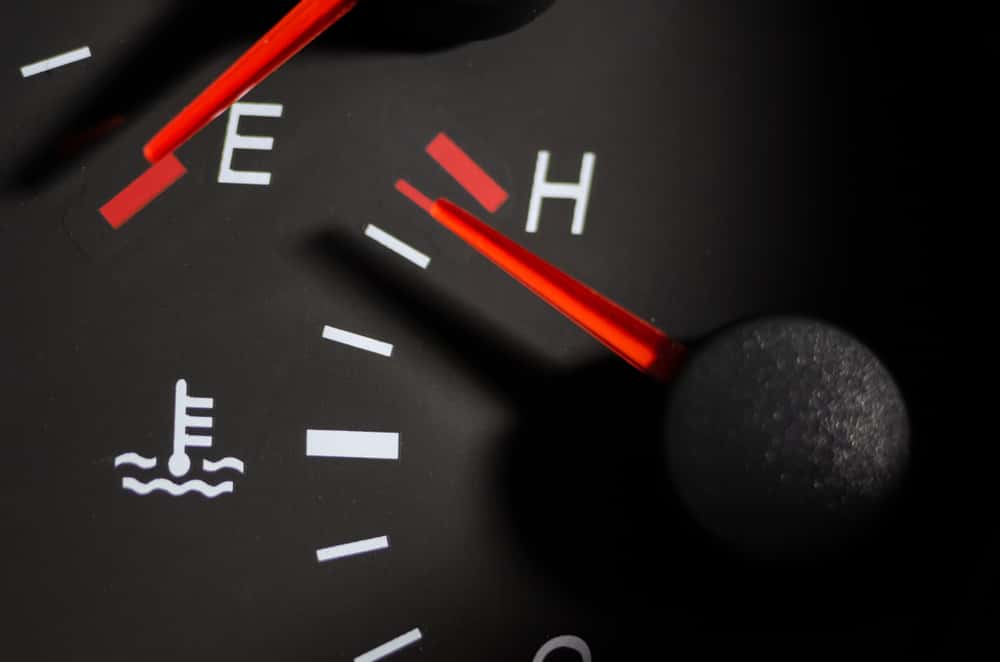
Recognizing early warning signs, like rising temperature gauges or steam from under the hood, can help mitigate damage. To keep your car running as well as possible, schedule your next service appointment at Thompson!
Stay Ahead of Car Overheating Issues
Handling an overheated car doesn’t have to be overwhelming if you know what steps to take. By following these ten essential actions, you can safely navigate an overheating situation while minimizing damage to your vehicle.
Regular vehicle maintenance will also help extend the life of your vehicle. Stay prepared and drive confidently knowing that you can handle unexpected challenges like car overheating!
Discover Your Next Vehicle at Thompson Sales
Thompson Sales in Springfield, Missouri, is the premier luxury vehicle dealership in the area. Visit our lot or connect with us online to learn more.
0 comment(s) so far on Is Your Car Overheating? Follow These 10 Steps to Keep Your Cool