


Complete Guide to Buying a Used Vehicle in Springfield, Missouri

Do you need to upgrade your car, truck, or SUV? We’ve got a wide selection of new and used vehicles for sale in Springfield, MO. We specialize in new Buick and GMC vehicles, but we have other makes and models for sale on our lot. There’s something for everyone.
Our complete guide to buying a used vehicle in Springfield, Missouri, will give you all the tips, tricks, and details. We will cover everything from researching a vehicle to meet your needs and narrowing your choices to taking a test drive and signing the paperwork.
Table of Contents
- Top Reasons to Buy a Used Vehicle in Springfield, MO
- How Thompson Sales Gets Used Cars on Our Lot
- How Much Should You Spend on a Used Car?
- Finding the Features You Want
- CPO vs. Used Vehicles for Sale in Springfield, MO
- Buying a Leased Vehicle
- Auto Loan Financing to Purchase Your Used Vehicle
- Utilize a Down Payment for Buying a Used Car for Sale
- Understand Fair Market Value
- What Does a Car Title Tell You?
- Where to Find a Used Vehicle for Sale in Springfield, Missouri
- Buying From a Franchised Dealership vs. a Used Car Place
- Assessing a Good Mileage for a Used Vehicle for Sale
- Inspecting a Used Vehicle for Sale Ahead of the Test Drive
- Examine the Buyer’s Guide Label or Sticker
- Test-Driving Our Used Vehicles for Sale in Springfield, MO
- What to Look for in a CARFAX Vehicle History Report
- Negotiating the Price of a Used Vehicle for Sale in Springfield, MO
- Are Used EVs Worth It?
- Used Vehicle Warranties
- Insurance for Your Used Vehicle in Springfield, MO
- Advanced Safety Features in Used Vehicles
- How Long Should a Used Vehicle Last?
- How to Extend the Life of Your Used Vehicle in Springfield, MO
- Selling Your Vehicle
- Why Thompson Sales Is the Best Place to Buy a Used Car in Springfield, MO
Top Reasons to Buy a Used Vehicle in Springfield, MO
Customers arrive on our lot looking for the perfect vehicle for their situation. If you want a like-new car at a lower price than one of our used models, a certified pre-owned car, truck, or SUV is for you. These vehicles have been thoroughly reconditioned, and a portion of the factory warranty is still on them.
These are the most popular reasons we see for buying one of our used cars in Springfield, Missouri. Did you know nearly 36 million used vehicles were sold in America in 2023?
1. Upfront Cost Savings
When investing in a pre-owned car for sale in Springfield, Missouri, you can see significant savings compared to a new vehicle. A certified pre-owned (CPO) model could reduce your overall price on a like-new model versus a comparable new vehicle by a few thousand dollars, although this varies based on the model and trim you select. Our CPO models are from General Motors, meaning Chevy, GMC, Buick, Hummer, or Cadillac.
2. Lower Insurance Costs
Insurance premiums for used vehicles are generally lower than for new cars. The car’s value is a primary factor in determining insurance rates. Since used cars are cheaper, the cost to insure them is also less in general.
3. Easier Access to Higher-End Models & Newer Technology
Do you love premium features or want access to newer technology? Purchasing one of our used vehicles for sale in Springfield, Missouri, can put you in the driver’s seat of a safe, connected, and reliable car. Look for models manufactured in 2017 or later to find advanced safety features, convenience items, and comfortable seating.
4. Teenage Driver or Second Vehicle
Looking for a safe, reliable second vehicle for your family? Our certified pre-owned models provide a middle ground between new and used cars. CPO vehicles on our lot come with these benefits you may not find on a used vehicle:
- Less than 6 model years old
- Less than 75,000 miles
- Clean vehicle title
- Free vehicle history report
- Passed a 172-point inspection
- Reconditioned with OEM parts
- Factory-backed 6-year/100,000-mile powertrain limited warranty
- Factory-backed 12-month, 12,000-mile bumper-to-bumper limited warranty
5. Upgrade Your Current Vehicle at a Lower Price Point
We accept and purchase trade-ins when we see car owners who want to upgrade their vehicles. A trade-in serves as a down payment toward an upgraded vehicle on our lot. You can upgrade your current ride for less when you purchase a used vehicle from us.
How Thompson Sales Gets Used Cars on Our Lot
Our used inventory comes from three sources. All of the used models you see on our lot are quality selections.
1. Trade-Ins
We purchase trade-ins from car owners who want to buy a new or used vehicle on our lot. We assess the value and condition of the car to determine how much we’ll offer for it. These trade-ins comprise a large portion of our pre-owned inventory from other makes and models.
2. Lease Returns
Auto leases generally last for two years. People who qualify for a lease will get a new vehicle with certain restrictions, like mileage limitations and maintenance, from our factory-trained service center. A vehicle returned from a lease typically becomes a certified pre-owned model.
3. Purchasing Your Current Vehicle
We will buy your car. Why sell your vehicle to us? We’ll offer you a fair deal. In many cases, we’ll provide an instant offer. You won’t have to list your vehicle on a website, Facebook, or Craig’s List. You won’t have to worry if a private seller’s check will clear the bank. Selling your current vehicle to Thompson Sales is faster and more secure, and you could have money in the bank quickly.
How Much Should You Spend on a Used Car?
Money for a used car is more than just the auto purchase. You’ll need to set aside money for the vehicle’s operation and insurance.
Consider All Costs in Your Budget
In general, we recommend setting aside 10 percent of your monthly take-home income for making the auto payment and 5 to 10 percent for fuel, insurance, and maintenance. Remember to have money for taxes and fees when you finalize your purchase!
Save for a Down Payment
Saving for a down payment can greatly reduce the amount you need to finance, lower your monthly payment, and reduce the interest paid over the entirety of your auto loan. We recommend saving 10 to 20% of the car’s purchase price for a down payment. Remember, you can also use your trade-in as part of the down payment.
Compare Prices Versus Value
The price of the used vehicle for sale in Springfield, MO, is only part of the story. What value are you getting for the vehicle? Do you plan to sell it in a couple of years, or do you want to drive it for as long as it will last? If the latter, consider a vehicle with fewer miles on it that will fit within your budget.
Finding the Features You Want
You’ll discover many of the most popular features modern drivers want in later-model cars, trucks, and SUVs. Remember to look for ones built in 2017 or later for the most advanced safety features. Chances are good we’ve got some used models on our lot that have everything you want.
1. Advanced Safety Features
Safety is a top priority for many car, truck, and SUV shoppers in Southwest Missouri. What people ask about us the most are advanced safety features like automated emergency braking, blind-spot monitoring, lane departure warning technology, and adaptive cruise control. These advanced safety features help prevent accidents and provide peace of mind for drivers and passengers.
2. Infotainment Systems
Connectivity and entertainment can keep you, your passengers, and your kids occupied on long trips. Look for modern infotainment systems that offer large touchscreens, Apple CarPlay, Android Auto, Bluetooth connectivity, and voice recognition. These systems do more than just keep you connected. They’ll help you navigate easily while enjoying music and other media effortlessly.
3. Comfort and Convenience Features
Comfortable seating, climate control, and ample cargo space are significant considerations. Heated and ventilated seats are perfect for chilly winters and hot summers. Dual-zone or tri-zone automatic climate control can help keep everyone in the vehicle comfortable, especially if the sun is shining on one side of the car but not the other. Power-adjustable seats enhance the driving experience.
Look for keyless entry and push-button start, hands-free liftgates, and remote start systems when you have a busy lifestyle. We can show you what used vehicles are for sale with these top-level features.
4. Fuel Efficiency
Gas prices aren’t going down anytime soon. Fortunately, gas prices in Springfield are very low compared to other places. However, if you plan on spending significant time in Illinois or on the coast of the United States, your refueling costs will be higher. Fuel efficiency is important because you can save money on refueling, which can put more cash in your pocket.
5. All-Wheel Drive (AWD) and Four-Wheel Drive (4WD)
Drivers in Southwest Missouri love AWD and 4WD capabilities. You’ll get better traction and stability on slippery or uneven surfaces, gravel roads, and rural properties when you need to take care of your family farm.
6. Driver Assistance Technologies
In addition to advanced safety features, advanced driver assistance systems are becoming increasingly popular. These include adaptive headlights, auto high beam assist, parking assist, traffic sign recognition, and night vision assist. These technologies enhance the driving experience by making it safer and more convenient, reducing the stress of driving in challenging conditions.
7. Wireless Charging and Multiple USB Ports
Multiple USB ports are essential for your entire family’s mobile devices. Just make sure to remember your charging cords before setting a course to grandma’s house!

CPO vs. Used Vehicles for Sale in Springfield, MO
Consider purchasing a CPO or used vehicle on our lot. Both options have distinct advantages and drawbacks, and the choice depends on various factors, including budget, preferences, and peace of mind.
Advantages of Certified Pre-Owned (CPO) Vehicles
Thorough Inspection and Reconditioning
The factory-trained technicians at our GMC-certified dealership conduct rigorous inspections and recondition our CPO vehicles, ensuring that they meet high standards for quality and reliability. We’ll cover mechanical components, safety features, electrical components, and cosmetic conditions. Because we are a new dealership associated with General Motors, our service technicians are certified to repair and recondition GM vehicles in this program.
Extended Warranties
One of the main attractions of CPO vehicles is the extended warranty coverage. We offer extended warranties beyond the original manufacturer’s factory warranty. You’ll also get a 12-month, 12,000-mile bumper-to-bumper limited warranty and a factory-backed 6-year/100,000-mile powertrain limited warranty.
Low Mileage and Newer Models
Our CPO vehicles are less than six model years old and have less than 75,000 miles on the odometer. In general, the engines of CPO vehicles have less wear and tear than those of ordinary used vehicles.
Drawbacks of Certified Pre-Owned (CPO) Vehicles
Higher Cost
CPO vehicles tend to be more expensive than their non-certified counterparts due to the added benefits of inspection, reconditioning, and extended warranties. But you’ll get a better value and peace of mind with a CPO vehicle.
Limited Availability
The availability of CPO vehicles can be limited compared to the broader used car market. Finding a specific model with the desired features and within a reasonable distance can sometimes be challenging. Our vehicle finder service can help you locate the exact car, truck, or SUV that fits your needs.
Advantages Regular Used Vehicles
Lower Purchase Price
The most significant advantage of buying a regular used vehicle is the lower price. These vehicles are often more affordable than CPO cars, allowing you to save money upfront or choose a higher-end model within your budget.
Wider Selection
Our used vehicles come from different makes and models. If you’re in the market for a non-GM vehicle, you could find what you need among our used models.
Drawbacks Regular Used Vehicles
No Extended Warranties
Most used vehicles do not come with extended warranties. However, we still have quality used vehicles on our lot that could offer many great years of service compared to used car lots that don’t have relationships with a manufacturer.
Potential for Hidden Issues
Without the rigorous inspection process of CPO vehicles, used cars can have hidden issues or require more immediate maintenance. Our technicians look over the condition of every used vehicle we sell, but not all have the same rigorous reconditioning process as our CPO program.
Buying a Leased Vehicle
Buying a leased vehicle from a dealership can be a wise financial decision when purchasing a used car in Springfield, MO. This process, often called a lease buyout, allows you to buy the vehicle you’ve been leasing at the end of the lease term.
1. Understand the Lease Terms
Before you decide to buy your leased vehicle, it’s essential to understand the terms of your lease agreement. The lease agreement includes the buyout price, which is the car’s residual value. This value was determined at the beginning of the lease and represents the vehicle’s estimated worth at the end of the lease term.
2. Know the Vehicle’s Condition and Its Quirks
One of the most significant advantages to purchasing your leased vehicle is that you already know its condition and quirks. Because the value is less than when you began the lease, your auto loan terms might be more favorable after your two-year lease is over.
3. Apply for Financing
Around 80% of Americans use auto financing to own the vehicle of their dreams. Applying for financing through Thompson Sales’ financing department allows us to go to bat for you through our auto lending partners. We have long-standing relationships with lenders and will do our best to find the correct loan terms for your situation.
4. Consider Extended Warranties
If you want extra peace of mind with your purchase, consider extended warranties beyond the factory warranty. We have some options for you.
5. Finalize the Transaction
Once you have your budget and auto loan, pay any remaining fees and ensure all paperwork is completed accurately. Once everything is in order, the vehicle is officially yours. Keep copies of all documents for your records.

Auto Loan Financing to Purchase Your Used Vehicle in Springfield, MO
An auto loan for your used vehicle is a great way to secure your desired vehicle. Remember, an auto loan is secured, meaning the vehicle is collateral.
Key Components of an Auto Loan
Your auto loan comprises key parts that will help determine your monthly payment.
Principal Amount
This is the amount you borrow to purchase the vehicle. It includes the price of the car and any additional fees minus any down payment or trade-in value.
Interest Rate
The cost of borrowing money is expressed as a percentage of the principal. Interest rates for your loan depend on factors such as your credit score, loan term, and the type of vehicle being purchased.
Loan Term
The length of time you have to repay the loan. Common terms range from 36 to 72 months, with longer terms typically resulting in lower monthly payments but higher overall interest costs.
Monthly Payments
The amount you pay each month towards the loan principal and interest. These payments are calculated based on the loan amount, interest rate, and loan term.
Steps to Financing a Vehicle Purchase
1. Check Your Credit Score and Credit History
Your credit score significantly impacts the interest rate you’ll receive. A higher score can qualify you for lower rates. Obtain your credit report from major credit bureaus to check for errors and understand your credit standing. You get one free credit report per year, so look it over thoroughly.
2. Determine Your Budget
Calculate how much you can afford to spend on a car, including the down payment, monthly payments, insurance, and maintenance costs. Financial experts recommend that your car payment is at most 10% of your monthly take-home pay. Use our payment calculator tool to develop a monthly budget that fits your situation.
3. Get Pre-Approved for a Loan
Shop around for pre-approval from banks, credit unions, or online lenders, in addition to getting pre-approved from Thompson Sales. Pre-approval gives you a better idea of your loan terms and budget and can strengthen your negotiating position based on how much a lender approves for your situation.
4. Compare Loan Offers
Evaluate loan offers based on the annual percentage rate (APR), loan term, and any additional fees. Use loan comparison tools and calculators to assess the total cost of each loan. If you favor lower monthly payments over more interest, go for a longer-term loan.
5. Negotiate the Vehicle Price
Once you have pre-approval, visit the dealership and negotiate the price of the vehicle. Financing arranged beforehand helps you focus on the price rather than monthly payments, leading to better deals. There is some wiggle room to our prices at Thompson Sales, so come prepared with hard data to back up your negotiation.
6. Review the Loan Agreement
Carefully review the loan agreement before signing. Ensure all terms match what was discussed and there are no hidden fees. Pay attention to penalties, like prepayment or being late on your payments.
Utilize a Down Payment for Buying Used Car for Sale in Springfield, Missouri
A down payment towards your auto loan gives you two distinct advantages. First, it will lower your monthly payment because you borrow less money. The higher your down payment, the less your monthly payment will be. Second, it shows your chosen auto lender that you are serious about the loan and could be perceived as a lower risk for the loan investment.
Strategies for Saving for a Down Payment for Your Auto Loan
You can start saving for a down payment from the moment you decide you need to buy a car.
1. Create a Savings Plan
One of the most straightforward ways to secure a down payment is to create a dedicated savings plan. Start by setting a target amount for your down payment, typically 20% of the vehicle’s purchase price. Break down this amount into manageable monthly savings goals and the timeline for which you want to buy the vehicle.
2. Cutting Expenses
Review your monthly budget and identify areas where you can cut expenses. Consider reducing discretionary spending on non-essential items such as dining out, entertainment, daily stops at Starbucks for coffee, and subscriptions. Redirect the money saved from these cuts into your down payment fund.
3. Sell Unused Items
Decluttering your home and selling unused or unwanted items can provide a quick boost to your down payment fund. Platforms like eBay, Craigslist, and Facebook Marketplace make selling items such as electronics, furniture, clothing, and sporting goods easy. You can also go the more traditional route of having a yard sale.
4. Part-Time Job, Temporary, or Gig Work
Taking on a part-time job or gig work can accelerate your savings. Opportunities like freelancing, ridesharing, food delivery, or working at a retail store can provide additional income dedicated to your down payment.
5. Tax Refunds and Bonuses
Another effective strategy is using windfalls such as tax refunds, work bonuses, or monetary gifts. Instead of spending these unexpected funds, allocate them directly to your down payment savings. IRS income tax refunds average between $2,500 and $3,000, which can be a substantial portion of a down payment.

Understand Fair Market Value
Determining a fair market value (FMV) for a used car for sale in Springfield, MO, is a crucial step in the buying and selling process. The FMV represents the price that a knowledgeable and willing buyer would pay to a knowledgeable and willing seller under typical market conditions.
Here is a bit of information about how we determine the prices of our used vehicles for sale in Springfield, MO. Online tools can help you assess a fair market value.
Key Factors Influencing Fair Market Value
1. Make, Model, and Year of a Used Vehicle for Sale
The vehicle’s make, model, and year are primary determinants of its value. Newer models generally have higher values than older ones due to less wear and tear and newer technology. Some brands and models hold their value better than others due to factors like reliability, brand reputation, and market demand. If a particular make, model, and year is popular, it will have a higher price than a comparable vehicle that isn’t as popular.
2. Mileage on the Engine
Mileage is critical because it indicates how much the car has been used. Generally, lower-mileage cars are valued higher because they are presumed to have a longer remaining lifespan and fewer potential maintenance issues.
3. Condition of the Vehicle
The condition of the car, both mechanically and cosmetically, significantly affects its value. Cars in excellent condition, with no major repairs needed and a clean interior and exterior, command higher prices.
4. Location
Geographical location can impact car value due to varying demand and supply dynamics. For example, convertibles might be more valuable in warmer climates, while all-wheel-drive vehicles could be more sought after in regions with harsh winters.
5. Market Trends
Current market trends, including economic conditions and seasonal variations, can influence car values. For instance, fuel-efficient cars might see a price increase during times of high fuel prices. Certain times of the year, like winter holidays, spring tax time, or when new model years come out, can also influence used car values.
One important thing to note is that the fair market value is not the same as the amount you will get for a trade-in at an auto dealership or for selling your car to a dealership. The dealership will buy your vehicle with the intent to sell it to another buyer later.
Tools for Determining Fair Market Value
1. Kelley Blue Book (KBB)
Kelley Blue Book is one of the most widely used resources for determining the fair market value of a used car. It provides values based on extensive data and algorithms that take into account the make, model, year, mileage, condition, and geographical location. KBB offers different price categories, such as private party value, trade-in value, and dealer retail value.
2. Edmunds
Edmunds offers a True Market Value (TMV) tool that estimates the average transaction price for a used car in a specific area. It uses data from dealer transactions, depreciation costs, and current market conditions to provide accurate values.
3. NADA Guides
The National Automobile Dealers Association (NADA) provides vehicle valuation guides that are widely used by dealers and lenders. NADA values are derived from actual sales transactions and provide insights into retail, trade-in, and private-party values.
4. CARFAX History-Based Value
CARFAX provides a value estimate based on the vehicle’s history report, including past ownership, service records, accident history, and title information. This history-based value helps buyers and sellers understand how the car’s past affects its current worth.
Another important note is that the team at Thompson Sales will also consider our proprietary tools that assess a vehicle’s final price. These online tools can only give you an estimate, especially since they cannot tell you precisely the car’s condition. If you have any questions about how we determine a price for a used vehicle for sale in Springfield, MO, feel free to ask us!
What Does a Car Title Tell You?
A car title is a crucial document that serves as proof of ownership of a vehicle. In Missouri, a car title contains vital information that provides insights into the vehicle’s history and legality. Understanding what’s on a car title can help you make informed decisions when buying a used vehicle for sale in Springfield, Missouri.
Essential Information on a Missouri Car Title
1. Owner Information
The title includes the name and address of the vehicle’s registered owner. This information is essential to verify the rightful owner of the vehicle. Ensuring that the seller’s name matches the title helps prevent potential fraud when purchasing a car. Thompson Sales will have its name on every title on our lot. As one of the most reputable auto dealerships in the area, all of the vehicles we sell have a free and clear title.
2. Vehicle Identification Number (VIN)
The VIN is a unique 17-character code that identifies the vehicle. It includes information about the car’s make, model, year, and place of manufacture. The VIN on the title should match the VIN on the vehicle itself, typically found on the dashboard or inside the driver’s side door.
3. Vehicle Description
This section provides details about the vehicle, such as the make, model, year, body type, and color. This information helps verify that the title matches the vehicle you’re looking at.
4. Odometer Reading
The title records the odometer reading at the time of the last sale or transfer of the vehicle. This reading helps track the vehicle’s mileage over its lifetime, which is critical in determining its value and condition. In Missouri, the odometer disclosure may not be required if the vehicle is over ten years old.
5. Lienholder Information
If the vehicle has an outstanding loan, the lienholder’s name and address will be listed on the title. This indicates that the lienholder has a legal interest in the vehicle until the loan is paid off. The vehicles on our lot are free of any liens.
6. Title Status
The title status indicates whether the vehicle has a clean, salvage, or rebuilt title. A clean title means the vehicle has not been significantly damaged or declared a total loss by an insurance company. A salvage title indicates that the car, truck, or SUV was declared a total loss by an insurance adjuster but has since been repaired. A rebuilt title means someone repaired and a state-authorized mechanic inspected it to certify its roadworthiness. All of our used vehicles have a clean title at Thompson Sales.
What to Do With Your Car Title When Buying a Used Car for Sale in Springfield, MO
After you purchase one of our used cars, you’ll need to take the title with you to your local DMV office. Once you show that the vehicle is legally yours, the DoR will mail you a new title with your name on it and your auto lender’s name. Once you pay off the loan, you can request a new title that just has your name on it.

Where to Find a Used Vehicle for Sale in Springfield, Missouri
Finding a used vehicle for sale can be exciting yet daunting because you have so many choices. We have plenty of options for used vehicles in Springfield, MO, and we think we offer fantastic deals on outstanding cars, trucks, and SUVs.
1. Online Marketplaces
Many reputable online marketplaces that sell used cars. You find a wide range of used vehicles for sale. But you may be limited by the geographic area. Even if some of these places will deliver to you, there may be added fees. Plus, how can you test-drive the vehicle before buying it?
2. Franchise Dealerships Like Thompson Sales
Franchise dealerships, like Thompson Sales, specialize in new vehicles. However, they often have a selection of used vehicles, including certified pre-owned (CPO) cars. The advantage of buying from a franchised dealership is that it must maintain high standards to keep its affiliation with the manufacturer, and this includes the buying and selling of used cars as part of the dealership’s finances and accounting.
3. Independent Dealerships
Independent used car dealerships may offer a wider variety of makes and models at many price points. These dealerships can sometimes provide more flexibility in pricing and negotiations compared to franchise dealerships. Visiting multiple independent dealers can give you a broader view of what’s available in your area.
However, it might be a better idea to shop at a franchise dealership because of the sterling reputation they have to maintain. Independent dealerships might not have factory-trained mechanics or a finance center on hand to help you with your automotive needs.
4. Private Sellers
Websites like Craigslist and Facebook Marketplace allow individuals to sell their cars directly to buyers. Purchasing from a private seller can often result in lower prices since no dealer markups exist. However, it’s crucial to be cautious and conduct thorough inspections and vehicle history checks to avoid potential issues.
5. Car Auctions
Public car auctions are a good place to find used vehicles at lower prices. These auctions are often open to anyone and feature a wide range of vehicles, including those from government fleets, repossessions, and private owners. Sites like Auction.com list upcoming auctions and available vehicles.
Online auction platforms like eBay Motors offer the convenience of browsing and bidding on cars from the comfort of your home. These platforms provide detailed listings, photos, and seller ratings to help you make informed decisions. Online auctions can be competitive, so it’s essential to set a budget and stick to it.
You must be careful with online auctions. Vehicles are often sold as-is, and you may not know the condition of the vehicle.
6. Rental Car Agencies
Rental car companies like Hertz, Enterprise, and Avis often sell their fleet vehicles after a few years of use. These cars are typically well-maintained and come with detailed service records. Buying a former rental vehicle can be cost-effective, especially if you’re looking for relatively new models with lower mileage. But you may not know the car’s condition or if it comes with a vehicle history report.
7. Vehicle Finder Service
If you can’t find the vehicle of your dreams among our inventory, tap into our vehicle finder service. Fill out your contact information and fill out the form. Wwe can find what you need. Our team will reach out to you with the results and the next steps.
Buying From a Franchised Dealership vs. a Used Car Place
Drive along St. Louis Street in Springfield. You’ll see a wide range of used car places there, and none of them will match the quality of the used cars for sale in Springfield, MO, that we have on our lot.
Buying a vehicle from a franchised dealership like Thompson Sales offers several advantages over purchasing from an independent dealership. These benefits stem from the structure, resources, and policies typically associated with franchised dealerships.
1. Certified Pre-Owned Vehicles
Franchised dealerships, including ours, usually have certified pre-owned (CPO) vehicles that have undergone rigorous inspections and meet specific standards set by the manufacturer. These cars typically come with extended warranties, which provide peace of mind and additional protection.
2. Manufacturer Backing
Franchised dealerships have direct ties to the car manufacturers, ensuring they adhere to strict standards for customer service and vehicle quality. This relationship means that any warranties or recalls can be handled directly through the dealership, offering a streamlined and reliable service experience.
3. Access to Newer Inventory and the Latest Models
Franchised dealerships typically have access to the latest models and a broader selection of new and gently used vehicles. This access allows you to choose from a broader range of options, including the latest technology and safety features.
4. Professional Service and Repairs
Franchised dealerships usually have state-of-the-art service centers staffed by factory-trained technicians who specialize in the brand’s vehicles. In fact, Thompson Sales has four world-class GM technicians on our staff, the most by far in Southwest Missouri. A WCT is the highest standard the automaker has for servicing its vehicles. This expertise ensures that any maintenance or repairs are performed to the highest standards, using genuine parts.
5. Reputation and Accountability
Franchised dealerships, including the Thompson team, rely on their reputation and customer satisfaction for continued success. This accountability encourages higher standards of honesty and transparency in everything we do.

Assessing a Good Mileage for a Used Vehicle for Sale in Springfield, MO
Assessing the mileage of a used vehicle is a crucial step in determining its value and potential longevity. Here’s how to approach it when browsing our used vehicles for sale in Springfield, MO.
Cumulative Mileage vs. Miles Per Year
Cumulative mileage is the total number of miles the vehicle has been driven. Generally, the lower the cumulative mileage, the less wear and tear the car has experienced. However, cumulative mileage alone doesn’t tell the whole story.
Calculating the miles per year, or the annual mileage, can provide a clearer picture of the vehicle’s usage. The industry average is about 12,000 to 15,000 miles per year. A car with significantly higher annual mileage may have experienced more wear and tear, even if it has relatively low cumulative mileage.
For example, a 5-year-old car with 60,000 miles has an average of 12,000 miles per year, which is within the normal range. Conversely, a 5-year-old car with 30,000 miles indicates lower-than-average usage, which can be a positive indicator if the vehicle has been well-maintained.
City vs. Highway Driving
Vehicles driven primarily in urban environments typically experience more stress due to frequent stopping and starting, idling, and lower-speed driving. This type of driving puts more strain on the brakes, transmission, suspension, and engine.
Cars that have accumulated most of their miles on the highway tend to experience less wear and tear. Highway driving involves longer distances at consistent speeds, which is generally easier on the engine and transmission. Cars driven primarily on highways are often in better condition than those driven in the city, even with higher mileage.
Additional Considerations
Regardless of mileage, a vehicle with comprehensive maintenance records showing regular oil changes, brake servicing, and other routine maintenance will likely be in better condition. Look over the CARFAX vehicle history report from our team to see what the maintenance records look like.
The number of previous owners and the duration of ownership can also impact a vehicle’s condition. Fewer owners who have maintained the car well are preferable to multiple owners with unknown maintenance habits.
Inspecting a Used Vehicle for Sale Ahead of the Test Drive
Before taking a used vehicle for a test drive, conducting a thorough inspection is crucial to identify potential issues and ensure the car is in good condition. The issues we show here will likely not be a problem with the used vehicles for sale that we have at our dealership.
1. Body Condition
Examine the car’s body for any dents, scratches, or rust spots. These can indicate previous damage or neglect. Inconsistent paint can suggest body repairs, which might be a sign of past accidents. A uniform paint job indicates better care.
2. Tires
Use a penny to check the tread depth. Insert the penny with Lincoln’s head pointing downward. If you can see the top of Lincoln’s head, the tires will need to be replaced because the tread isn’t deep enough. Uneven tire wear can indicate alignment issues or suspension problems, or that the tire is simply too old.
3. Lights and Glass
Ensure all headlights, taillights, brake lights, and turn signals work correctly. Check for cracks or chips in the windshield, windows, and rear window, as these can worsen over time and may require expensive repairs.
4. Seats and Upholstery
Look for tears, stains, or excessive wear on the seats and upholstery. Test all seat adjustments to ensure they work correctly so you can have a comfortable ride wherever you go.
5. Dashboard and Electronics
Ensure all gauges and dashboard lights function properly. Check the operation of the audio system, air conditioning, heater, and any other electronic features like navigation systems or Bluetooth connectivity
6. Odor
Unpleasant odors in the cabin can indicate problems like mold, mildew, or smoking. A strong air freshener smell might mask these issues. Every used car on our lot has been thoroughly cleaned!
7. Engine
Look for signs of leaks, corrosion, or worn belts and hoses. Check the oil, coolant, transmission fluid, brake fluid, and power steering fluid levels. Low or dirty fluids can indicate neglect. None of the used vehicles on our lot should have these issues whatsoever.
8. Battery
Ensure the battery terminals are clean and free of corrosion and that the wires going to the battery are in good shape. Check the battery’s age. A car’s 12-volt battery typically lasts about three to five years.
9. Leaks Under the Vehicle
Look for any fluid leaks under the car, which could indicate issues with the engine, transmission, or brakes.
10. Exhaust System
Examine the exhaust system for signs of rust or damage, which can lead to costly repairs.
Examine the Buyer’s Guide Label or Sticker
When purchasing a used vehicle, the buyer’s guide sticker or label provides critical information to prospective buyers. This sticker is typically affixed to the car’s window and contains several key elements designed to inform buyers about their rights and the car’s condition.
Key Elements of the Buyer’s Guide Sticker
1. Warranty Information
The sticker clearly states whether the vehicle is being sold “as is” or with a warranty. If the vehicle is sold “as is,” it means that the buyer assumes all risks, and the dealer is not responsible for any repairs after the purchase.
If the vehicle comes with a warranty, the sticker will detail what parts and systems are covered, the warranty duration, and what percentage of repair costs the dealer will cover. These systems typically include the engine, transmission, drive axle, brakes, electrical system, and cooling system. This transparency helps buyers assess the potential risks and costs associated with the vehicle.
2. Dealer Information
The sticker includes the dealership’s name and contact information. This is useful for follow-up questions or issues that may arise post-purchase.
3. Vehicle Information
Basic information about the vehicle, such as make, model, year, and VIN (Vehicle Identification Number), is also included on the sticker. This helps ensure the guide is correctly associated with the vehicle. You’ll find things like the engine size, number of doors, emissions information, and other details.

Test-Driving Our Used Vehicles for Sale in Springfield, MO
We invite you to test-drive your chosen vehicles to narrow down the best one for you. Here’s a quick guide on what to look for when driving one of our used cars for sale in Springfield, MO, after you’ve examined the outside.
1. Evaluate Comfort and Visibility
Adjust the seats and steering wheel to your preference. Ensure you have a comfortable driving position and good visibility from all angles. Test the ease of entry and exit from the vehicle.
Check the visibility through the windshield, side windows, and rearview mirrors. There shouldn’t be significant blind spots that could impede safe driving.
2. Assess Driving Performance
Listen for any unusual noises when starting the engine. A smooth and quiet start is a good sign, while knocking or grinding noises may indicate engine issues.
Test the car’s acceleration and braking in various conditions. The car should accelerate smoothly without hesitation and brake firmly without pulling to one side.
Evaluate the steering responsiveness and handling. The car should respond promptly to steering inputs and feel stable around turns. Check for any vibrations or noises that could indicate suspension or alignment issues.
3. Test on Various Roads
Drive on city streets in southeast Springfield to test the car’s performance in stop-and-go traffic. Pay attention to the transmission’s shifting smoothness and the car’s ability to handle frequent stops. There are plenty of places to drive close to Independence Street!
Take the car on James River Freeway to assess its performance at higher speeds. Listen for wind or road noise, and ensure the vehicle maintains a straight path without constant steering corrections.
4. Use All Your Senses
Turn off the radio and listen for any unusual noises coming from the engine, brakes, or suspension. Does the wind noise sound appropriate for the driving speed?
Pay attention to how the car feels when driving. Note any vibrations, pulling, or unusual sensations that could indicate mechanical problems.
Be alert for strange smells, such as burning oil or antifreeze, which could indicate leaks or other issues. A dirty air cabin filter could also cause smells.
5. Ask Questions and Bring a Friend
Don’t hesitate to ask the seller about any concerns or anomalies you notice. Inquire about the car’s maintenance history, past accidents, and any recent repairs.
Bring a friend with you to take detailed notes and to ask questions during the test drive to compare with other vehicles you test. This will help you make a well-informed decision.
What to Look for in a CARFAX Vehicle History Report
Every used vehicle for sale on our lot comes with a free CARFAX Vehicle History Report, which you can easily see online when browsing our inventory.
When reviewing a vehicle history report from CARFAX, look at several key details to ensure the vehicle’s reliability.
1. Ownership History
The report should indicate how many owners the vehicle has had. Fewer owners often mean better care and maintenance. Look for extended ownership periods, as frequent changes can suggest potential issues. The report will also determine if the vehicle was for personal use, commercial use, or rental use.
2. Accident and Damage History
Check for any reported accidents. Details about the severity of the accident, affected parts, and whether the airbags were deployed can indicate the extent of past damage and potential long-term impacts on the vehicle’s performance and safety.
Look for any reports of damage that didn’t necessarily result from an accident, such as fire, flood, or hail damage. Vehicles with such histories might have hidden issues that are costly to repair.
3. Title Information
Ensure the vehicle has a clean title. A clean title indicates that the vehicle has not sustained severe damage that would deem it a total loss by an insurance company. Every used vehicle for sale at Thompson has a clean title.
4. Service and Maintenance Records
Consistent maintenance records suggest that the previous owners took good care of the vehicle. Look for regular oil changes, brake inspections, and other routine services. Maintenance records could even be as detailed as where the vehicle received maintenance.
Note any significant repairs, such as engine or transmission replacements. While these can be beneficial if the repairs were done correctly, frequent major repairs can indicate persistent issues.
5. Odometer Readings
Ensure that the odometer readings reported over time are consistent. Typically, the service and maintenance record will indicate the odometer reading at the time of the vehicle repair. Discrepancies might indicate odometer tampering, which is illegal and affects the car’s value and reliability.
6. Recalls
Check if the vehicle has any open recalls. Ensure that any recall-related repairs have been addressed. Unresolved recalls could pose safety risks.
7. Registration Details
The location where the vehicle was registered can impact its condition. For example, cars from areas with harsh winters might have more rust, while those from flood-prone areas might have water damage.
Negotiating the Price of a Used Vehicle for Sale in Springfield, MO
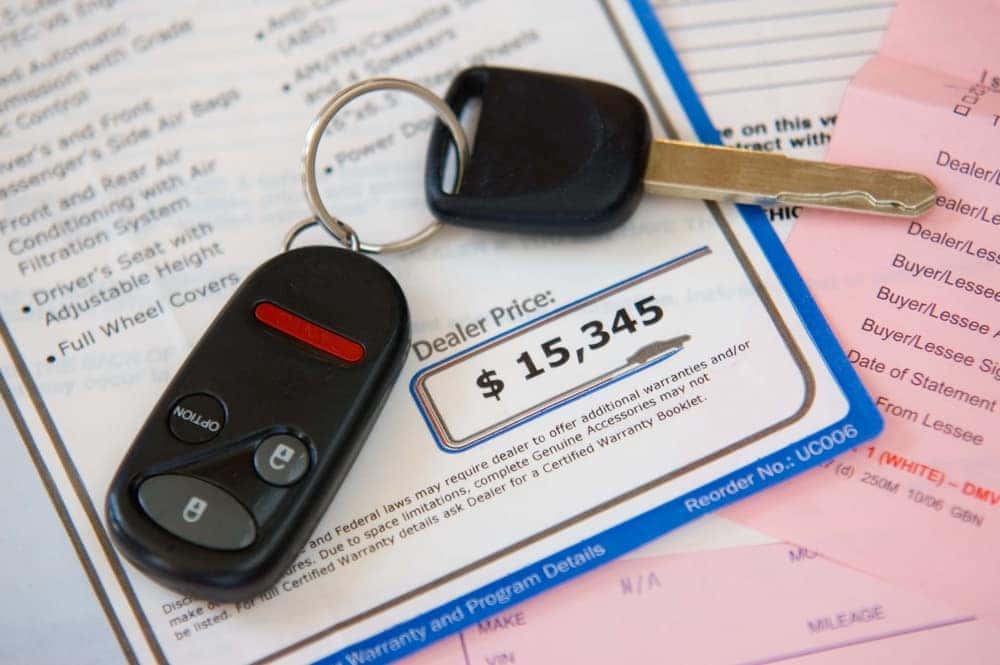
Negotiating the price of a used vehicle can be a critical part of the car-buying process, potentially saving you a significant amount of money.
1. Do Your Research
Start by researching the fair market value of the vehicle. Use resources like Kelley Blue Book, Edmunds, and NADA Guides to understand the average price for the car’s make, model, year, and condition you’re interested in. This information will give you a solid baseline for negotiations.
2. Inspect the Vehicle Thoroughly & Test-Drive It
Inspect the car meticulously, either personally or with the help of a trusted mechanic. Note any cosmetic or mechanical issues that could justify a lower price. Test-drive the vehicle to note anything that might be wrong with it. The used vehicles for sale at Thompson are in good condition.
3. Start with a Reasonable Offer
When making your initial offer, aim for a price within a reasonable range based on your research. Present your research to the seller. You can strengthen your position by showing that you understand the vehicle’s market value and condition. Mention any issues found during the inspection or on the vehicle history report as reasons for your lower offer.
4. Stay Polite and Professional
Maintain a polite and respectful demeanor throughout the negotiation process. Building rapport with the seller can make them more inclined to agree to your terms. Avoid aggressive or confrontational tactics because those aren’t worth anyone’s time or effort.
5. Be Prepared to Walk Away
One of the strongest negotiation tactics is the willingness to walk away if the price doesn’t meet your expectations. This shows the seller that you’re serious about your budget and may prompt them to make a better offer.
6. Understand the Bottom Line
Both you and the auto dealer want to make a great deal on a used vehicle for sale in Springfield, MO. So, it’s important to recognize that you’ll have a limit on the price you can afford, and the dealer will have a limit on the price they can sell the vehicle for. If negotiations have stalled and there is no more wiggle room in the price, it might be time to retarget your search for another car, truck, or SUV.
Are Used EVs Worth It?
Purchasing a used electric vehicle (EV) can be a worthwhile investment, but it depends on several factors that potential buyers should consider. We occasionally get a used EV on our lot. As GM comes out with more EVs, you could see more of them as used models at Thompson Sales.
Pros of Buying a Used EV
Used EVs typically cost significantly less than new ones. The depreciation rate for EVs is higher compared to conventional gasoline cars, leading to more affordable prices in the used car market.
EVs generally have lower operating costs than internal combustion engine vehicles. Maintenance is less frequent and less expensive since EVs have fewer moving parts. Additionally, electricity is cheaper than gasoline, leading to fuel savings.
Driving an EV reduces carbon emissions, contributing to environmental sustainability. Buying a used EV extends the vehicle’s lifecycle, further mitigating the environmental impact associated with manufacturing new cars.
Cons of Buying a Used EV
One of the main concerns with used EVs is battery degradation. Over time, an EV’s battery loses capacity, which can reduce the vehicle’s range. It’s important to check the battery health of a used EV before purchasing. Manufacturers are required to offer a warranty of 8 years/100,000 miles on EV batteries. Those warranties may not apply to used vehicles. But they will give you an idea of how much battery life is left.
Newer EVs often come with improved technology, including better battery life, more efficient motors, and advanced driver-assistance features. A used EV might lack some of these advancements, potentially making it less appealing than newer models.
While the charging infrastructure for EVs is expanding, it may still be a concern, especially in rural areas. Prospective buyers should ensure that they have access to adequate charging facilities to meet their needs.
Springfield has around 180 charging stations as of July 2024, including five at Thompson Sales through the EV Connect network. Our DC Fast Charging stations are rated at 50 kW. So, there are plenty of options for a used EV.

Used Vehicle Warranties
At Thompson Sales, we’re proud to offer two levels of warranties on our certified pre-owned vehicles for sale. These warranties are in addition to any portion of the original factory warranty that is still on the vehicle.
The first is a factory-backed 6-year/100,000-mile powertrain limited warranty. This covers parts of the engine and drivetrain and starts with the original in-service date.
Engine
- Cylinder head
- Block
- Timing gears
- Timing chain
- Timing cover
- Oil pump/oil pump housing
- OHC carriers
- Valve covers
- Oil pan, seals
- Gaskets
- Turbocharger
- Supercharger and all internal lubricated parts as well as manifolds, flywheel, water pump, harmonic balancer and engine mount
- Timing belts are covered until the first scheduled maintenance interval
Transmission/Transaxle/Transfer Case
- Case
- All internal lubricated parts
- Torque converter
- Transfer case
- Transmission/transaxle mounts, seals and gaskets
Drive Systems
- Final drive housing
- All internal lubricated parts
- Axle shafts and bearings
- Constant velocity joints
- Axle housing
- Propeller shafts
- Universal joints
- Locking hubs
- Front differential actuator
- Supports
- Seals and gaskets
The powertrain warranty gives you extra peace of mind and added value with these items:
- $0 Deductible
- Transferable to subsequent owners
- Roadside Assistance
- Courtesy Transportation for Repairs
The second warranty is a factory-backed 12-month, 12,000-mile bumper-to-bumper limited warranty. In general, this covers parts not covered by the powertrain limited warranty, including even the brake pads. You’ll get a warranty on most of your certified pre-owned vehicle parts.
What’s not included in the bumper-to-bumper warranty:
- Tire damage or wear
- Damage due to bedliners
- Damage due to accident, misuse or alteration
- Collision, fire, theft, freezing, vandalism, riot, explosion or objects striking the vehicle
- Misuse of the vehicle, such as driving over curbs, overloading, racing, or other competition. (Proper vehicle use is discussed in the Owner’s Manual.)
- Alteration or modification to the vehicle, including the body, chassis, or components, after final assembly by Chevrolet, Buick, or GMC.
- Coverages do not apply if the odometer has been disconnected, its reading has been altered or mileage cannot be determined.
- Damage or corrosion due to environment, chemical treatments and/or aftermarket products
- Damage due to insufficient or improper maintenance
- Damage due to contaminated or poor-quality fuel
Insurance for Your Used Vehicle in Springfield, MO
When purchasing a used vehicle, it’s a good idea to have an auto insurance policy before you finalize the deal. By law, you’re required to have the vehicle insured before you drive it off the lot.
1. Understand Your Insurance Needs
State Requirements: Every state has minimum auto insurance requirements that drivers must meet. These typically include liability coverage, which pays for injuries and damages you cause to others in an accident. For Missouri, you will need:
- $25,000 per person for bodily injury
- $50,000 per accident for bodily injury
- $25,000 per accident for property
Personal Needs: Beyond legal requirements, consider additional coverage options based on your personal needs and the condition of your vehicle. Common coverages include collision, comprehensive, uninsured/underinsured motorist, and personal injury protection (PIP).
Lender Requirements: When using an auto loan to obtain your used vehicle in Springfield, MO, your lender may have additional insurance requirements. This is to make sure their investment is covered in case the vehicle becomes damaged or undrivable.
2. Understand the Used Vehicle’s Insurance Costs
Age and Condition: The age, make, model, and condition of your used vehicle can significantly impact insurance rates. Older cars may cost less to insure because they have lower market value, which can reduce premiums for comprehensive and collision coverage.
Safety Features: Vehicles equipped with advanced safety features like anti-lock brakes, airbags, and electronic stability control may qualify for discounts. Insurers often offer lower rates for cars with high safety ratings, as they pose less risk.
3. Get Multiple Quotes
Shop Around: It’s essential to get quotes from multiple insurance providers to compare rates and coverage options. Several websites allow you to input your information once and receive quotes from several insurers.
Bundling Discounts: Consider bundling your auto insurance with other policies, such as homeowners or renters insurance. Many insurers offer discounts for multiple policies, which can lead to significant savings.
4. Check for Discounts
Good Driver Discounts: Maintaining a clean driving record can qualify you for good driver discounts. Insurers reward safe drivers with lower premiums.
Usage-Based Discounts: Some insurers offer usage-based insurance (UBI) programs, where your driving habits are monitored via a mobile app or a device installed in your car. Safe driving behaviors like smooth braking and low annual mileage can lead to discounts.
5. Review Coverage Options
Liability Coverage: Ensure you meet the state minimum requirements for liability coverage, but consider higher limits to protect yourself and your assets in case of a severe accident.
Collision and Comprehensive Coverage: Evaluate the need for collision and comprehensive coverage based on the value of your used vehicle. These coverages pay for repairs or replacement if your car is damaged in an accident, stolen, or affected by non-collision events like fire or vandalism.
Gap Insurance: If you financed your used vehicle, gap insurance covers the difference between what you owe on the loan and the car’s actual cash value if it’s totaled or stolen. This can prevent you from owing money on a car you no longer drive.
6. Understand the Claims Process
Ease of Filing Claims: Research the insurer’s claims process. Read reviews and ask for recommendations to see if the company has a reputation for efficient and fair claims handling.
Customer Service: Good customer service is vital when dealing with claims or policy adjustments. Check ratings on customer satisfaction surveys, such as those conducted by J.D. Power and Consumer Reports.
Advanced Safety Features in Used Vehicles for Sale in Springfield, MO
Vehicles manufactured in 2017 or newer typically have some level of advanced safety features. That was when some brands expanded their safety offerings to include automatic emergency braking systems in more of their vehicles.
Look for these advanced safety features in a used car for sale in Springfield, MO.
1. Automated Emergency Braking (AEB)
These systems are designed to detect an impending collision with another vehicle or object and apply the brakes automatically if the driver does not act in time. This technology has become increasingly standard in many mid-range and even some budget-friendly models from 2017 onwards.
2. Adaptive Cruise Control (ACC)
Adaptive cruise control maintains a set speed while also keeping a safe distance from the vehicle ahead of you. It uses radar and sensors to monitor traffic and can automatically adjust the vehicle’s speed to maintain a safe following distance. This function is very helpful on long drives.
3. Lane Departure Warning (LDW) and Lane Keeping Assist (LKA)
Lane departure warning systems alert the driver if the vehicle unintentionally drifts out of its lane, typically through audible or visual warnings. Lane-keeping assist goes a step further by gently steering the vehicle back into its lane if the driver does not react to the warnings. These are excellent advanced safety features to mitigate distracted driving.
4. Blind-Spot Monitoring (BSM)
Blind-spot monitoring uses sensors to detect vehicles in the driver’s blind spots and provides alerts, usually through visual indicators on the side mirrors or audible warnings. This feature can significantly reduce the risk of side-swipe accidents during lane changes.
5. Rear Cross-Traffic Alert (RCTA)
Rear cross-traffic alert systems warn drivers of approaching traffic from the sides when reversing out of parking spaces. This feature is beneficial in crowded parking lots or when visibility is obstructed. The goal here is to prevent collisions with moving vehicles or pedestrians while backing up.
6. Forward Collision Warning (FCW)
Forward collision warning systems use sensors to monitor the distance to the vehicle ahead and alert the driver of a potential collision. This early warning system allows the driver to take corrective action before an accident occurs.
7. Pedestrian Detection
Pedestrian detection systems work in conjunction with AEB to identify pedestrians in the vehicle’s path and apply brakes if the driver fails to react in time. This technology can be crucial in urban environments where pedestrian traffic is high.
8. High-Beam Assist
High-beam assist automatically switches between high and low beams based on oncoming traffic and surrounding conditions, enhancing nighttime visibility without blinding other drivers. You’ll be able to pay more attention to the road ahead of you rather than switching from high to low beams.
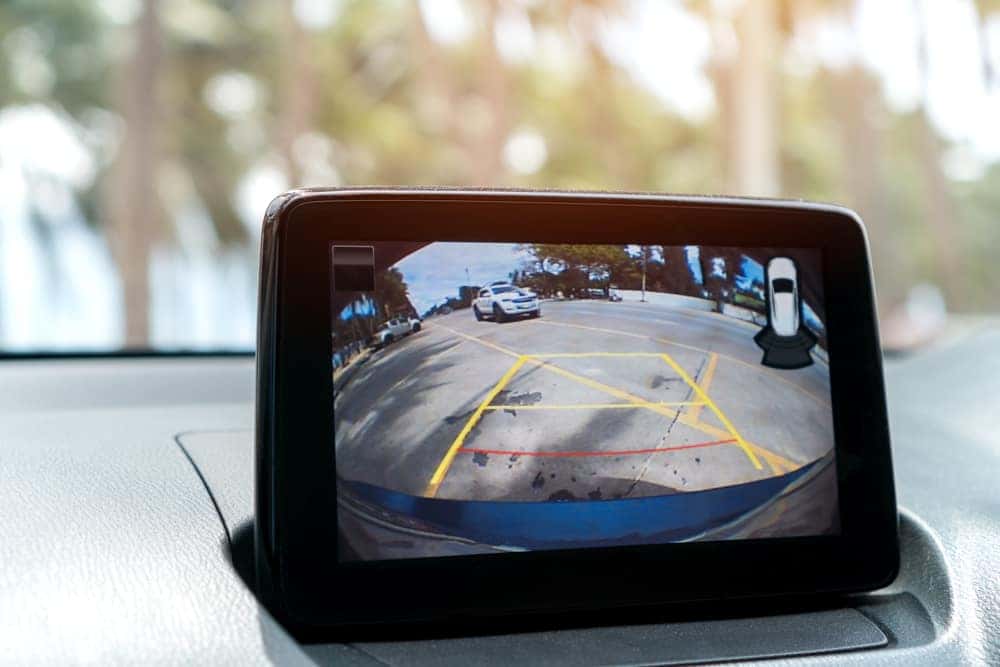
9. Surround-View Camera Systems
Surround-view camera systems provide a 360-degree view of the vehicle, helping drivers maneuver in tight spaces and avoid obstacles. This technology, which uses multiple cameras placed around the car, is particularly beneficial for parking and low-speed navigation. This is great for crowded city areas.
10. Driver Attention Monitoring
Driver attention monitoring systems analyze driver behavior and issue alerts if signs of drowsiness or inattention are detected. This feature encourages drivers to take breaks and stay alert, thereby reducing the likelihood of accidents caused by fatigue. This feature is also great for new drivers like teenagers.
How Long Should a Used Vehicle Last?
According to JD Power, modern vehicles can last 15 years and 200,000 miles if they are maintained regularly according to the manufacturer’s recommendations. Car & Driver reports the average car owner keeps a used vehicle for 12 years. You can research third-party websites like Consumer Reports to see how car owners rate their vehicle ownership on various models.
Factors Affecting Vehicle Longevity
1. Maintenance History
Routine maintenance is critical for extending a vehicle’s lifespan. This includes regular oil changes, tire rotations, brake inspections, and fluid checks. Timely repairs and replacement of worn-out parts are also essential. For instance, replacing the timing belt at the recommended interval can prevent catastrophic engine damage, which might otherwise shorten the vehicle’s lifespan.
2. Driving Habits
Driving habits play a significant role in a vehicle’s longevity. Gentle acceleration and braking, as well as avoiding aggressive driving, can reduce wear and tear on the engine, transmission, and brakes. Edmunds suggests that smoother driving can help maintain a car’s health and extend its operational life.
: Highway driving is generally less stressful on a vehicle than city driving, which involves frequent stopping and starting. Long highway trips allow the engine to run at a steady pace, reducing stress on components.
3. Environmental Factors
The environment in which a vehicle is driven affects its lifespan. Vehicles in harsh climates, such as areas with extreme cold or heat, or regions with high humidity and salt exposure (coastal areas), are more prone to rust and corrosion. Rust can significantly impact the structural integrity and longevity of a vehicle.
Poor road conditions, such as potholes and unpaved roads, can lead to premature wear on suspension components and tires. Regular inspection and maintenance of these parts are crucial for vehicles driven in such conditions.
Choosing Durable Used Vehicles
Certain brands and models have a reputation for longevity. Publications like J.D. Power and Consumer Reports provide reliability ratings that can help buyers choose durable used cars.
Purchasing a certified pre-owned vehicle in Springfield, MO, can offer peace of mind. CPO cars undergo rigorous inspections and come with extended warranties, ensuring they are in excellent condition and likely to last longer.
How to Extend the Life of Your Used Vehicle in Springfield, MO
Extending the life of your used vehicle involves regular maintenance, mindful driving habits, and prompt repairs.
1. Regular Maintenance
Adhering to the manufacturer’s recommended maintenance schedule is crucial. This includes regular oil changes, tire rotations, brake inspections, and fluid checks. When you bring your vehicle to our service center at regular intervals, we’ll perform a multi-point inspection and let you know if we see anything that needs repairs in the next few weeks or a couple of months.
Regularly check and change essential fluids such as engine oil, coolant, transmission fluid, brake fluid, and power steering fluid. Keeping these fluids at the correct levels and replacing them as needed ensures that your car’s systems function properly and reduces the risk of breakdowns.
Maintain proper tire pressure and alignment. Incorrect tire pressure can lead to uneven wear and reduced fuel efficiency. Regularly rotating your tires and ensuring proper alignment helps them wear evenly and last longer. We recommend a tire rotation every 5,000 to 10,000 miles, depending on your driving habits, the drivetrain of your vehicle, and the quality of the tires.
2. Mindful Driving Habits
Avoid aggressive driving behaviors such as rapid acceleration, hard braking, and sharp turns. These actions put unnecessary stress on your vehicle’s engine, transmission, and brakes. Highway driving rather than city driving can increase the lifespan of your used vehicle.
3. Prompt Repairs
Don’t ignore warning lights or unusual noises. Addressing minor issues promptly can prevent them from turning into major, costly problems. When repairs are necessary, use high-quality parts that meet or exceed the manufacturer’s specifications. Using cheap or incorrect parts can lead to further issues and reduce the lifespan of your vehicle. For GM vehicles, our service center uses OEM parts that fit your vehicle exactly. Cheap aftermarket parts are often inadequate and could invalidate your warranty.
4. Protective Measures
Regularly wash and wax your vehicle to protect the paint and prevent rust. This is especially important if you live in an area with harsh winters or near the coast where salt can accelerate rusting.
Keep the interior clean to prevent wear and tear. Use protective mats and seat covers to preserve the upholstery. Regularly vacuum and clean surfaces to keep the interior looking and feeling new.
5. Drive Regularly
Vehicles that are not driven regularly can develop issues such as battery drain, tire flat spots, and fluid degradation. Driving your car at least once a week can help maintain its components and prevent these problems. Not driving your vehicle regularly can lead to seals and gaskets developing leaks, which could spawn more expensive repairs later.
Selling Your Vehicle
You have two main options when selling your vehicle. The first is selling it to a private party (another driver), and the second is selling it to a dealership. There are advantages to either. See some basic steps to selling your vehicle for the best results.
1. Determine Your Vehicle’s Value
The first step in selling your vehicle is determining its market value. Use resources like Kelley Blue Book (KBB), Edmunds, and NADAGuides to get an accurate estimate of your car’s worth. These platforms consider factors such as the car’s make, model, year, mileage, condition, and location to provide a fair market value.
2. Prepare Your Vehicle
A clean car is more attractive to buyers. Wash and wax the exterior, vacuum and clean the interior, and consider having it professionally detailed.
Fix minor issues like burnt-out lights, worn-out wiper blades, and low fluids. Consider addressing larger issues that could deter buyers, such as brake problems or worn tires. Providing receipts for maintenance and repairs can also build buyer confidence.
Collect all necessary documents, including the vehicle title, maintenance records, and any warranty information. Having a vehicle history report from a service like CARFAX can also reassure buyers about the car’s condition and history.
3. Selling to a Private Party
The main advantage of selling to a private third party is that you get to keep all the proceeds of the sale. You could recoup more of the vehicle’s value.
The major downside is that you have to do more work to complete the sale, like advertising your vehicle for sale, completing paperwork, and making sure the sale is legally binding. Another downside is the timeframe. It might take longer to complete the sale because finding a buyer could take more time compared to selling to a dealer.
4. Selling to a Dealership
Selling to a dealership can get you a cash offer very quickly after the dealership staff ascertains the trade-in value of the vehicle. The dealership also takes care of the paperwork, so you don’t have to.
The lone downside is that the trade-in value is lower than the private party price for a used vehicle. So, you would have to weigh if the time and effort you spend to sell your used vehicle to a private third party is worth the extra money you make.
Why Thompson Sales Is the Best Place to Buy a Used Car in Springfield, MO
Look at our selection of used cars for sale in Springfield, MO, and you’ll see why Thompson Sales offers quality vehicles at reasonable prices. There isn’t a bad one in the bunch. We have a reputation to maintain within the community, and we only purchase quality trade-ins or used vehicles that we think would be a valuable addition to your family.
Contact us or call (417) 763-6811 if you have questions or want to take a test drive with our team. We’re happy to help in any way we can!
0 comment(s) so far on Complete Guide to Buying a Used Vehicle in Springfield, Missouri